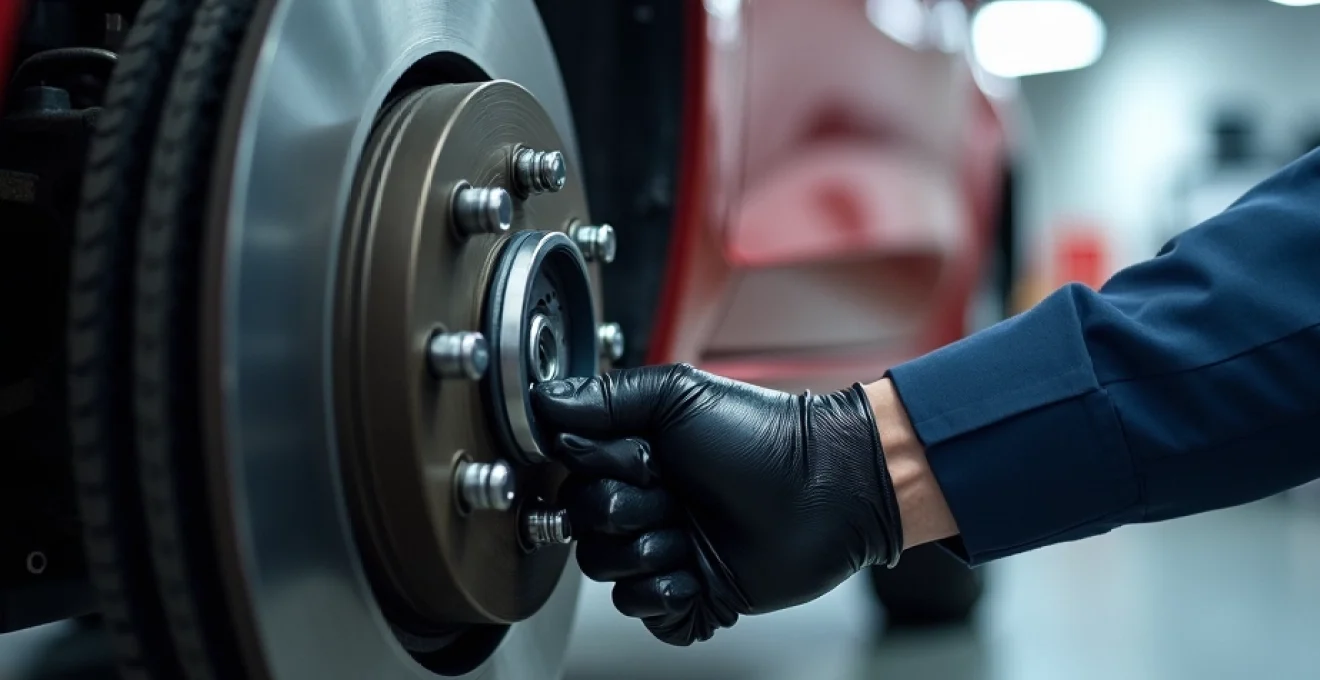
Brake noise represents one of the most concerning automotive issues that drivers encounter, often signalling potential safety hazards that require immediate attention. When you press the brake pedal and hear unusual sounds, your vehicle’s braking system is communicating critical information about its condition and performance. These auditory warnings can range from subtle squeaks to alarming grinding noises, each indicating different underlying problems that affect your ability to stop safely. Understanding the various causes of brake noise empowers you to take appropriate action before minor issues escalate into costly repairs or dangerous situations. Modern braking systems are sophisticated assemblies comprising multiple components that work in harmony to provide reliable stopping power, and when any element begins to fail, the resulting noise serves as an early warning system.
Brake pad wear indicators and squealing mechanisms
The most common source of brake noise originates from worn brake pads, which feature built-in warning systems designed to alert drivers when replacement becomes necessary. These sophisticated mechanisms ensure that you receive audible notification before your braking performance becomes compromised, preventing potentially dangerous situations on the road.
Metallic wear indicator tab contact with brake disc
Modern brake pads incorporate metallic wear indicator tabs that serve as acoustic warning devices when pad thickness reaches critical levels. These small metal strips are strategically positioned to make contact with the brake disc when approximately 2-3mm of friction material remains. The resulting high-pitched squealing noise occurs because the hardened steel indicator creates vibrations against the rotating disc surface, producing frequencies typically ranging between 1,000 and 3,000 Hz. This intentional noise generation serves as your vehicle’s way of communicating that immediate brake pad replacement is required to maintain safe stopping distances and prevent damage to other braking components.
Ceramic and Semi-Metallic pad material degradation patterns
Different brake pad materials exhibit distinct wear patterns and noise characteristics as they approach replacement intervals. Ceramic brake pads, known for their quiet operation and minimal dust production, typically develop a subtle grinding sensation rather than pronounced squealing when worn. Semi-metallic pads, containing iron, steel, and copper fibres, create more noticeable noise as metallic components become exposed through normal wear processes. The degradation pattern involves the gradual erosion of binding resins and friction modifiers, leaving behind increasingly metallic surfaces that generate characteristic scraping sounds. Understanding these material-specific behaviours helps you identify when your particular brake pad type requires attention.
Brake pad thickness gauge measurements and replacement thresholds
Professional brake pad assessment requires precise thickness measurements using specialised gauges or callipers to determine remaining service life. New brake pads typically measure between 10-12mm in thickness, with replacement recommended when thickness drops to 3mm or less. Many manufacturers specify minimum thickness values of 1.5-2mm, below which continued operation becomes unsafe and may damage brake discs. Regular thickness monitoring allows you to plan brake pad replacement proactively, avoiding emergency repairs and maintaining optimal braking performance. The measurement process involves removing wheels and using appropriate tools to assess pad thickness at multiple points, ensuring accurate evaluation of wear patterns.
High-frequency vibration analysis in worn friction materials
Worn brake pads generate complex vibration patterns that manifest as various noise types depending on the degree of material degradation. High-frequency vibrations, typically above 1,000 Hz, create the characteristic squealing associated with brake pad wear indicators. As friction material continues to deteriorate, vibration frequencies shift toward lower ranges, producing grinding or rumbling noises that indicate severe wear. Advanced diagnostic techniques involve frequency analysis to identify specific wear patterns and predict remaining service life. This scientific approach to brake noise analysis enables precise timing of maintenance interventions and helps prevent unexpected brake system failures.
Brake calliper and piston assembly malfunctions
Brake calliper assemblies represent critical components responsible for applying hydraulic pressure to brake pads, and their malfunction often produces distinct noise signatures that indicate specific mechanical problems. These precision-engineered devices must operate smoothly to ensure even pad contact and consistent braking performance across all wheels.
Seized calliper piston movement and hydraulic pressure loss
Calliper piston seizure creates grinding noises accompanied by reduced braking efficiency and uneven pad wear patterns. When pistons become stuck due to corrosion, contaminated brake fluid, or damaged seals, they fail to retract properly after brake application. This condition results in continuous pad contact with the brake disc, generating constant friction noise and excessive heat buildup. The affected wheel may exhibit dragging behaviour, causing the vehicle to pull to one side during braking operations. Early detection of seized pistons prevents complete calliper failure and reduces the risk of brake system overheating.
Brake calliper slide pin lubrication and corrosion issues
Calliper slide pins require proper lubrication to ensure smooth movement and prevent binding that leads to characteristic clicking or knocking noises. These pins allow the calliper to float freely, maintaining proper pad alignment with the brake disc surface. When lubrication deteriorates or corrosion develops, the pins become sticky or completely seized, preventing normal calliper operation. The resulting noise typically occurs during initial brake application and may be accompanied by uneven braking pressure distribution. Regular maintenance involving slide pin cleaning and relubrication prevents these issues and extends calliper service life significantly.
Uneven pad contact pressure distribution across disc surface
Calliper malfunctions often result in uneven pad contact pressure, creating noise patterns that vary depending on the specific nature of the problem. When one side of a calliper fails to apply consistent pressure, the brake pad may rock or shift during application, producing clicking or tapping sounds. This condition accelerates pad wear and may cause disc surface irregularities that amplify noise generation. Proper calliper function ensures uniform pressure distribution across the entire brake disc surface, minimising noise while maximising braking effectiveness and component longevity.
Brake fluid contamination effects on calliper operation
Contaminated brake fluid significantly impacts calliper piston operation, often producing unusual noises during brake application. Moisture absorption causes brake fluid to develop corrosive properties that damage internal calliper components, leading to rough piston movement and seal deterioration. Air bubbles in the brake fluid create spongy pedal feel and may cause chattering noises as pistons struggle to maintain consistent hydraulic pressure. The contamination process also introduces particulates that accelerate wear of precision-machined surfaces within the calliper assembly. Regular brake fluid replacement according to manufacturer specifications prevents contamination-related noise issues and maintains reliable braking performance.
Brake disc rotor surface irregularities and warpage
Brake disc rotors must maintain perfectly flat, smooth surfaces to provide quiet, efficient braking performance. When these critical components develop irregularities, warpage, or surface imperfections, they generate various noise types that indicate the need for professional assessment and potential replacement or machining services.
Disc thickness variation measurement using micrometer gauges
Professional brake disc assessment requires precise thickness variation measurements using micrometer gauges to identify warpage and wear patterns. Acceptable thickness variation typically ranges from 0.0005 to 0.002 inches, depending on vehicle specifications and disc design. Measurements must be taken at multiple points around the disc circumference to identify localised thickness variations that cause pedal pulsation and noise generation. When thickness variation exceeds manufacturer tolerances, the disc creates uneven contact with brake pads, resulting in vibration that manifests as juddering or rumbling noises. Systematic measurement techniques ensure accurate assessment and appropriate corrective action.
Lateral Run-Out assessment with dial indicator tools
Lateral run-out measurement determines whether brake discs wobble excessively during rotation, creating noise and vibration issues that affect braking comfort and effectiveness. Professional technicians use dial indicator tools mounted to measure lateral movement as the disc rotates, with acceptable run-out typically limited to 0.002-0.004 inches. Excessive lateral run-out causes brake pads to push away from the disc surface intermittently, creating clicking or knocking noises as pads make contact with the irregularly moving surface. This condition often develops due to improper installation, worn wheel bearings, or heat-induced warpage that distorts disc geometry.
Heat spot formation and thermal stress cracking patterns
Brake discs subjected to excessive heat develop localised hot spots that create noise through uneven friction characteristics and surface irregularities. These thermal stress areas typically appear as discoloured regions on the disc surface and may be accompanied by hairline cracks radiating outward from stress concentration points. Heat spots cause brake pads to grab inconsistently, producing grinding or chattering noises that intensify during heavy braking applications. The formation process involves repeated heating and cooling cycles that exceed the disc material’s thermal capacity, creating permanent metallurgical changes that affect friction properties. Prevention strategies include avoiding excessive braking loads and ensuring proper brake system cooling.
Machining versus replacement decision criteria for warped rotors
Determining whether warped brake discs require machining or complete replacement depends on several critical factors including remaining thickness, severity of warpage, and cost-effectiveness considerations. Machining becomes viable when discs retain sufficient thickness above minimum specifications after material removal to correct surface irregularities. The process involves removing a thin layer of material from both disc surfaces to restore flatness and eliminate noise-causing imperfections. However, discs approaching minimum thickness limits, showing extensive cracking, or exhibiting severe warpage may require complete replacement to ensure safe operation. Professional assessment considers long-term reliability and performance when recommending the most appropriate corrective action.
Brake system hydraulic component diagnostics
The hydraulic components within brake systems play crucial roles in noise generation when they begin to fail or operate outside normal parameters. These sophisticated assemblies include brake lines, hoses, proportioning valves, and ABS components that can produce distinctive sounds when malfunctioning. Understanding hydraulic system noise characteristics helps identify problems before they compromise braking safety and performance.
Brake fluid circulation through the hydraulic system creates minimal noise under normal operating conditions, but component failures often generate audible symptoms that indicate specific problems. Leaking brake lines or hoses may produce hissing sounds as pressurised fluid escapes, while air bubbles in the system create chattering or grinding noises during brake application. The hydraulic pressure required for effective braking typically ranges from 800 to 2,000 PSI, and any disruption to this pressure delivery system affects both performance and noise characteristics.
ABS systems introduce additional complexity to hydraulic noise diagnosis, as their normal operation includes pump activation and solenoid cycling that creates characteristic sounds during emergency braking situations. However, abnormal ABS noise may indicate failing pump motors, contaminated brake fluid affecting solenoid operation, or accumulator problems that compromise system pressure maintenance. Distinguishing between normal ABS operation sounds and genuine malfunction indicators requires understanding of system operation principles and typical noise patterns.
Proportioning valves, designed to balance braking force between front and rear wheels, can develop internal wear that affects fluid flow and creates unusual noises during brake application. These precision devices must maintain accurate pressure distribution to prevent premature component wear and ensure stable braking characteristics. When proportioning valves malfunction, drivers may notice grinding or clicking sounds accompanied by changes in brake pedal feel and vehicle stability during stopping manoeuvres.
Master cylinder and brake booster performance analysis
The master cylinder and brake booster assembly forms the heart of the hydraulic braking system, converting pedal input into the hydraulic pressure necessary for effective stopping power. When these components begin to fail, they often produce distinctive noises that indicate specific problems requiring immediate attention to maintain braking safety and reliability.
Master cylinder internal wear creates grinding or scraping noises as primary and secondary pistons move through cylinders with damaged surfaces or contaminated brake fluid. These precision-machined components must maintain perfect sealing to generate the hydraulic pressure required for brake operation, and any internal damage affects both performance and noise characteristics. The typical master cylinder generates pressures exceeding 1,000 PSI during normal braking operations, and maintaining this pressure requires pristine internal surfaces and effective seal integrity.
Brake booster assemblies, whether vacuum-operated or hydraulic-assist types, amplify the force applied to the brake pedal to reduce driver effort required for effective stopping. When vacuum boosters develop diaphragm leaks or check valve failures, they may produce hissing sounds during brake application or release. The vacuum assistance typically provides a 6:1 to 8:1 force multiplication ratio, and any reduction in assist capability increases pedal effort while potentially creating unusual operational noises.
Hydraulic brake boosters , found primarily in heavy-duty applications, use engine-driven pumps to provide power assistance and may develop noise issues related to pump wear, fluid contamination, or accumulator problems. These systems maintain constant hydraulic pressure in reserve accumulators, and pressure loss results in increased pedal effort and potential pump cycling noises during brake application. Regular inspection of booster operation ensures continued assistance effectiveness and helps identify developing problems before they affect braking safety.
Professional brake system diagnosis requires comprehensive understanding of hydraulic principles and component interactions to accurately identify noise sources and recommend appropriate corrective actions.
Professional brake noise elimination procedures and preventative maintenance
Eliminating brake noise requires systematic diagnostic approaches that identify root causes rather than merely addressing symptoms. Professional technicians employ comprehensive inspection procedures that evaluate all braking system components to determine the most effective corrective actions. These methodologies ensure long-lasting noise elimination while maintaining optimal braking performance and safety standards.
The diagnostic process begins with thorough visual inspection of brake components, including pads, discs, callipers, and hydraulic lines, to identify obvious wear patterns or damage. Professional-grade measurement tools assess component dimensions against manufacturer specifications, determining whether replacement, machining, or adjustment procedures are required. Road testing under controlled conditions helps isolate noise sources and evaluate braking system performance across various operating scenarios.
Preventative maintenance programmes significantly reduce brake noise occurrence by addressing potential problems before they develop into audible symptoms. Regular inspection intervals, typically every 12,000 to 15,000 miles, allow early detection of wear patterns and component degradation that lead to noise generation. Proactive maintenance includes brake fluid replacement, calliper slide pin lubrication, and disc surface assessment to maintain optimal system operation.
Professional brake noise elimination often involves component replacement using premium materials designed for quiet operation. High-quality brake pads with advanced friction formulations, precision-machined discs with proper surface finishes, and properly maintained calliper assemblies work together to minimise noise generation. Installation procedures must follow manufacturer specifications precisely, including proper torque values, surface preparation, and break-in procedures that ensure optimal performance from new components.
Successful brake noise elimination requires addressing all contributing factors simultaneously rather than focusing on individual components in isolation.
Advanced noise elimination techniques include the application of specialised brake quiet compounds, installation of vibration-dampening shims, and calliper modifications that reduce resonance frequency generation. These professional-grade solutions address the physics of brake noise generation by controlling vibration transmission and modifying friction characteristics. However, these techniques require expert application and understanding of brake system dynamics to ensure continued safety and effectiveness.
Long-term noise prevention strategies focus on driver education regarding proper braking techniques that minimise component stress and extend service life. Avoiding excessive braking loads, allowing adequate cooling time between heavy braking applications, and maintaining consistent brake fluid change intervals all contribute to reduced noise generation over the vehicle’s operational life. Quality replacement parts, professional installation procedures, and regular maintenance inspections form the foundation of effective brake noise prevention programmes that ensure both quiet operation and reliable stopping performance.