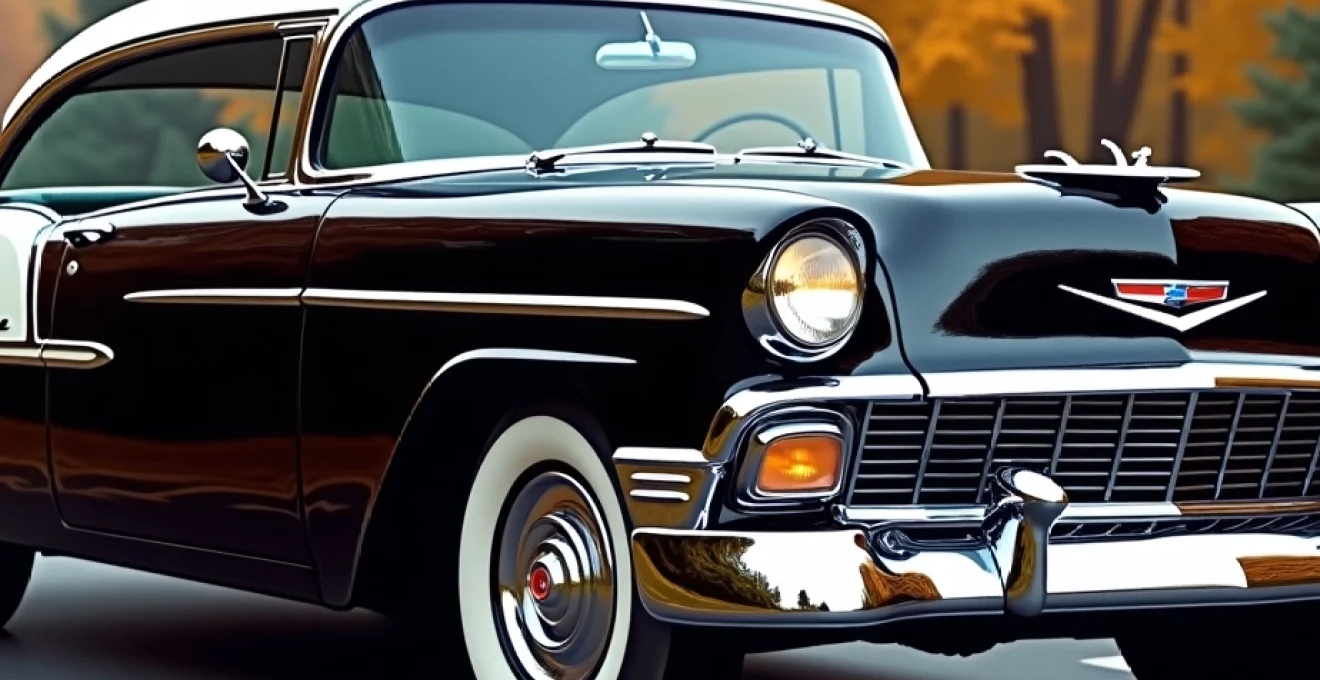
The 1955 Chevrolet Bel Air stands as one of the most transformative automobiles in American automotive history, marking a pivotal moment when Chevrolet shed its conservative image and embraced bold, contemporary design. This revolutionary model year introduced the legendary small-block V8 engine that would become the foundation of American performance culture for decades to come. With its striking new styling, advanced engineering, and accessible pricing, the ’55 Bel Air captured the optimism of post-war America and established Chevrolet as a serious competitor to Ford’s dominance in the marketplace.
For today’s collectors and enthusiasts, the 1955 Bel Air represents more than just vintage transportation—it’s a tangible piece of American cultural heritage that continues to appreciate in value while delivering an authentic driving experience from the golden age of motoring. Understanding the nuances between different trim levels, engine configurations, and body styles becomes crucial when evaluating potential purchases in today’s competitive classic car market.
1955 chevrolet bel air model variants and production numbers
Chevrolet’s 1955 model year marked a complete redesign that resulted in dramatically improved sales figures and established the foundation for the celebrated “Tri-Five” era. Total production for 1955 reached an impressive 1,830,038 units across all Chevrolet models, representing a substantial increase over the previous year’s output. The Bel Air series, positioned as Chevrolet’s premium offering, accounted for approximately 40% of total production, making it both desirable and relatively accessible to middle-class American families.
Two-ten series vs bel air trim level distinctions
The distinction between the Two-Ten and Bel Air series extends far beyond simple nomenclature, representing significant differences in equipment levels, styling details, and overall market positioning. Bel Air models featured distinctive chrome side spears extending from the front wheel wells to the rear quarters, creating an elegant visual flow that became instantly recognisable. The interior appointments included upgraded upholstery materials, with vinyl and cloth combinations that provided both durability and aesthetic appeal compared to the more utilitarian Two-Ten trim.
Chrome brightwork distinguished Bel Air models through additional window surrounds, door handle accents, and body-side mouldings that reflected light beautifully and enhanced the car’s premium appearance. The Bel Air also received upgraded dashboard trim with more sophisticated gauge clusters and control layouts that emphasised the model’s upmarket positioning within Chevrolet’s hierarchy.
Hardtop sport coupe vs convertible body style specifications
The Sport Coupe hardtop represented the pinnacle of 1955 styling sophistication, featuring a pillarless design when windows were lowered that created an airy, open cabin atmosphere. Production numbers for the Bel Air Sport Coupe totalled 185,562 units, making it relatively common yet highly desirable among collectors today. The hardtop’s structural rigidity came from reinforced door frames and additional bracing in the floor pan, compensating for the absence of a traditional B-pillar design.
Convertible production was significantly more limited, with only 41,292 Bel Air convertibles manufactured during 1955. These models featured power-operated soft tops as standard equipment, along with additional chassis reinforcement to maintain structural integrity. The convertible’s rarity and open-air driving experience make it one of the most sought-after variants in today’s collector market, often commanding premium prices that reflect their scarcity and desirability.
Sedan and station wagon configuration differences
Four-door sedan production dominated 1955 Bel Air output with 345,372 units manufactured, reflecting the practical needs of American families during the prosperous mid-1950s. These models offered generous passenger space and luggage capacity while maintaining the series’ distinctive styling cues and premium appointments. The sedan’s conventional three-box design provided excellent structural rigidity and weather protection, making it an ideal choice for daily transportation duties.
Station wagon variants included both two-door and four-door configurations, with the four-door Townsman wagon producing 24,313 units during 1955. These models featured distinctive rear-facing third seats that increased passenger capacity to eight, along with substantial cargo areas that made them particularly appealing to larger families. The wagon’s unique tailgate design incorporated both horizontal and vertical opening modes, providing versatility for different loading requirements.
Limited edition nomad wagon production analysis
The Nomad represents the most exclusive and collectible 1955 Chevrolet variant, with production limited to just 8,386 units during its debut year. This two-door sport wagon combined the Bel Air’s premium styling with innovative design elements inspired by Chevrolet’s Corvette sports car. The Nomad’s distinctive rear pillar treatment, wraparound rear glass, and unique side windows created a sophisticated profile that differed dramatically from conventional station wagons.
The Nomad’s exceptional rarity and groundbreaking design philosophy established it as one of the most significant automotive designs of the 1950s, influencing wagon aesthetics for decades to come.
Small block V8 265 cubic inch engine assessment
The introduction of Chevrolet’s 265 cubic inch small-block V8 engine revolutionised the brand’s performance credentials and established the architectural foundation for one of the most successful engine families in automotive history. This overhead valve design weighed approximately 40 pounds less than Ford’s contemporary flathead V8 while producing significantly more power and torque. The engine’s compact dimensions allowed for improved weight distribution and handling characteristics compared to Chevrolet’s aging inline-six powerplant.
Engineering innovations included hydraulic valve lifters, a deep-skirt block design for enhanced rigidity, and efficient combustion chamber geometry that promoted complete fuel burning. The 265’s bore and stroke dimensions of 3.750 inches and 3.000 inches respectively created an oversquare configuration that favoured higher-rpm operation while maintaining excellent low-end torque delivery. This combination proved particularly effective for both daily driving and performance applications, establishing the small-block’s reputation for versatility.
Power pack option vs standard 162 horsepower configuration
The base 265 V8 configuration produced 162 horsepower at 4,400 rpm and 257 pound-feet of torque at 2,200 rpm, representing a substantial improvement over the 115-horsepower “Blue Flame” inline-six it was designed to replace. This standard engine featured a two-barrel Rochester carburetor, cast-iron intake manifold, and modest 8.0:1 compression ratio that allowed operation on regular-grade petrol while delivering smooth, reliable performance for typical driving conditions.
The optional Power Pack upgrade increased output to 180 horsepower at 4,600 rpm through several key modifications that enhanced the engine’s breathing and combustion efficiency. Higher 8.5:1 compression ratio, achieved through redesigned pistons and combustion chambers, improved thermal efficiency and power output. The Power Pack also included a more aggressive camshaft profile that increased valve lift and duration, optimising airflow for higher-rpm operation.
Carter WCFB Four-Barrel carburettor performance metrics
The Power Pack option centred around the sophisticated Carter WCFB four-barrel carburettor, a technological marvel that provided progressive fuel delivery based on throttle opening and engine load conditions. This carburettor featured dual primary barrels for normal driving conditions and secondary barrels that opened progressively under acceleration, ensuring optimal fuel mixture across the entire operating range. The WCFB’s advanced metering systems included accelerator pumps, power valves, and idle circuits that maintained consistent performance under varying atmospheric conditions.
Installation of the four-barrel carburettor required a corresponding cast-iron intake manifold specifically designed for this application, featuring longer, more uniform runner lengths that promoted better cylinder-to-cylinder distribution. The intake manifold’s plenum volume was carefully calculated to maintain good throttle response while providing adequate fuel-air mixing for all eight cylinders under diverse operating conditions.
Powerglide automatic transmission integration
Chevrolet’s two-speed Powerglide automatic transmission represented advanced technology for 1955, offering smooth, reliable operation that appealed to customers seeking convenience and ease of operation. The Powerglide’s simple planetary gear design featured fewer moving parts than competing three-speed automatics, resulting in improved reliability and lower maintenance requirements. The transmission’s torque converter multiplication provided excellent launching ability from standstill, while the direct-drive high range delivered efficient highway cruising.
Integration with the 265 V8 required specific calibration of the transmission’s hydraulic control system to accommodate the engine’s torque characteristics and power delivery. The Powerglide’s shift points were carefully matched to the V8’s power curve, ensuring smooth, timely gear changes that maximised both performance and fuel economy. Optional transmission cooling systems became available for customers planning sustained high-speed driving or trailer towing applications.
Blue flame Inline-Six alternative engine evaluation
The carryover “Blue Flame” inline-six remained available as the standard engine in lower trim levels, producing 123 horsepower from its 235.5 cubic inch displacement. This overhead valve design had served Chevrolet well throughout the early 1950s, offering reliable operation and reasonable fuel economy for budget-conscious buyers. The inline-six’s simple construction and proven durability made it an attractive option for fleet buyers and customers prioritising operating costs over performance.
However, the six-cylinder engine’s modest power output and agricultural character seemed increasingly outdated when compared to the smooth, powerful V8 alternative. The inline-six’s peak torque delivery occurred at relatively low engine speeds, making it suitable for steady-state cruising but less responsive during acceleration or climbing grades. For today’s collectors, six-cylinder 1955 Bel Airs represent affordable entry points into Tri-Five ownership, though V8 models command significantly higher market values and collector interest.
Chassis construction and suspension components
The 1955 Chevrolet chassis represented a complete departure from previous designs, incorporating modern engineering principles that dramatically improved ride quality, handling precision, and structural integrity. The new X-frame construction utilised high-strength steel members arranged in a cross-brace pattern that provided exceptional torsional rigidity while reducing overall weight compared to traditional ladder-frame designs. This innovative approach allowed engineers to lower the car’s centre of gravity, contributing to improved stability and handling characteristics that buyers immediately noticed.
Front suspension employed an independent design featuring unequal-length control arms, coil springs, and telescopic shock absorbers that provided a comfortable ride while maintaining reasonable handling precision. The system’s geometry was carefully calculated to minimise camber changes during suspension travel, ensuring consistent tyre contact patches and predictable steering responses. Anti-roll bars were available as optional equipment, further enhancing cornering stability for performance-oriented drivers.
Rear suspension utilised a conventional live axle design supported by semi-elliptic leaf springs and telescopic shock absorbers, a proven configuration that provided excellent load-carrying capacity and durability. The rear axle assembly featured hypoid gears that positioned the driveshaft below the axle centreline, allowing for a lower floor pan and improved passenger compartment packaging. Standard rear axle ratios were carefully selected to balance acceleration performance with fuel economy, while optional gear sets catered to specific customer requirements.
Steering systems included manual recirculating ball designs as standard equipment, with power assistance available as an optional upgrade that significantly reduced steering effort at parking speeds. The power steering system utilised engine-driven hydraulic assistance that provided excellent road feel while eliminating the fatigue associated with manual steering in heavier vehicles. Brake systems featured conventional drum designs at all four corners, with vacuum assist available to reduce pedal effort and improve stopping consistency.
Interior trim codes and upholstery material authentication
Understanding 1955 Bel Air interior trim codes becomes essential when evaluating originality and authenticity in potential purchases, as these details significantly impact collector value and restoration accuracy. Chevrolet utilised a systematic coding approach that designated specific colour combinations, material types, and pattern designs for different trim levels and model variants. The trim tag, typically located on the firewall or door jamb, contains critical information including paint codes, interior specifications, and production details that experienced collectors use to verify authenticity.
Bel Air models featured premium interior appointments that distinguished them from lesser Two-Ten variants through upgraded materials, enhanced comfort features, and sophisticated colour coordination. Seat upholstery typically combined vinyl bolsters with cloth or vinyl inserts, depending on the specific trim code and customer preferences. Popular colour combinations included two-tone schemes that complemented exterior paint selections, creating cohesive design themes that reflected 1950s styling sensibilities.
Door panels in Bel Air models incorporated colour-matched vinyl or cloth sections with chrome accents and armrests that provided both aesthetic appeal and functional comfort. The dashboard featured painted metal surfaces with chrome trim pieces that surrounded gauge clusters, control knobs, and ventilation outlets. Headliners utilised cloth materials suspended from wire frames, with patterns and colours selected to harmonise with seat upholstery and door panel treatments.
Carpet materials included loop-pile designs in various colours that coordinated with overall interior schemes, though many original cars featured rubber floor mats as standard equipment with carpeting available as optional upgrades. Steering wheels featured horn rings with distinctive Chevrolet bowtie emblems, while gear selectors incorporated chrome and plastic elements that reflected contemporary design trends. Today’s collectors should verify these details against original specifications to ensure authenticity and proper restoration approaches.
Original interior components in good condition significantly enhance a 1955 Bel Air’s collector value, as restoration costs for period-correct upholstery and trim pieces can easily exceed several thousand pounds.
Exterior paint codes and chrome trim condition evaluation
Paint code identification represents a critical aspect of 1955 Bel Air evaluation, as original colour accuracy directly impacts authenticity and collector appeal. Chevrolet offered an extensive palette of single and two-tone combinations that reflected contemporary styling trends and customer preferences. Popular single colours included India Ivory, Onyx Black, and Harvest Gold, while two-tone combinations often paired these with contrasting hues like Coral and Cream or Gypsy Red and Shoreline Beige. The paint code information appears on the cowl tag and provides definitive identification of original colour specifications.
Chrome trim condition requires careful assessment, as restoration or replacement of these components represents significant expense in any 1955 Bel Air project. Front and rear bumpers, side spears, window trim, and grille components should exhibit consistent finish quality with minimal pitting, corrosion, or impact damage. Original chrome typically displays a deeper, more lustrous finish compared to modern reproductions, though wear patterns and age-related deterioration are expected in survivor cars. Professional re-chroming services can restore damaged pieces, but costs often range from hundreds to thousands of pounds depending on component complexity.
Body panel alignment and fit deserve particular attention, as accident damage or improper repairs can significantly impact structural integrity and aesthetic appeal. Door gaps should be consistent and uniform, while panels should align properly without evidence of body filler or repair welding. Rust-through in critical areas like floor pans, door frames, and rear quarter panels can require extensive metalwork that substantially increases restoration costs and complexity.
Glass condition includes both functional and aesthetic considerations, as original tinted glass carries premium value among purist collectors. Windshields should be free from chips, cracks, or delamination that could compromise safety or authenticity. Side and rear glass should retain original tinting and manufacturer markings where applicable, though reproduction pieces are available for damaged components. Weatherstrip condition around windows and doors affects both appearance and water-tightness, with original rubber often requiring replacement due to age-related deterioration.
Market valuation factors and investment potential analysis
Current market valuations for 1955 Chevrolet Bel Airs reflect strong collector demand and limited supply of quality examples, with prices varying dramatically based on condition, authenticity, and specific model variant. Concours-quality Sport Coupe examples with matching numbers V8 engines command £35,000 to £50,000 or more, while convertibles in similar condition often exceed £60,000 due to their exceptional rarity. Four-door sedans and wagons typically trade for 30-40% less than their two-door counterparts, though exceptional examples still command substantial premiums over their original purchase prices.
The iconic Nomad variant represents the pinnacle of 1955 Chevrolet collectibility, with pristine examples commanding six-figure sums at prestigious auctions. These cars’ combination of revolutionary styling, limited production numbers, and historical significance creates intense competition among serious collectors. However, project-grade Nomads still require significant investment for proper restoration, often totalling £30,000 to £50,000 or more depending on the starting condition and desired finish quality.
Investment potential for 1
955 Bel Airs demonstrates strong fundamentals supported by several key market factors. The cars’ association with American automotive history, combined with their role in establishing Chevrolet’s performance credentials, creates enduring appeal that transcends typical collector car cycles. Additionally, the availability of reproduction parts and restoration services ensures that well-maintained examples can continue appreciating while remaining driveable and enjoyable.
Market trends indicate steady appreciation for quality 1955 Bel Airs over the past decade, with annual increases typically outpacing inflation and many traditional investment vehicles. The car’s broad appeal spans multiple collector demographics, from baby boomers who remember them new to younger enthusiasts attracted by their iconic styling and V8 performance capabilities. This cross-generational interest provides market stability and suggests continued demand for the foreseeable future.
Factors that negatively impact investment potential include the availability of numerous reproduction body panels and trim pieces, which can make distinguishing authentic survivor cars from comprehensively restored examples challenging. Additionally, the relatively high production numbers mean that 1955 Bel Airs, while desirable, lack the extreme scarcity that drives the highest collector car valuations. Potential investors should focus on documented, original examples with matching numbers drivetrains and comprehensive maintenance records.
Regional market variations reflect local collector preferences and economic conditions, with convertible models commanding premiums in temperate climates where open-air driving seasons are extended. Similarly, areas with strong hot rod cultures often show increased demand for project-grade cars suitable for customisation, while concours-oriented regions emphasise originality and documentation. Professional appraisals become essential when considering significant purchases, as expert evaluation can identify subtle details that substantially impact value.
Successful 1955 Bel Air investment requires patience, mechanical knowledge, and thorough market research, as the difference between a sound investment and an expensive restoration project often hinges on details invisible to casual observers.
The classic car market’s increasing sophistication means that provenance, documentation, and authenticity carry greater weight than ever before in determining values. Cars with known histories, original ownership documents, and period accessories command significant premiums over similar examples lacking such documentation. Furthermore, the growing emphasis on matching numbers components means that cars retaining their original engines, transmissions, and rear axles maintain stronger investment potential than those with replacement powertrains, regardless of overall condition.
Insurance and storage considerations add ongoing costs that potential owners must factor into their investment calculations. Agreed-value classic car insurance typically costs 1-2% of the car’s appraised value annually, while climate-controlled storage can range from £100-300 monthly depending on location and facility quality. These expenses, combined with periodic maintenance requirements, mean that 1955 Bel Air ownership involves ongoing financial commitments beyond the initial purchase price.