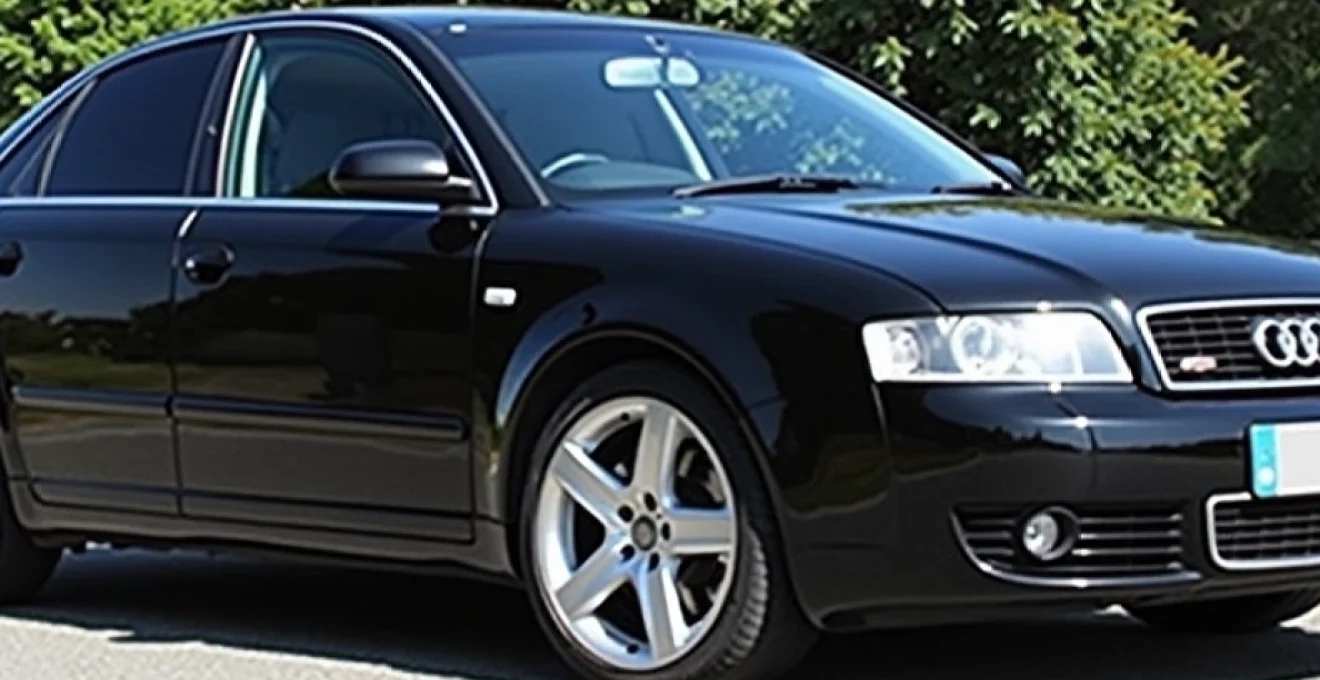
The 2004 Audi S4 represents a pivotal moment in German performance car history, marking the transition from turbocharged complexity to naturally aspirated V8 simplicity. This B6 generation model introduced Audi’s legendary 4.2-litre V8 engine to the compact executive segment, delivering 339 bhp through quattro all-wheel drive in an understated yet sophisticated package. For enthusiasts seeking authentic V8 character without the stratospheric pricing of contemporary RS models, the 2004 S4 presents an increasingly compelling proposition. Understanding the critical inspection points, maintenance requirements, and inherent characteristics of this model becomes essential for making an informed purchase decision in today’s evolving classic car market.
B7 generation S4 engine specifications and performance analysis
4.2-litre V8 FSI engine architecture and power output
The heart of the 2004 S4 lies in its magnificent 4.2-litre naturally aspirated V8 engine, designated as the BHF unit in Audi’s internal coding system. This all-aluminium powerplant produces 339 bhp at 7,000 rpm and 302 lb-ft of torque at 3,500 rpm, figures that were genuinely impressive for a naturally aspirated engine in 2004. The engine features a sophisticated five-valve-per-cylinder design, utilising variable valve timing on both intake and exhaust camshafts to optimise power delivery across the rev range.
Unlike the preceding B5 generation’s twin-turbocharged 2.7-litre V6, this V8 delivers power in a markedly different manner. The torque curve builds progressively, requiring higher revs to access peak performance, but rewards enthusiastic driving with an intoxicating soundtrack that modern turbocharged engines simply cannot replicate. The compression ratio of 12.5:1 demands premium fuel, whilst the sophisticated engine management system incorporates knock sensing and adaptive timing control to maximise performance whilst protecting internal components.
Quattro All-Wheel drive system integration
The 2004 S4 employs Audi’s acclaimed quattro permanent all-wheel drive system, featuring a Torsen centre differential that distributes torque between front and rear axles under normal driving conditions at a 50:50 split. This mechanical system responds instantaneously to traction variations, transferring up to 65% of available torque to either axle as conditions demand. The rear differential incorporates an electronic differential lock (EDL) that uses selective brake application to control wheel spin and improve traction during aggressive cornering or slippery conditions.
This drivetrain configuration contributes significantly to the S4’s all-weather capability and high-speed stability. The system’s mechanical nature means it operates without electronic intervention under most circumstances, providing predictable handling characteristics that experienced drivers can exploit effectively. However, the inherent understeer bias of the quattro system means that achieving dramatic oversteer requires specific techniques and considerable provocation.
Six-speed tiptronic transmission characteristics
Whilst the 2004 S4 was available with a six-speed manual transmission as standard equipment, many UK market cars were specified with the optional ZF six-speed Tiptronic automatic gearbox. This torque converter automatic features manual override via steering wheel-mounted paddles or the gear selector, allowing drivers to maintain control over gear selection when desired. The transmission’s programming prioritises smooth operation over aggressive shift characteristics, making it particularly suitable for long-distance touring.
The Tiptronic transmission proves especially well-matched to the V8’s torque delivery characteristics, as the engine’s substantial low-end grunt masks any lag inherent in the torque converter design. In automatic mode, the transmission demonstrates reasonable intelligence in reading driving situations, downshifting appropriately under braking and holding gears longer during spirited driving. However, enthusiasts seeking maximum engagement with the driving experience typically prefer the manual gearbox option for its more direct connection to the engine’s capabilities.
Carbon fibre airbox and intake manifold design
The 2004 S4’s intake system represents a sophisticated approach to airflow management, featuring a large carbon fibre airbox that serves both functional and aesthetic purposes. This lightweight component houses a substantial panel air filter and connects to a complex intake manifold system designed to optimise airflow across the rev range. The manifold incorporates variable-length runner technology, effectively tuning the intake tract for different engine speeds to maximise both low-end torque and high-rpm power output.
The carbon fibre construction of the airbox demonstrates Audi’s attention to weight reduction and premium materials usage throughout the S4’s design. However, this component can prove problematic over time, as the carbon fibre construction may develop stress cracks or delamination, particularly around mounting points. Regular inspection of the airbox and its connections becomes essential for maintaining optimal engine performance and preventing potential intake leaks that could affect fuel mixture and engine operation.
Critical Pre-Purchase inspection points for 2004 S4 models
Timing chain tensioner failure symptoms and detection
The most significant reliability concern affecting 2004 S4 models involves the plastic timing chain tensioner guides, which represent the model’s primary mechanical vulnerability. These components typically begin showing signs of wear around 80,000-100,000 miles, though some examples may experience issues earlier depending on maintenance history and driving patterns. The initial symptom manifests as a brief rattling sound during cold start-up, lasting 1-3 seconds as oil pressure builds and the tensioners engage properly.
However, when the rattling extends beyond this brief initial period or becomes audible during normal engine operation, immediate attention becomes necessary. Progressive deterioration of the plastic guides can result in timing chain slack, potentially leading to valve timing issues, misfires, and in extreme cases, catastrophic engine damage if the chain jumps teeth. Professional diagnosis typically involves listening for specific rattling characteristics and may include borescope inspection of the timing chain area.
The timing chain issue, whilst serious, affects a minority of well-maintained examples, and many S4s continue operating reliably well beyond 150,000 miles with original timing components.
Carbon build-up assessment on FSI direct injection system
The 2004 S4’s FSI (Fuel Stratified Injection) direct injection system, whilst advanced for its era, suffers from carbon build-up on intake valves over time. Unlike port injection systems where fuel washing helps clean valve surfaces, direct injection systems spray fuel directly into combustion chambers, leaving intake valves vulnerable to carbon accumulation from crankcase vapours. This issue typically manifests after 60,000-80,000 miles through rough idling, reduced power output, and occasionally, engine knock under load.
Assessment of carbon build-up severity requires specialised equipment or borescope inspection through spark plug holes or intake ports. Some experienced technicians can identify significant build-up through careful analysis of fuel trim data and engine performance characteristics. Preventive measures include regular use of premium fuel, periodic Italian tune-ups (high-rpm driving sessions), and consideration of periodic professional cleaning services using walnut shell blasting or chemical treatments.
Differential and torsen centre coupling wear patterns
The Torsen centre differential represents a robust mechanical component, but extended high-mileage operation or abuse can result in wear patterns affecting its torque distribution characteristics. Symptoms of centre differential wear include unusual driveline vibrations, particularly during tight cornering manoeuvres, or inconsistent traction distribution between front and rear axles. The rear differential, incorporating electronic locking functionality, may develop issues with the actuating mechanism or experience wear in the differential gears themselves.
Inspection procedures should include test driving the vehicle through various scenarios, including tight car park manoeuvres, steady-state cornering, and acceleration from rest on different surface types. Any unusual noises, vibrations, or handling characteristics warrant further investigation by specialists familiar with quattro drivetrain systems. Differential oil condition and service history provide valuable insights into component health and previous maintenance standards.
DRC suspension component integrity evaluation
The 2004 S4’s suspension system utilises a multi-link rear arrangement and MacPherson strut front configuration, incorporating numerous bushings, ball joints, and control arms that experience wear over time. Particular attention should focus on the lower control arm bushings, which commonly develop excessive play around 70,000-90,000 miles, manifesting as imprecise steering feel, road noise transmission, or knocking sounds over road irregularities.
The rear suspension’s complex geometry incorporates multiple links and adjustment points, making thorough inspection essential for identifying worn components. Common failure points include rear upper control arm bushings, anti-roll bar drop links, and shock absorber mounting points. Professional inspection typically involves lifting the vehicle and systematically checking each suspension component for excessive play, visual damage, or signs of oil leakage from dampers.
Secondary air injection system fault diagnosis
The secondary air injection system, designed to reduce emissions during cold start periods, represents another potential source of diagnostic trouble codes and operational issues. This system pumps fresh air into the exhaust ports during engine warm-up to promote complete combustion of unburnt hydrocarbons. Common failure points include the air pump motor, associated vacuum lines, and the combi-valve that directs airflow to appropriate exhaust ports.
System malfunctions typically trigger engine management warning lights and may cause rough running during the first few minutes of operation. Diagnosis requires specialised diagnostic equipment capable of monitoring system operation and identifying specific component failures. Whilst not immediately critical to basic engine operation, secondary air injection system faults must be addressed for proper emissions compliance and optimal cold-start performance.
Known reliability issues and maintenance cost projections
Chain tensioner replacement labour and parts pricing
Timing chain tensioner replacement represents the most significant potential maintenance expense for 2004 S4 ownership, with costs ranging from £2,500-£4,000 depending on labour rates and component specifications. The procedure requires complete engine removal to access timing chain components, significantly increasing labour time compared to many other automotive repairs. Parts costs typically account for £800-£1,200 of the total expense, with labour representing the majority of the overall bill.
However, this major service interval provides opportunities for additional preventive maintenance, including replacement of engine mounts, auxiliary drive belts, coolant hoses, and other components accessible during engine removal. Many specialists recommend combining timing chain service with clutch replacement (manual transmission cars) or transmission service (automatic cars) to maximise labour efficiency and reduce future maintenance requirements.
Thermostat housing leak frequency and repair costs
The plastic thermostat housing assembly commonly develops coolant leaks around 80,000-120,000 miles, representing a moderate but predictable maintenance requirement. This component’s failure typically manifests as coolant loss, overheating episodes, or visible coolant staining in the engine bay. Replacement costs generally range from £400-£700 including labour, making it a manageable maintenance item compared to major engine work.
Prevention involves monitoring coolant levels regularly and addressing any cooling system leaks promptly to prevent overheating damage. The thermostat housing replacement procedure also provides opportunities to service other cooling system components, including radiator hoses, coolant expansion tank, and water pump assessment. Many specialists recommend comprehensive cooling system service when addressing thermostat housing issues to ensure long-term reliability.
Control arm bushings and suspension component lifespan
Suspension component replacement represents an ongoing maintenance consideration for 2004 S4 ownership, with control arm bushings typically requiring attention every 60,000-100,000 miles depending on driving conditions and usage patterns. Front lower control arm bushings commonly develop excessive play first, followed by rear upper control arms and anti-roll bar connections. Individual component replacement costs range from £150-£400 per corner, though comprehensive suspension refresh programmes can reduce per-component costs.
The multi-link rear suspension’s complexity means that thorough inspection and systematic replacement of worn components produces the best results for handling precision and ride quality. Many enthusiasts choose to upgrade to performance-oriented bushings or complete suspension packages during major service intervals, combining maintenance requirements with handling improvements.
Brake system upgrade requirements and performance pads
The standard brake system, whilst adequate for normal driving, may require upgrades for enthusiastic use or track driving applications. Brake disc warping can occur under severe use, particularly with original equipment discs that may not provide optimal heat dissipation characteristics. Replacement disc and pad combinations range from £300-£800 per axle, depending on specification and performance requirements.
Performance brake pad compounds offer improved stopping power and resistance to fade but may increase dust production and noise levels during normal driving. Many owners find that high-quality OEM replacement components provide the best balance of performance, longevity, and daily usability without requiring expensive big brake kit installations.
Market valuation factors and pricing analysis
Current market values for 2004 S4 models reflect the growing appreciation for naturally aspirated V8 engines and the model’s position as an accessible entry point into serious Audi performance. Examples in good condition with comprehensive service histories typically command £8,000-£15,000, with exceptional low-mileage or recently restored vehicles reaching £18,000-£22,000. The market demonstrates clear preference for manual transmission models, which typically command £1,000-£2,000 premiums over equivalent automatic examples.
Mileage significantly impacts valuation, with sub-100,000-mile examples carrying substantial premiums over higher-mileage alternatives. However, well-maintained higher-mileage vehicles often represent better value propositions, particularly when major service items like timing chains have been addressed recently. Service history documentation proves crucial for establishing value, with comprehensive specialist maintenance records adding significant worth compared to incomplete or generic service documentation.
Colour choice affects marketability, with traditional colours like Imola Yellow, Nogaro Blue, and Avus Silver commanding premiums over more common shades. Estate (Avant) variants typically trade at slight discounts to saloon models, though their practical advantages make them attractive to specific buyer segments. Cabriolet versions occupy a niche market position with values influenced heavily by roof condition and operation.
The timing chain issue’s reputation has created market opportunities for informed buyers willing to address known issues proactively. Vehicles with recent timing chain service often represent excellent value, as they’ve effectively received a £3,000+ mechanical refresh that extends their reliable service life considerably. Conversely, high-mileage examples without recent timing chain attention should be priced to reflect the potential need for this major service.
Performance modifications and aftermarket enhancement options
The naturally aspirated V8 engine responds positively to carefully selected modifications, though power gains prove more modest than those achievable with turbocharged alternatives. ECU remapping typically yields 15-25 bhp increases whilst improving throttle response and optimising fuel mapping for premium fuel. Combined with intake and exhaust modifications, total power gains of 30-40 bhp represent realistic expectations without internal engine modifications.
Exhaust system upgrades provide the most noticeable improvement in character, allowing the V8’s natural acoustics to express themselves more fully. Quality aftermarket systems from manufacturers like Milltek, Supersprint, or custom fabrication specialists can transform the driving experience whilst maintaining reasonable noise levels for daily use. Cat-back systems typically cost £800-£1,500, whilst complete exhaust replacements including high-flow catalysts range from £1,500-£2,500.
Suspension modifications offer significant handling improvements, addressing the model’s tendency towards understeer whilst improving overall chassis balance. Coilover kits from established manufacturers provide adjustability for ride height and damping characteristics, typically costing £1,000-£2,500 depending on specification. Anti-roll bar upgrades, particularly rear bars from RS4 applications, provide cost-effective handling improvements for £300-£600.
Brake system upgrades become essential for track use or aggressive driving, with big brake kits from Brembo, AP Racing, or other specialists providing dramatically improved stopping power and fade resistance. Complete big brake conversions typically cost £2,000-£4,000 but transform the vehicle’s high-speed capability and driver confidence during spirited driving.
Ownership experience comparison against contemporary BMW M3 E46 and mercedes C55 AMG
Against its primary rivals, the 2004 S4 occupies a unique position emphasising refinement and all-weather capability over pure sporting prowess. The BMW E46 M3 provides sharper handling dynamics and more engaging rear-wheel-drive characteristics but lacks the S4’s weather versatility and long-distance comfort. The M3’s higher maintenance costs, particularly for VANOS system service and rod bearing replacement, often exceed S4 ownership expenses even accounting for potential timing chain work.
The Mercedes C55 AMG delivers superior straight-line performance with
its 5.4-second 0-60mph acceleration from a naturally aspirated 5.4-litre V8 producing 367bhp. However, the C55’s air suspension system proves problematic over time, whilst its complex SBC brake-by-wire system requires expensive maintenance that can exceed £3,000 for major repairs. The Mercedes also lacks the quattro system’s all-weather traction advantages, limiting its usability in adverse conditions.
The S4’s interior quality and build construction generally surpasses both rivals, with Audi’s attention to material selection and assembly tolerances evident throughout the cabin. Whilst the BMW offers more engaging dynamics and the Mercedes provides superior straight-line performance, the S4 delivers the most complete package for year-round use. Its naturally aspirated engine provides character increasingly absent from modern turbocharged alternatives, whilst maintenance costs remain manageable compared to the complex systems found in its German competitors.
Long-term ownership satisfaction typically favours the S4 among drivers prioritising refinement and reliability over ultimate sporting capability. The model’s understated appearance allows discreet high-performance transport, whilst the quattro system’s mechanical simplicity provides confidence in varying weather conditions. For buyers seeking a balance between performance, practicality, and long-term dependability, the 2004 S4 often proves the most satisfying choice among its contemporary rivals.
Insurance costs generally favour the S4 compared to the more overtly sporting M3, though all three models command premium rates reflecting their performance capabilities. Parts availability remains excellent for all three vehicles, though Audi’s network often provides more competitive pricing for routine maintenance items. The S4’s position as a volume model within Audi’s range ensures continued parts support and specialist knowledge availability for the foreseeable future.