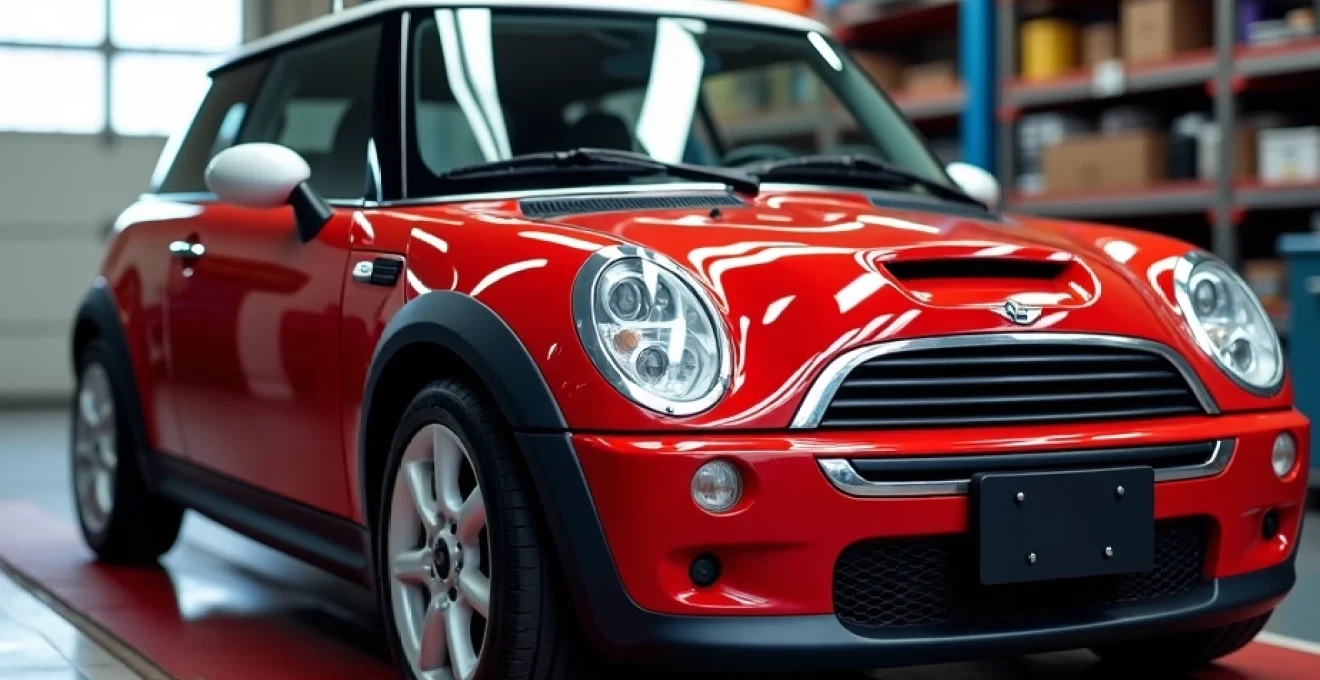
The 2004 Mini Cooper S R53 represents a pivotal moment in automotive history, bridging the gap between BMW’s initial launch of the reimagined Mini and the refined facelift models that followed. This particular year sits at the cusp of significant improvements, making it both desirable and potentially problematic for prospective buyers. With over two decades having passed since production began, these supercharged pocket rockets have evolved from daily drivers into cherished enthusiast machines, each carrying unique histories and potential issues that demand careful scrutiny.
Understanding the intricacies of the R53 generation becomes crucial when you’re considering purchasing one of these characterful machines. The 2004 model year particularly benefits from early production improvements whilst avoiding some of the complexity introduced in later facelift models. However, age brings its own challenges, and knowing exactly what to examine can mean the difference between acquiring a gem and inheriting a financial burden. From the distinctive supercharger whine to the toggle-switch interior, every component tells a story of the car’s maintenance history and future reliability prospects.
R53 generation engine bay inspection points
The heart of any 2004 Mini Cooper S lies beneath its distinctive bonnet scoop, where the supercharged Tritec engine delivers 163 horsepower through a complex arrangement of forced induction components. Engine bay inspection requires methodical attention to several critical systems, each capable of generating substantial repair costs if neglected. The supercharged 1.6-litre unit demands respect and proper maintenance, with specific failure points that have become well-documented among the enthusiast community.
Oil consumption represents a fundamental characteristic of these engines, with healthy examples typically consuming up to 250ml per 1,000 miles due to the supercharger’s demands. Check the dipstick carefully, as low oil levels can cause catastrophic damage to internal components. Listen carefully for any low-frequency rumbling from the engine bay, which often indicates previous oil starvation damage to main bearings or connecting rods.
Supercharger belt tensioner and pulley assessment
The Eaton M45 supercharger relies on a serpentine belt system that experiences considerable stress during operation. Inspect the tensioner mechanism for proper spring tension and smooth operation, as failing tensioners can cause belt slippage or complete failure. The supercharger pulley itself should rotate smoothly without wobble or excessive play, indicating healthy internal bearings.
Many enthusiasts modify their vehicles with smaller pulleys to increase boost pressure, creating additional strain on the entire drive system. If you encounter a modified vehicle, verify that supporting modifications like upgraded intercooling and engine management have been properly implemented. Aftermarket modifications can enhance performance significantly but may compromise long-term reliability without proper supporting upgrades.
CVT transmission fluid leakage detection
While most 2004 Cooper S models feature the robust Getrag six-speed manual transmission, some examples were equipped with continuously variable transmission (CVT) systems. These units prove particularly susceptible to fluid leakage around the bell housing and differential seals. Inspect the area directly beneath the transmission for signs of reddish fluid accumulation, which indicates compromised seals.
CVT-equipped vehicles often exhibit characteristic whining sounds during acceleration, but excessive noise or harsh engagement points suggest internal wear. The transmission control module can also fail, leading to erratic shifting behaviour and potential transmission damage. Manual transmission models generally prove more reliable and offer superior driving dynamics, making them preferable choices for most buyers.
Power steering pump mount degradation
The electric power steering system in 2004 Cooper S models utilises a pump mounted to the engine block through rubber isolation mounts. These mounts deteriorate over time, causing excessive vibration and potential pump failure. Listen for whining or groaning sounds when turning the steering wheel, particularly at idle or low speeds.
Pump mounting brackets can crack due to stress concentration, leading to complete steering assistance failure. Inspect the pump housing for signs of fluid leakage, which often indicates internal seal failure requiring complete replacement. The steering system’s electronic control module can also malfunction, causing intermittent power assistance loss and triggering dashboard warning lights.
Cooling system expansion tank crack identification
The plastic expansion tank represents one of the most common failure points in the R53 cooling system, with many examples developing stress cracks around mounting points and connection fittings. These failures often manifest as coolant loss without obvious external leakage, leading to overheating and potential head gasket failure. Inspect the tank carefully for hairline cracks, particularly around the sensor mounting points.
Temperature management becomes critical in supercharged applications, making cooling system integrity paramount. The main cooling fan thermostat can fail, preventing proper cooling system operation and causing overheating damage.
A compromised cooling system in a supercharged engine can lead to catastrophic failure within minutes, making thorough inspection absolutely essential before purchase.
Critical suspension and steering component evaluation
The 2004 Mini Cooper S employs a sophisticated MacPherson strut front suspension combined with a multi-link rear setup that delivers exceptional handling characteristics whilst maintaining acceptable ride quality. However, these systems incorporate numerous wear components that require regular replacement, particularly on higher-mileage examples. Understanding the condition of suspension components becomes essential, as replacement costs can quickly escalate due to the Mini’s premium positioning and specialised parts requirements.
Many Cooper S models were delivered with run-flat tyres and sport suspension packages that create additional stress on suspension components. The firm setup that delivers such engaging handling characteristics comes at the cost of accelerated wear rates on bushings, joints, and dampers. Regular inspection intervals become crucial for maintaining both safety and performance, with several components showing predictable failure patterns around specific mileage points.
Front control arm bushings wear analysis
The front control arms utilise hydraulic bushings that provide excellent vibration isolation when new but deteriorate predictably with age and mileage. These bushings often develop splitting or separation around 80,000-100,000 miles, causing steering imprecision and tyre wear irregularities. Jack up the front of the vehicle and inspect the bushings for obvious cracking or fluid leakage.
Worn control arm bushings manifest as steering wheel vibration, particularly during braking, and can cause the vehicle to track poorly on uneven surfaces. The replacement process requires specialised tools and careful alignment procedures, making professional installation advisable. Aftermarket polyurethane replacements offer increased durability but may transmit more road noise into the cabin.
Macpherson strut top mount inspection
The strut top mounts incorporate both the spring seat and steering pivot point, making them critical for proper suspension geometry and steering precision. These components often develop play in the bearing assembly, causing clicking sounds during steering input and potential alignment issues. Remove the plastic engine bay covers to access the strut towers for visual inspection.
Worn top mounts can cause the vehicle to pull to one side during acceleration or braking, indicating compromised suspension geometry. The rubber isolation components within the mount assembly can also separate, allowing metal-to-metal contact and harsh impact transmission. Replacement requires spring compression equipment and careful reassembly to maintain proper suspension alignment.
Electric power steering column joint assessment
The steering column incorporates universal joints that can develop excessive play or binding, affecting steering feel and potentially causing safety issues. These joints experience constant articulation during steering input and can wear prematurely in vehicles that have seen hard use or inadequate maintenance. Test the steering system through its full range of motion whilst listening for clicking or binding sensations.
Electronic power steering systems can also develop faults in the control module or position sensors, causing intermittent assistance loss or excessive boost. The steering angle sensor calibration can drift over time, affecting stability control system operation and requiring professional recalibration procedures. Steering system diagnostics require specialised equipment and software access to properly evaluate electronic component health.
Anti-roll bar drop link condition check
The anti-roll bar system utilises drop links with ball joints that connect the bar to the suspension arms, transferring anti-roll forces during cornering. These links commonly fail around 60,000-80,000 miles, producing characteristic knocking sounds over bumps and during parking manoeuvres. The failure often occurs in the ball joint assembly, allowing excessive movement and compromising handling precision.
Inspect the drop links for obvious play by grasping the link and attempting to move it relative to its mounting points. Worn links can cause the anti-roll bar to become ineffective, leading to increased body roll and unpredictable handling characteristics. Replacement parts are relatively inexpensive, but proper installation requires careful attention to torque specifications and suspension geometry.
Interior electronics and climate control system diagnostics
The 2004 Mini Cooper S interior incorporates numerous electronic systems that can develop age-related failures, particularly affecting comfort and convenience features. These systems range from simple switches and motors to complex control modules that interface with the vehicle’s central electronics. Understanding common failure patterns helps identify potential issues before they become expensive problems, whilst also providing negotiating points during purchase discussions.
Electronic system diagnosis requires systematic testing of individual components and their associated wiring harnesses. Many failures result from connector corrosion or wiring degradation rather than component malfunction, making thorough electrical inspection essential. The Mini’s quirky interior design incorporates numerous toggle switches and electronic modules that can develop intermittent faults, particularly in high-mileage examples.
HVAC blower motor resistor pack testing
The heating, ventilation, and air conditioning system relies on a resistor pack to control blower motor speed across multiple settings. This component commonly fails in 2004 models, typically manifesting as loss of one or more fan speeds whilst maintaining full-speed operation. The resistor pack location within the HVAC housing makes replacement labour-intensive, requiring dashboard disassembly for access.
Test all blower speeds during your inspection, noting any gaps in the speed range or excessive noise from the motor assembly. The blower motor itself can also fail, particularly the brushes within the motor assembly. Climate control malfunctions significantly impact daily usability, making proper system operation essential for comfortable ownership experience.
Window regulator mechanism functionality
The frameless door glass design requires precise window regulator operation to maintain proper sealing and functionality. The electric window motors commonly fail in 2004 models, often becoming slow or intermittent before complete failure. The regulator mechanism itself can bind or jam, causing motor overload and potential glass damage.
Test each window through its complete range of motion, noting any hesitation, binding, or unusual sounds. The window should operate smoothly and seat properly against the door seals when fully raised.
Window regulator failures often occur gradually, starting with slow operation before progressing to complete failure, making early detection crucial for preventing more extensive damage.
Central locking actuator response verification
The central locking system incorporates actuators within each door that can fail mechanically or electrically, preventing proper lock operation. These actuators experience constant cycling during normal use and can develop worn gears or failed motors. Test the central locking operation from both the key fob and interior switches, ensuring all doors respond consistently.
Failed actuators often produce grinding or clicking sounds when attempting to operate, indicating internal mechanical failure. The door lock switches can also fail, preventing manual lock operation and compromising vehicle security. Security system integrity remains essential for insurance purposes and theft prevention, making proper central locking operation crucial.
Instrument cluster pixel display issues
The 2004 Mini Cooper S utilises LCD displays within the instrument cluster that can develop pixel failures, particularly in the trip computer and warning message areas. These displays often fade or develop dark spots due to age-related degradation of the liquid crystal material. The main speedometer and tachometer typically use traditional needle mechanisms that prove more reliable than electronic displays.
Inspect all display areas carefully during your evaluation, noting any missing pixels or dim areas that may indicate pending failure. The instrument cluster illumination can also develop failures in individual bulbs or LED assemblies, affecting nighttime visibility. Dashboard electronics replacement often requires complete cluster removal and professional repair services.
Bodywork corrosion and structural integrity assessment
Despite its relatively modern design and construction, the 2004 Mini Cooper S can develop corrosion issues in specific areas that require careful inspection. The aluminium body panels themselves resist corrosion effectively, but steel structural components and attachment points can rust significantly in harsh climates or poorly maintained examples. Understanding the vulnerable areas helps identify potential structural problems before they compromise safety or require expensive repairs.
Paint quality varies significantly among examples, with some showing excellent durability whilst others develop clear coat failure or colour fading. Stone chips on the front bumper and bonnet are virtually inevitable given the upright nose design, but extensive damage may indicate poor maintenance or harsh use conditions. Professional paint correction can address minor issues, but significant damage may require expensive panel replacement or refinishing.
Structural integrity becomes particularly important in vehicles that have experienced accidents or extensive modifications. The Mini’s unibody construction relies on precise panel alignment and proper structural connections to maintain crash protection and handling characteristics. Check for signs of accident damage, including misaligned panels, paint colour variations, or welding evidence that may indicate previous collision repair work.
Examine the door frames and sill areas carefully for rust development, particularly around drainage points where water can accumulate. The rear hatch area above the number plate represents another common corrosion location, often developing surface rust that can spread if left untreated.
Corrosion prevention becomes exponentially more cost-effective than repair, making early detection and treatment essential for long-term ownership satisfaction.
Service history documentation and maintenance records analysis
Comprehensive maintenance documentation provides invaluable insight into a vehicle’s care and potential future reliability, particularly crucial with complex vehicles like the supercharged Mini Cooper S. The 2004 model year requires specific maintenance procedures and intervals that differ from naturally aspirated engines, making adherence to manufacturer recommendations essential for longevity. Proper service records should demonstrate consistent oil changes, timing chain inspections, and supercharger maintenance at appropriate intervals.
The supercharger service requirements become particularly critical around 100,000 miles, requiring extensive disassembly for proper access to internal components. This service involves supercharger oil changes, belt replacement, and cooling system maintenance that many owners postpone due to cost and complexity. Evidence of proper supercharger maintenance significantly enhances a vehicle’s value and reliability prospects, whilst deferred maintenance can indicate expensive future requirements.
Documentation should include records of common wear items like clutches, suspension components, and electronic modules that frequently require replacement in higher-mileage examples. The presence of aftermarket modifications should be accompanied by professional installation documentation and any supporting upgrades necessary for reliability. Missing service records don’t necessarily indicate poor maintenance, but they create uncertainty about the vehicle’s mechanical condition and maintenance needs.
Common R53 cooper S fault codes and diagnostic procedures
Modern diagnostic equipment reveals fault codes stored in the vehicle’s various control modules, providing insight into both current problems and historical issues that may recur. The 2004 Mini Cooper S incorporates multiple control modules for engine management, transmission control, and various comfort systems, each capable of storing diagnostic information. Professional diagnostic scanning should include all modules rather than focusing solely on powertrain systems.
Common fault codes include those related to mass airflow sensor failures, oxygen sensor degradation, and evaporative emission system problems. The supercharger system can generate specific codes related to boost pressure, inlet air temperature, and bypass valve operation that require specialised knowledge for proper interpretation. Diagnostic code analysis should consider both active faults and stored historical codes that may indicate recurring problems or maintenance needs.
Electronic system integration means that seemingly unrelated systems can affect each other, making comprehensive diagnosis essential for accurate problem identification. A failing alternator, for example, can cause multiple control modules to store fault codes due to voltage irregularities, whilst the actual charging system problem may not generate its own specific code. Professional diagnosis often reveals underlying issues that simple code reading cannot identify, making expert evaluation worthwhile for significant purchases.