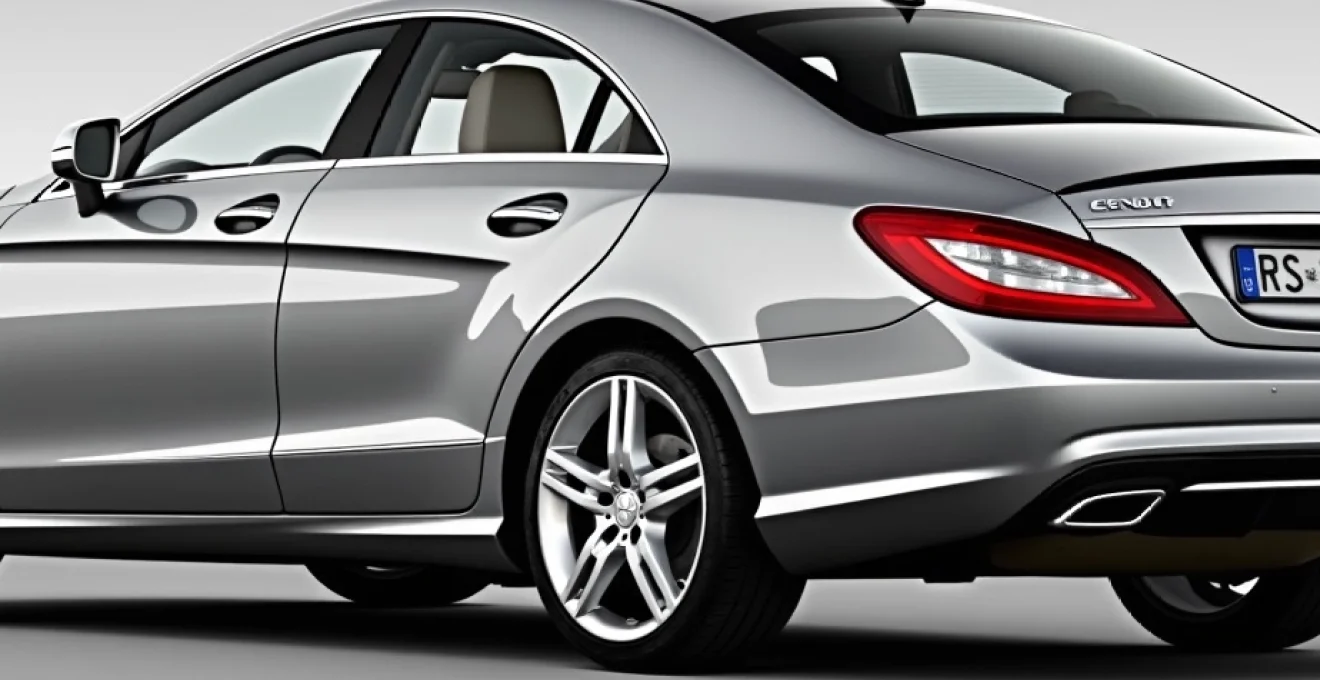
The 2012 Mercedes-Benz CLS stands as a pivotal model year in the second-generation W218 platform, representing Mercedes-Benz’s refined approach to the four-door coupé concept they pioneered. This particular vintage benefits from initial production refinements whilst avoiding some of the later complexity that would characterise subsequent model years. For discerning buyers seeking a balance between cutting-edge technology and proven reliability, the 2012 CLS offers compelling value in today’s pre-owned luxury market. Understanding the technical intricacies and potential pitfalls of this sophisticated executive saloon becomes essential for making an informed purchasing decision that will serve you well for years to come.
2012 Mercedes-Benz CLS 350 and CLS 550 engine specifications analysis
The 2012 model year introduced significant powertrain updates that would define the CLS experience throughout the W218 generation. Mercedes-Benz replaced the naturally aspirated engines of the previous generation with more sophisticated turbocharged units, delivering enhanced performance whilst improving fuel economy. This transition marked a fundamental shift in Mercedes’ approach to luxury performance, emphasising efficiency without compromising the dynamic character expected from the CLS nameplate.
M276 3.5-litre V6 BlueDIRECT performance metrics
The M276 engine represents Mercedes-Benz’s commitment to combining performance with environmental responsibility. This direct-injection V6 produces 302 horsepower and 273 lb-ft of torque, providing compelling acceleration that transforms the CLS 350 into a genuinely quick luxury saloon. The BlueDIRECT technology incorporates piezo injectors operating at pressures up to 200 bar, ensuring precise fuel delivery across all operating conditions.
Critical to the M276’s character is its aluminium construction, which reduces weight by approximately 14 kilograms compared to its predecessor. The engine features advanced variable valve timing on both intake and exhaust camshafts, optimising breathing characteristics across the rev range. Thermal management receives particular attention, with the cooling system incorporating a map-controlled thermostat that varies opening temperature based on engine load and ambient conditions.
M278 4.6-litre V8 BiTurbo power delivery characteristics
The CLS 550’s M278 engine exemplifies modern V8 engineering, utilising twin turbochargers to extract 402 horsepower and 443 lb-ft of torque from its 4.6-litre displacement. Unlike traditional turbo lag characteristics, the M278 employs innovative turbine geometry that provides strong low-end response whilst maintaining high-rpm breathing capability. The hot-vee configuration places both turbochargers within the cylinder bank valley, reducing thermal losses and improving overall system efficiency.
Particularly noteworthy is the engine’s stop-start functionality, which operates seamlessly in luxury applications where refinement remains paramount. The system utilises a robust starter motor capable of multiple daily cycles without degradation, whilst sophisticated engine management ensures imperceptible restarts. For buyers seeking maximum performance, the M278 delivers compelling acceleration figures whilst maintaining reasonable fuel consumption for its output level.
7G-TRONIC PLUS transmission integration and shift patterns
The 7G-TRONIC PLUS transmission represents a significant evolution over the original 7G-TRONIC unit, incorporating enhanced hydraulic control and revised shift programming. The system utilises ADAPTIVE logic that monitors driving patterns and adjusts shift points accordingly, learning individual preferences over time. This personalisation extends beyond simple throttle position mapping to include cornering forces, gradient detection, and even ambient temperature considerations.
Torque converter lockup strategies receive particular attention in the 2012 calibration, with the system engaging lockup earlier in the rev range to improve fuel economy. The transmission controller communicates extensively with engine management, coordinating downshifts with rev-matching algorithms that enhance both performance and refinement. For buyers prioritising smooth operation, the 7G-TRONIC PLUS delivers exceptionally civilised behaviour in urban environments whilst providing decisive responses when performance is required.
AIRMATIC suspension system calibration differences
The 2012 CLS features refined AIRMATIC calibration that addresses some of the handling compromises found in earlier air suspension systems. Mercedes-Benz engineers revised damper valving and spring rates to provide more linear response characteristics, particularly during dynamic driving situations. The system maintains the traditional AIRMATIC advantages of load levelling and ride height adjustment whilst delivering improved body control.
Of particular interest to enthusiast drivers is the enhanced Sport+ mode calibration , which firms damping significantly whilst lowering ride height by 15mm. This transformation alters the CLS’s character dramatically, providing sports saloon dynamics that rival dedicated performance models. The system’s ability to maintain comfort in standard modes whilst delivering genuine sportiness when required represents one of the 2012 model year’s most significant improvements over its predecessors.
Pre-purchase inspection critical points for CLS W218 generation
Thorough inspection becomes crucial when evaluating any used luxury vehicle, but the CLS’s sophisticated systems demand particular attention to detail. Understanding the specific failure modes and warning signs associated with each major component can prevent expensive surprises after purchase. The complexity of modern luxury vehicles means that seemingly minor issues can indicate more significant underlying problems that may not be immediately apparent during a casual inspection.
M276 engine carbon build-up assessment protocol
Direct injection engines, whilst offering superior fuel economy and performance, are inherently susceptible to intake valve carbon deposits. The M276 engine shows particular vulnerability to this phenomenon, especially in vehicles subjected primarily to short-distance urban driving. During your inspection, listen carefully for irregular idle characteristics or hesitation during acceleration, as these symptoms often indicate carbon accumulation affecting airflow.
Professional carbon cleaning services typically cost between £400-600, but severe cases may require more extensive intervention. The most reliable assessment method involves borescope inspection of the intake ports, though this requires specialist equipment. As an alternative, request evidence of recent carbon cleaning or inquire about the vehicle’s typical driving patterns. Highway-driven vehicles generally exhibit less carbon build-up than those used primarily for city commuting.
ABC active body control hydraulic system diagnostics
The Active Body Control system represents one of the most sophisticated suspension technologies available, but also one of the most expensive to repair when problems arise. ABC system failures often manifest as warning messages on the dashboard, but subtle symptoms may precede electronic alerts by considerable periods. During your test drive, pay attention to any unusual pitching or rolling motions, particularly when accelerating or braking.
Hydraulic fluid leaks constitute the most common ABC problem, typically originating from strut seals or high-pressure lines. Visual inspection around each wheel well may reveal tell-tale signs of hydraulic fluid, which appears as a distinctive pink-coloured residue. ABC strut replacement costs can exceed £2,000 per corner, making thorough inspection essential before purchase. The system’s complexity means that DIY repairs are generally impractical, requiring specialised diagnostic equipment and technical knowledge.
CLS 63 AMG M159 Engine-Specific inspection requirements
The naturally aspirated M159 V8 in CLS 63 AMG models demands specific inspection protocols due to its high-performance nature and unique failure modes. Head bolt issues plagued early M159 engines, though 2012 models generally benefit from revised hardware that addresses these concerns. During your inspection, listen for any irregular valve train noises or rough idle characteristics that might indicate developing problems.
Oil consumption represents another critical consideration with M159 engines, as these high-performance units can consume significant quantities of oil during spirited driving. Request maintenance records that document oil consumption patterns, as excessive consumption may indicate bore wear or valve guide problems. The M159’s dry-sump oiling system also requires specific maintenance intervals that differ from conventional engines, making proper service history documentation essential for long-term reliability.
COMAND NTG4.5 infotainment system functionality verification
The 2012 CLS features the NTG4.5 COMAND system, which introduced significant improvements over earlier generations whilst maintaining compatibility with emerging smartphone technologies. During your inspection, verify that all infotainment functions operate correctly, including navigation, Bluetooth connectivity, and auxiliary input recognition. Screen pixelation or touch response issues can indicate failing display units that may require expensive replacement.
Particularly important is testing the system’s integration with climate control and vehicle settings menus, as these functions share processing resources with entertainment features. Software corruption can cause seemingly unrelated system malfunctions , making comprehensive testing essential. The NTG4.5 system does support software updates, but these require dealer intervention and can be costly if performed outside warranty coverage.
Known reliability issues and technical service bulletins
Mercedes-Benz issued several technical service bulletins addressing specific concerns that affect 2012 CLS models. Understanding these known issues helps buyers identify potentially problematic vehicles whilst providing negotiation leverage when warranted. The complexity of luxury vehicles means that even minor software glitches can manifest as significant operational problems, making awareness of common failure modes essential for informed purchasing decisions.
Timing chain tensioner failure patterns in M276 units
The M276 engine’s timing chain tensioner represents one of the most significant potential failure points, with some units experiencing premature wear that can lead to catastrophic engine damage if left unaddressed. Mercedes-Benz updated tensioner specifications during production, but earlier 2012 models may still utilise the problematic original design. Listen carefully for rattling noises during cold starts, as this often indicates developing tensioner wear.
Timing chain replacement typically costs £3,000-4,000 including labour, making this a critical inspection point. The failure pattern usually involves gradual deterioration rather than sudden failure, but procrastination can result in valve damage or worse. Some specialists recommend proactive tensioner replacement at higher mileages, particularly for vehicles showing any symptoms of chain noise or timing irregularities.
ABC strut leak symptoms and replacement intervals
Active Body Control struts typically require replacement between 80,000-120,000 miles, depending on usage patterns and maintenance quality. The hydraulic seals within each strut are subject to constant pressure cycling, eventually leading to internal leakage and reduced damping effectiveness.
Early symptoms include gradual ride height loss, increased body motion over bumps, and eventual dashboard warning messages indicating system faults.
Replacement costs vary significantly depending on whether you choose genuine Mercedes components or aftermarket alternatives. Genuine ABC struts cost approximately £1,500-2,000 each, whilst aftermarket options may reduce costs by 30-40%. However, aftermarket components may not offer the same longevity or performance characteristics as original equipment, making this a decision that requires careful consideration based on your intended ownership period and usage patterns.
ECU software updates for transmission adaptation issues
The 7G-TRONIC PLUS transmission occasionally experiences adaptation problems that manifest as harsh shifting or delayed engagement. Mercedes-Benz released several software updates addressing these concerns, but many vehicles remain running original calibrations that may exhibit suboptimal behaviour. During your test drive, pay attention to shift quality both when cold and at operating temperature, as problems often become more pronounced as temperatures change.
Transmission software updates typically cost £150-300 at Mercedes-Benz dealers, though some independent specialists can perform these services at reduced rates. The adaptation process requires approximately 50-100 miles of varied driving to complete, during which shift quality may seem inconsistent. Proper adaptation significantly improves overall drivability , making this update worthwhile for vehicles exhibiting transmission roughness.
LED daytime running light assembly moisture problems
The 2012 CLS’s LED daytime running lights occasionally develop moisture ingress problems that can lead to premature bulb failure or electronic malfunctions. This issue typically manifests as condensation visible within the headlight assembly, though early stages may not show obvious symptoms. Mercedes-Benz redesigned sealing procedures during production, but some early units may still be susceptible to moisture problems.
LED assembly replacement costs can exceed £1,000 per side, making this an expensive repair item. However, some independent repair services can address sealing problems without complete assembly replacement, potentially reducing costs significantly. The key is identifying moisture problems early, before electronic components sustain damage that necessitates complete replacement of the affected lighting assembly.
Market valuation factors and depreciation analysis
The 2012 CLS occupies a unique position in the current used car market, representing the sweet spot between modern sophistication and reasonable pricing. Depreciation patterns for luxury vehicles follow predictable curves, with the steepest value losses occurring during the first five years of ownership. However, the CLS benefits from relatively strong residual values compared to some competitors, particularly models with desirable option combinations and comprehensive service histories.
Current market analysis reveals that well-maintained 2012 CLS models trade between £18,000-35,000, depending on mileage, condition, and specification level. The CLS 350 represents the volume seller, whilst CLS 550 and CLS 63 AMG variants command premiums reflecting their enhanced performance capabilities. Colour choice significantly impacts resale values , with popular metallic shades maintaining stronger market appeal than more adventurous alternatives.
Service history documentation carries particular weight in CLS valuations, as the complexity of these vehicles makes maintenance transparency crucial for buyer confidence. Vehicles with complete Mercedes-Benz service records typically command 10-15% premiums over those with incomplete documentation. The availability of extended warranty coverage also influences pricing, with remaining factory warranty or aftermarket protection adding measurable value to asking prices.
Geographic factors play important roles in CLS pricing, with urban markets typically supporting higher values than rural areas. This reflects both the target demographic’s preferences and the availability of qualified service facilities. Buyers in areas with limited Mercedes-Benz dealer networks may find lower purchase prices, but should factor increased service logistics into their ownership cost calculations.
Optimal CLS variants and equipment package selection
Choosing the ideal 2012 CLS variant requires balancing performance desires against practical considerations including fuel costs, insurance premiums, and maintenance expenses. The CLS 350 delivers compelling everyday performance whilst maintaining reasonable operating costs, making it the logical choice for most buyers. However, the CLS 550’s additional performance may justify its higher purchase and operating costs for buyers prioritising maximum capability.
Equipment packages significantly influence both purchase prices and long-term satisfaction with CLS ownership. The Premium Package, which includes features like PARKTRONIC parking assistance and heated seats, represents excellent value for most buyers. The AMG Sport Package transforms the CLS’s visual character dramatically, adding aggressive styling elements and larger wheels that enhance road presence but may increase tyre replacement costs.
Technology packages deserve careful consideration, as infotainment systems age less gracefully than mechanical components. The rear entertainment system, whilst impressive when new, may seem dated by contemporary standards and adds complexity that can increase repair costs. Conversely, the premium sound system upgrade provides lasting enjoyment that justifies its additional cost for music enthusiasts.
- AIRMATIC suspension enhances ride quality and handling versatility
- LED headlights provide superior illumination and distinctive appearance
- Navigation system integration simplifies operation but may require updates
- Panoramic sunroof creates an airy cabin atmosphere but adds maintenance complexity
Ownership cost projection and maintenance schedule overview
Projecting realistic ownership costs for a 2012 CLS requires considering both routine maintenance and potential repair expenses associated with luxury vehicle ownership. Annual maintenance costs typically range from £1,200-2,500, depending on mileage accumulation and service provider choice. Mercedes-Benz dealers provide comprehensive service but at premium pricing, whilst qualified independent specialists can reduce costs whilst maintaining service quality.
The CLS maintenance schedule follows Mercedes-Benz’s ASSYST system, which calculates service intervals based on actual operating conditions rather than simple mileage or time parameters. This intelligent approach optimises maintenance timing but requires discipline to follow recommendations promptly.
Deferred maintenance on luxury vehicles typically results in disproportionately expensive repair bills, making adherence to service schedules crucial for cost control.
Major service items include transmission fluid changes every 40,000 miles, brake fluid replacement every three years, and air suspension servicing as required. The ABC system requires particular attention, with hydraulic fluid changes and seal inspections helping prevent expensive component failures. Engine timing chain inspection becomes advisable around 80,000 miles, particularly for vehicles showing any symptoms of chain stretch or tensioner wear.
Insurance costs for 2012 CLS models vary significantly based on driver demographics and coverage requirements, but typically exceed those for mainstream executive saloons. The vehicle
‘s performance credentials place it in a higher insurance group, affecting annual premiums accordingly. Extended warranty coverage becomes particularly valuable for CLS ownership, with comprehensive policies available from third-party providers at more attractive rates than Mercedes-Benz factory extensions.
Fuel costs represent another significant ownership consideration, with the CLS 350 achieving approximately 28-32 mpg in mixed driving conditions, whilst the CLS 550’s V8 typically returns 22-26 mpg. Premium fuel requirements add to operating expenses, as both engines specify 91-octane minimum for optimal performance. The stop-start functionality helps reduce urban fuel consumption, though real-world benefits depend heavily on driving patterns and traffic conditions.
Depreciation continues beyond the initial ownership period, with luxury vehicles typically losing 15-20% of their value annually during years six through ten. However, well-maintained examples with desirable specifications can demonstrate improved residual value retention, particularly as the model transitions from used car to modern classic status. The key to minimising depreciation impact lies in selecting popular colour combinations, maintaining comprehensive service records, and addressing any known issues proactively rather than reactively.
Parts availability generally remains excellent for 2012 CLS models, as Mercedes-Benz maintains comprehensive parts support for vehicles within their ten-year service window. However, speciality components like ABC struts or complex electronic modules can experience occasional supply delays, making preventive maintenance strategies particularly valuable. Independent parts suppliers increasingly offer alternatives for routine service items, providing cost savings without compromising quality for experienced owners willing to research component specifications carefully.
The 2012 Mercedes-Benz CLS represents an exceptional opportunity for buyers seeking contemporary luxury performance at accessible pricing levels. Understanding the technical complexities and potential maintenance requirements enables informed decision-making that can result in years of satisfying ownership. The key lies in thorough pre-purchase inspection, realistic ownership cost budgeting, and commitment to proper maintenance protocols that preserve both performance and reliability throughout your ownership experience.