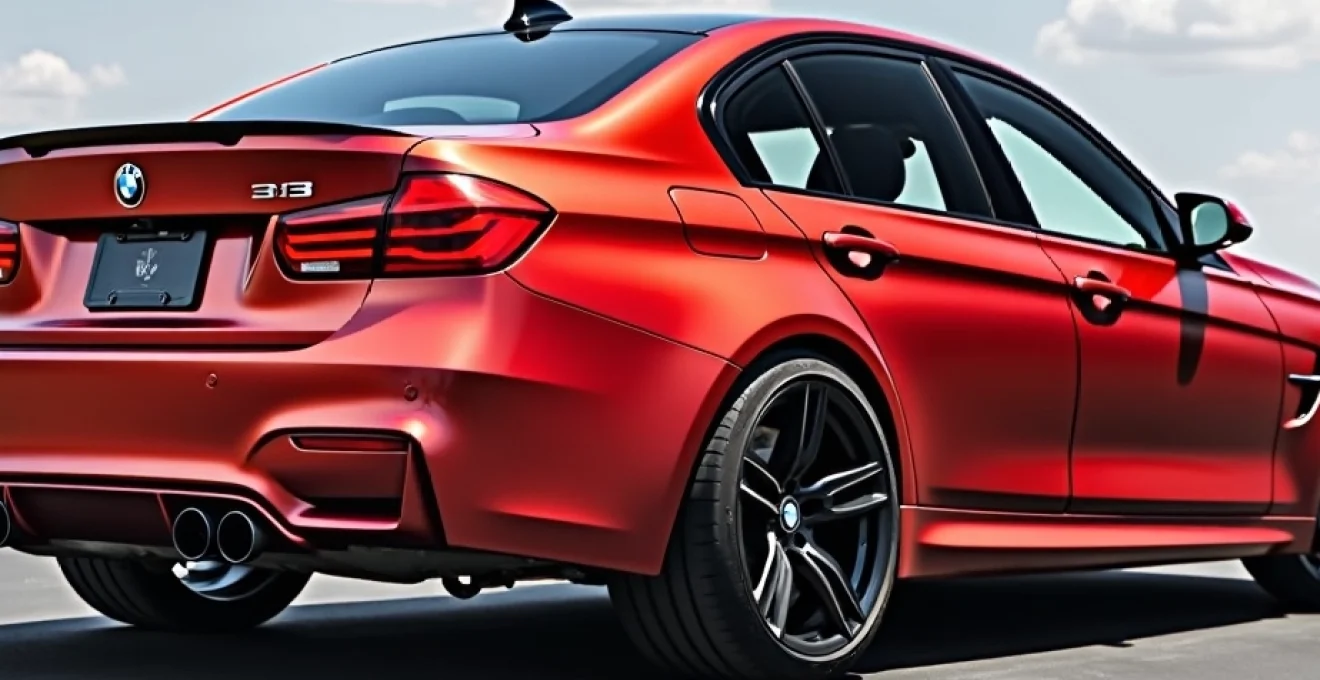
The 2015 BMW M3 sedan represents a watershed moment in the evolution of Munich’s legendary sports saloon. As the first generation to abandon the naturally aspirated V8 for a turbocharged inline-six, the F80 M3 sparked considerable debate amongst enthusiasts. However, nearly a decade later, this model has proven itself as one of the most capable and engaging performance sedans ever produced. With its sophisticated S55 twin-turbo engine, advanced M DCT transmission, and meticulously engineered chassis dynamics, the F80 M3 delivers exceptional performance wrapped in practical four-door packaging. For prospective buyers navigating today’s used car market, understanding the intricacies of this particular generation becomes crucial for making an informed purchasing decision.
F80 BMW M3 engine specifications and S55 Twin-Turbo performance analysis
The heart of the 2015 BMW M3 lies in its revolutionary S55 engine, a 3.0-litre twin-turbocharged inline-six that marked a dramatic departure from its naturally aspirated predecessors. This powerplant produces 425 horsepower at 5,500-7,300 rpm and 406 lb-ft of torque between 1,850-5,500 rpm, figures that surpass the previous E90 M3’s V8 whilst delivering significantly improved fuel economy. The broad torque curve fundamentally transforms the driving character, providing instantaneous thrust from low engine speeds that makes the F80 feel considerably more muscular in real-world driving conditions.
S55 3.0-litre Twin-Turbo Inline-Six power delivery characteristics
The S55’s power delivery characteristics represent a masterclass in modern forced induction engineering. Unlike traditional turbo lag experienced in older systems, the S55 employs sophisticated turbocharger geometry and advanced engine management to provide virtually seamless power delivery. Peak torque arrives at just 1,850 rpm and maintains a plateau until 5,500 rpm, creating a remarkably linear acceleration curve. This characteristic makes the F80 M3 feel exceptionally responsive during overtaking manoeuvres and provides effortless acceleration from virtually any engine speed. The engine’s ability to maintain boost pressure through gear changes via the M DCT transmission further enhances this seamless power delivery experience.
BMW TwinPower turbo technology and intercooling system efficiency
BMW’s TwinPower Turbo technology incorporates twin-scroll turbochargers, direct fuel injection, and variable valve timing to optimise both performance and efficiency. The twin-scroll design separates exhaust pulses from cylinders 1-3 and 4-6, reducing interference and improving turbocharger response. An air-to-liquid intercooling system maintains consistent intake temperatures under sustained high-load conditions, crucial for track use or spirited driving sessions. This intercooling system proves particularly effective during extended performance driving, maintaining power output when other turbocharged engines might experience heat soak and power reduction.
Competition package engine mapping and performance upgrades
The Competition Package, available as a factory option, represents the pinnacle of S55 engine development for the F80 generation. This package increases power output to 444 horsepower whilst maintaining the same torque figure, achieved through revised engine mapping and enhanced cooling systems. The Competition Package also includes a modified exhaust system that provides a more aggressive exhaust note and improved flow characteristics. These modifications work synergistically to create a more track-focused driving experience whilst maintaining the everyday usability that defines the M3 philosophy.
M DCT Seven-Speed transmission response and launch control systems
The M DCT seven-speed dual-clutch transmission serves as the perfect complement to the S55 engine, offering lightning-fast gear changes and multiple driving modes. In automatic mode, the transmission provides smooth, seamless shifts suitable for daily driving, whilst manual mode delivers aggressive, race-inspired gear changes in milliseconds. The launch control system integrates perfectly with the M DCT, enabling consistent acceleration runs with minimal wheelspin. This system proves particularly effective on track days, where repeatability and consistency become paramount for achieving optimal lap times.
The combination of the S55 engine and M DCT transmission creates a powertrain that excels both on track and during spirited road driving, offering versatility that few competitors can match.
2015 BMW M3 market pricing analysis and depreciation patterns
Understanding the current market dynamics for the 2015 BMW M3 requires examining multiple factors that influence pricing, from original specifications to current condition and mileage. The F80 generation has experienced relatively strong residual values compared to many contemporary performance cars, largely due to its reputation for reliability and the desirability of the final naturally aspirated M3’s successor. Current market prices vary significantly based on specification, condition, and regional factors, making thorough research essential for potential buyers. The model’s position as a bridge between the classic naturally aspirated era and modern turbocharged performance has created sustained interest amongst enthusiasts.
Original MSRP variations between standard and competition package models
The 2015 BMW M3 launched with a base MSRP of £59,280 in the UK market, though most examples sold with substantial option packages that increased final prices considerably. Popular options included the M Carbon Ceramic Brakes at £6,270, the Executive Package at £3,350, and various interior and exterior enhancements. Competition Package models commanded a premium of approximately £5,000 over standard specifications, but included significant performance and aesthetic upgrades. Well-optioned examples frequently exceeded £75,000 when new, establishing a high baseline that has supported strong residual values in today’s used market.
Current market values for High-Mileage versus Low-Mileage examples
Today’s used market reveals significant pricing disparities between high and low-mileage examples, with sub-30,000-mile cars commanding substantial premiums over higher-mileage alternatives. Pristine, low-mileage examples with desirable options often sell for £45,000-55,000, whilst higher-mileage cars in good condition trade between £35,000-42,000. Exceptional examples with Competition Package specification and minimal mileage can exceed £60,000, particularly if accompanied by comprehensive service histories and original documentation. The market particularly rewards cars with documented maintenance at BMW M specialists and evidence of proper mechanical care.
Regional price differences across UK, european, and import markets
Regional pricing variations create opportunities for astute buyers willing to consider imports or travel for the right vehicle. European examples, particularly from Germany, often represent excellent value due to higher original production volumes and different depreciation patterns. However, buyers must consider importation costs, compliance requirements, and potential warranty implications when evaluating European cars. UK domestic market cars typically command premiums due to right-hand drive configuration and established service histories, but this premium may be justified for buyers prioritising convenience and local support networks.
Auction results analysis from Barrett-Jackson and RM sotheby’s sales data
Recent auction results provide valuable insight into market trends for exceptional F80 M3 examples. Low-mileage Competition Package cars with unique colour combinations or special provenance have achieved strong results, particularly at prestigious auction houses. However, standard specification cars without notable provenance typically sell within established market ranges, suggesting that private sales often represent better value for both buyers and sellers. The auction market tends to reward truly exceptional examples whilst offering limited premiums for standard, well-maintained cars that might excel in private transactions.
Critical inspection points for F80 M3 Pre-Purchase evaluation
Conducting a thorough pre-purchase inspection represents perhaps the most critical aspect of F80 M3 ownership, as potential issues can result in substantial repair costs if left unaddressed. The sophistication of modern M cars demands comprehensive evaluation beyond basic mechanical inspection, encompassing electronic systems, performance components, and interior elements that may show premature wear. Understanding common failure points and their symptoms enables buyers to make informed decisions and negotiate appropriate pricing adjustments. Professional inspections by qualified M specialists often prove invaluable, particularly for high-value examples where repair costs might significantly impact ownership economics.
S55 engine common issues: crank hub and connecting rod bearing assessment
The S55 engine has developed a reputation for specific failure modes that require careful assessment during pre-purchase inspections. Crank hub issues, whilst relatively rare, can result in catastrophic engine failure and represent one of the most serious potential problems. Early symptoms include unusual vibrations at idle and metallic noises during engine operation, though these signs may be subtle and require experienced diagnosis. Connecting rod bearing wear represents another concern, particularly in high-mileage examples or cars subjected to extensive track use. Regular oil analysis and careful listening for bearing noise during engine operation provide early warning signs of potential issues.
BMW M adaptive suspension damper functionality and wear indicators
The sophisticated M Adaptive suspension system requires careful evaluation to ensure proper functionality across all driving modes. Damper wear typically manifests as inconsistent ride quality, unusual noises over bumps, or failure to respond properly to driving mode changes. The electronic dampers contain complex internal components that can fail progressively, making assessment challenging without proper diagnostic equipment. Replacement costs for individual dampers can exceed £1,500 each, making thorough inspection crucial for budget planning. Visual inspection should include checking for fluid leaks, damaged mounting points, and proper electrical connections.
M carbon ceramic brake system inspection and replacement cost analysis
Cars equipped with the optional M Carbon Ceramic brakes require specialist inspection techniques due to their unique construction and operating characteristics. Unlike traditional iron discs, carbon ceramic rotors can develop hairline cracks that may not immediately affect performance but indicate approaching replacement requirements. The distinctive appearance of these brakes, including their grey colouration and unique surface texture, makes visual inspection relatively straightforward for experienced technicians. However, replacement costs often exceed £8,000 for a complete set, making thorough evaluation essential before purchase. Brake pad wear patterns and rotor thickness measurements provide crucial data for assessing remaining service life.
Interior wear patterns on merino leather and carbon fibre trim elements
The F80 M3’s interior materials, whilst generally durable, exhibit specific wear patterns that can indicate usage levels and maintenance standards. Merino leather seats typically show wear on bolster areas and seat bases, particularly in cars used for spirited driving or track events. Carbon fibre trim elements may develop surface scratches or lose their distinctive weave clarity over time, though replacement costs remain relatively modest compared to mechanical components. Dashboard materials and electronic interfaces should be evaluated for proper operation, as replacement costs for infotainment components can prove substantial. Climate control effectiveness and seat adjustment mechanisms require verification to avoid future inconvenience and expense.
A comprehensive pre-purchase inspection by a qualified M specialist represents essential due diligence that can prevent costly surprises and ensure years of reliable ownership.
BMW M3 F80 maintenance schedule and ownership cost breakdown
Understanding the comprehensive maintenance requirements and associated costs proves essential for prospective F80 M3 owners planning realistic ownership budgets. The sophisticated nature of modern M cars demands adherence to strict service intervals and the use of specialist knowledge for optimal performance and reliability. Annual maintenance costs typically range from £1,500-3,000 depending on mileage, usage patterns, and choice of service provider, though these figures can increase substantially when major service intervals or component replacements become due. The relationship between proper maintenance and long-term reliability cannot be overstated, as deferred maintenance often results in exponentially higher costs and reduced performance.
BMW’s Condition Based Servicing system monitors various vehicle parameters to determine service requirements, though many specialists recommend more frequent oil changes for performance driving applications. The S55 engine requires high-quality synthetic oil meeting BMW LL-01 specifications, with capacity of approximately 6.5 litres including filter changes. Brake fluid replacement every two years remains critical for both safety and performance, particularly for cars used on track days where brake system demands reach extreme levels. Differential oils require periodic replacement according to usage patterns, with track use necessitating more frequent changes to maintain optimal performance and component longevity.
Tyre costs represent a significant ongoing expense, with high-performance rubber requiring replacement every 10,000-20,000 miles depending on driving style and conditions. The standard fitment of mixed-diameter wheels means that tyre rotation becomes impossible, often resulting in accelerated rear tyre wear during enthusiastic driving. Premium brands such as Michelin Pilot Sport 4S or Continental SportContact typically cost £300-400 per tyre, making a complete set replacement a substantial expense. Winter tyre requirements in colder climates add additional costs, though the investment proves worthwhile for maintaining performance and safety during adverse conditions.
Performance modifications and aftermarket enhancement options
The aftermarket support for the F80 M3 has developed extensively, offering owners numerous opportunities to enhance performance, aesthetics, and personalisation. The S55 engine responds particularly well to software modifications, with reputable tuners achieving power increases of 50-100 horsepower through ECU remapping alone. These modifications typically maintain reliability when performed by experienced specialists using conservative parameters, though warranty implications require careful consideration. The robust construction of the S55 engine provides excellent foundations for performance enhancement, with many tuned examples proving reliable over extended periods.
Suspension modifications offer another popular avenue for enhancement, with options ranging from subtle spring and damper upgrades to comprehensive coilover systems. Companies like KW, Öhlins, and Bilstein offer sophisticated solutions that can improve both track performance and road comfort through advanced damping technologies. Chassis reinforcement modifications, including strut tower braces and underbody strengthening components, provide additional rigidity that enhances the car’s already impressive dynamics. These modifications prove particularly beneficial for track-focused applications where ultimate precision becomes paramount.
Exhaust system modifications represent one of the most popular enhancement categories, offering improved sound quality and modest performance gains. Systems from manufacturers like Akrapović, Eisenmann, and Remus provide distinctive exhaust notes whilst maintaining reasonable noise levels for daily driving. Carbon fibre aerodynamic components offer visual enhancement and genuine performance benefits at higher speeds, though quality varies significantly between manufacturers. Interior modifications typically focus on enhanced seat bolstering, steering wheel upgrades, and weight reduction measures for track-oriented applications.
BMW M3 F80 versus contemporary rivals: audi RS4 and Mercedes-AMG C63 S comparison
The competitive landscape during the F80 M3’s production period included formidable rivals that each offered distinct approaches to high-performance luxury saloons. The Audi RS4 Avant, whilst only available as an estate, provided all-wheel drive traction and practicality that appealed to different buyer priorities. Its 4.2-litre V8 engine delivered different character compared to the BMW’s turbocharged approach, offering immediate throttle response and distinctive exhaust note. However, the RS4’s higher weight and less engaging steering characteristics placed it at a disadvantage during spirited driving situations where the M3’s precision and balance proved superior.
The Mercedes-AMG C63 S presented perhaps the closest direct competition, featuring a 4.0-litre twin-turbo V8 producing similar power figures to the M3. The AMG’s approach favoured raw power delivery and dramatic exhaust sounds over the BMW’s more sophisticated chassis dynamics and transmission technology. Road tests consistently highlighted the M3’s superior handling balance and steering precision, whilst the C63 S offered more dramatic acceleration and sound effects. Long-term reliability comparisons generally favour the BMW, though individual examples may vary depending on maintenance standards and usage patterns.
From a value perspective, the F80 M3 has maintained stronger residual values compared to most contemporary rivals, partly due to its reputation for reliability and the desirability of its manual transmission option in later model years. The combination of performance, practicality, and long-term ownership costs creates a compelling proposition that continues to attract enthusiasts seeking the ultimate balance of capabilities. Modern alternatives, whilst offering more power and advanced technology, often lack the mechanical purity and engaging driving experience that defines the F80 generation’s appeal among driving purists.