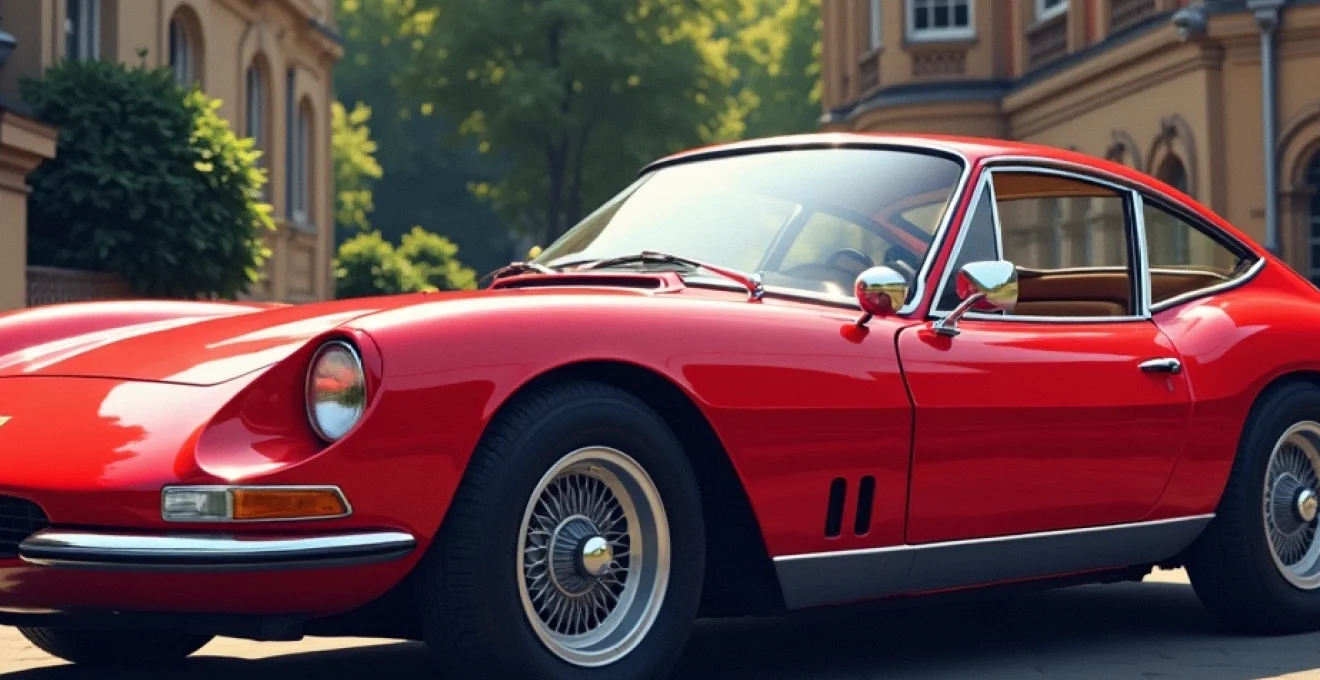
The allure of Ferrari ownership transcends mere transportation, representing an entry into automotive aristocracy that has captivated enthusiasts for decades. In the UK’s vibrant classic car market, acquiring a pre-owned Ferrari presents both tremendous opportunities and significant challenges that demand careful consideration. The British Ferrari scene encompasses everything from pristine concours examples to project cars requiring extensive restoration, with prices ranging from accessible entry-level models to seven-figure investment pieces.
Ferrari’s reputation for engineering excellence and racing heritage makes these Italian supercars among the most desirable vehicles on the planet. However, purchasing a second-hand Ferrari in Britain requires far more than simply having adequate funds. The complexity of these machines, combined with their exclusivity and the specialist knowledge required for proper evaluation, means that potential buyers must navigate a minefield of technical, legal, and financial considerations unique to the UK market.
Ferrari model authentication and provenance verification in the UK market
The Ferrari market in Britain has experienced remarkable growth over the past decade, with certain models appreciating by over 300% since 2010. This dramatic increase in values has unfortunately attracted unscrupulous sellers and sophisticated forgeries, making authentication absolutely critical for any serious purchase. The UK’s position as a hub for classic car trading means that vehicles from across Europe and beyond flow through British dealers, creating both opportunities and risks for discerning buyers.
Chassis number verification through ferrari classiche certification
Ferrari Classiche certification represents the gold standard for authenticity verification, providing irrefutable proof of a vehicle’s provenance and originality. This comprehensive documentation process, conducted exclusively by Ferrari’s heritage department in Maranello, involves detailed analysis of chassis numbers, engine specifications, and manufacturing records dating back to the company’s earliest production years. For UK buyers, obtaining Classiche certification can add substantial value to a purchase while providing peace of mind regarding authenticity.
The certification process typically requires several months and involves submitting detailed photographs and documentation to Ferrari’s Italian headquarters. British owners benefit from the expertise of UK Ferrari specialists who can facilitate this process, though costs can range from £3,000 to £8,000 depending on the model and complexity of verification required. Classiche certification is particularly valuable for models produced between 1947 and 1975, covering legendary vehicles like the 250 series, Daytona, and early Dino models.
Distinguishing genuine pininfarina bodywork from replica conversions
Pininfarina’s collaboration with Ferrari produced some of automotive history’s most beautiful designs, but the value differential between genuine coachbuilt examples and replica conversions can exceed £100,000. Authentic Pininfarina bodywork displays distinctive manufacturing techniques, including hand-formed panels, specific welding patterns, and proprietary assembly methods that trained specialists can identify. British Ferrari experts have developed sophisticated techniques for detecting replica conversions, examining everything from door gap tolerances to interior trim attachment methods.
The challenge becomes particularly acute with models like the 250 GT series, where genuine examples command astronomical prices while convincing replicas built on period chassis can appear virtually identical to untrained eyes. Professional assessment involves detailed examination of body stampings, frame modifications, and comparison with factory production photographs. UK-based specialists maintain extensive databases of known authentic examples, enabling cross-reference verification that protects buyers from costly mistakes.
Authenticating factory options through build sheet documentation
Ferrari’s extensive options catalogue meant that virtually no two vehicles left the factory identically equipped, making build sheet verification essential for establishing authenticity and market value. Original factory documentation provides detailed specifications for everything from engine internals to interior trim combinations, enabling precise verification of a vehicle’s as-delivered configuration. British Ferrari specialists have developed relationships with Italian archives and private collectors to access comprehensive production records spanning decades of manufacturing.
The importance of factory option authentication becomes evident when considering that certain combinations can dramatically affect values. A genuine competition package or rare interior specification can add tens of thousands to a vehicle’s worth, while non-original modifications typically reduce values significantly. UK buyers benefit from specialist services that can verify option authenticity through detailed component analysis and factory correspondence research.
Identifying Period-Correct components and original equipment specifications
Component authenticity verification requires extensive knowledge of Ferrari’s evolving supplier relationships and manufacturing practices throughout different production periods. Original equipment specifications varied significantly across model years, with changes in everything from brake suppliers to electrical components affecting both authenticity and value. British specialists maintain comprehensive databases of period-correct components, enabling detailed verification of items ranging from carburettors to interior switchgear.
The challenge intensifies with models that remained in production for extended periods, as running changes introduced subtle variations that significantly impact authenticity assessment. Professional evaluation involves detailed examination of component markings, manufacturing techniques, and installation methods compared against known factory specifications. Period-correct restoration can dramatically enhance values, but only when executed with absolute attention to original specifications and manufacturing methods.
Pre-purchase technical inspection protocols for classic ferrari models
Technical inspection of classic Ferrari models demands specialist expertise that extends far beyond conventional automotive assessment. These sophisticated machines incorporate advanced engineering solutions and exotic materials that require specific evaluation techniques and diagnostic equipment. British Ferrari specialists have developed comprehensive inspection protocols that address the unique characteristics and common failure points associated with different model families and production periods.
Engine bay assessment: timing belt service history and valve adjustment records
Ferrari’s high-performance engines demand meticulous maintenance schedules that directly impact both reliability and long-term value preservation. Timing belt service represents perhaps the most critical maintenance item, with failure potentially causing catastrophic engine damage costing tens of thousands in repairs. UK specialists recommend timing belt replacement every five years regardless of mileage, though some owners extend intervals based on usage patterns and storage conditions.
Valve adjustment records provide crucial insight into engine condition and previous maintenance quality. Ferrari’s complex valve train configurations require precise adjustment procedures that demand specialist tools and extensive experience. Properly maintained engines display consistent valve clearances and minimal wear patterns, while neglected examples often require extensive rebuilding. British specialists maintain detailed service records that enable tracking of maintenance history across ownership changes, providing valuable insight for potential purchasers.
Professional engine assessment involves comprehensive evaluation of internal wear patterns, oil consumption rates, and compression consistency across all cylinders, providing essential data for informed purchasing decisions.
Gearbox evaluation: synchromesh wear patterns in manual transmissions
Ferrari’s manual gearboxes represent mechanical masterpieces that demand careful evaluation during pre-purchase inspection. Synchromesh wear patterns provide crucial insight into previous usage and maintenance quality, with excessive wear indicating potential costly rebuilding requirements. British specialists utilise sophisticated diagnostic techniques to assess internal condition without complete disassembly, though comprehensive evaluation often requires removal and inspection.
The distinctive characteristics of Ferrari gearboxes mean that normal wear patterns differ significantly from conventional automotive applications. Professional assessment involves detailed evaluation of shift quality, synchronisation effectiveness, and internal clearances that require extensive experience to interpret accurately. UK-based specialists maintain comprehensive databases of typical wear patterns and failure modes specific to different gearbox families, enabling precise condition assessment and future maintenance planning.
Suspension geometry analysis: koni damper condition and bushing integrity
Suspension system evaluation requires sophisticated measurement equipment and extensive knowledge of Ferrari’s evolving engineering solutions across different model families. Koni dampers, fitted to many classic Ferrari models, display specific wear characteristics that trained specialists can identify through detailed analysis. Bushing integrity assessment involves examination of rubber compounds and mounting hardware that deteriorate over time regardless of mileage accumulation.
Suspension geometry analysis utilises precision measurement equipment to verify alignment specifications and identify structural modifications or accident damage. British specialists employ laser alignment systems and computerised measurement protocols that enable detection of subtle geometry variations that significantly impact handling characteristics. Proper suspension setup dramatically enhances both performance and safety, making thorough evaluation essential for any serious purchase consideration.
Brake system inspection: brembo component wear and hydraulic line assessment
Ferrari’s high-performance Brembo brake systems require comprehensive evaluation that extends beyond simple pad and disc inspection. Hydraulic line assessment involves detailed examination of braided steel lines, master cylinder condition, and brake fluid contamination levels that indicate maintenance quality and potential future requirements. British climate conditions can accelerate corrosion in brake system components, making thorough inspection particularly important for UK-based vehicles.
Professional brake system evaluation involves pressure testing, component wear measurement, and assessment of brake balance characteristics that require specialist equipment and extensive experience. Brembo component authenticity verification ensures that replacement parts meet original specifications and maintain system effectiveness. UK specialists maintain extensive inventories of genuine Brembo components, enabling immediate identification of non-original modifications or inappropriate substitutions.
Uk-specific legal compliance and registration requirements
Navigating Britain’s complex automotive legislation presents unique challenges for Ferrari ownership, particularly regarding vehicles imported from other European markets or exotic specifications that may not comply with UK regulations. The Brexit transition has introduced additional complications for importing vehicles from EU countries, requiring comprehensive documentation and potential modifications to meet British standards. DVLA registration requirements have become increasingly stringent, with enhanced scrutiny of vehicle identification numbers and ownership documentation.
Classic Ferrari models benefit from certain exemptions under historic vehicle legislation, though specific requirements vary based on age, originality, and intended usage. MOT testing requirements for vehicles over 40 years old have been relaxed, though many owners continue voluntary testing to maintain insurance compliance and safety standards. British insurance companies have developed specialist policies recognising the unique characteristics of classic Ferrari ownership, though coverage requirements often include agreed value assessments and approved storage facilities.
Import duty and VAT implications can significantly impact the total acquisition cost for vehicles sourced from overseas markets. Professional import specialists familiar with Ferrari-specific requirements can navigate complex customs procedures and ensure compliance with all relevant regulations. Proper documentation is essential throughout the import process, as errors can result in substantial delays and additional costs that affect the overall purchase economics.
Ferrari specialist dealerships and independent marque experts across britain
The UK’s Ferrari specialist network encompasses both official franchise dealers and independent marque experts who collectively provide comprehensive support for classic Ferrari ownership. Established dealers like Graypaul, Dick Lovett, and HR Owen maintain extensive classic Ferrari departments with factory-trained technicians and comprehensive parts inventories. These facilities offer everything from routine maintenance to complete concours restorations, though services command premium pricing reflecting their exclusive expertise and official Ferrari backing.
Independent Ferrari specialists across Britain provide alternative servicing options that often combine extensive experience with more competitive pricing structures. Renowned specialists like Foskers, Vantage Engineering, and McGrath Motorsport have built exceptional reputations through decades of dedicated Ferrari service and restoration work. These facilities often maintain closer relationships with clients and provide more personalised service approaches that many owners prefer over larger dealership environments.
The relationship between Ferrari owners and their chosen specialists often spans decades, with experienced technicians developing intimate knowledge of individual vehicles and their unique characteristics.
Regional distribution of Ferrari specialists ensures that professional support remains accessible regardless of location within Britain. Northern specialists like Embsay Classic Cars and Southern facilities such as Meridien Modena provide comprehensive services to their respective regions. The concentration of Ferrari expertise around major population centres reflects the geographic distribution of ownership, though mobile specialist services have emerged to serve remote areas and provide convenient maintenance solutions.
Market valuation analysis for iconic ferrari models in the british classic car scene
The British classic Ferrari market has experienced unprecedented growth over the past decade, with certain models achieving returns that exceed traditional investment vehicles. Market analysis reveals distinct patterns in value appreciation, with early production models and limited edition variants leading price increases. The 250 GT series has seen particularly dramatic appreciation, with genuine examples now commanding prices exceeding £1 million in many cases.
Regional price variations within the UK market reflect factors including specialist availability, ownership demographics, and local market conditions. London-based dealers typically command premium pricing reflecting higher operating costs and affluent clientele, while regional specialists may offer more competitive valuations. Market liquidity varies significantly between model families, with popular variants like the 308 and 328 series maintaining strong demand while more exotic models experience greater price volatility.
Contemporary market analysis indicates that Ferrari values have stabilised following the dramatic increases of the previous decade, though selective models continue appreciating based on rarity and desirability factors. Professional valuation services have become essential for insurance and transaction purposes, with recognised specialists providing detailed market analyses that account for condition, provenance, and specification variations. Investment potential varies significantly between model families, with careful selection and proper maintenance remaining crucial for long-term value preservation.
| Model Family | Average UK Price Range | 5-Year Appreciation | Market Liquidity |
|---|---|---|---|
| 250 GT Series | £800,000 – £2,000,000 | 45% | Moderate |
| 308/328 Series | £75,000 – £150,000 | 35% | High |
| Testarossa Family | £120,000 – £300,000 | 25% | High |
| F40/F50 Supercars | £1,200,000 – £3,500,000 | 60% | Low |
Insurance considerations and agreed value policies for ferrari ownership in the UK
Ferrari insurance in Britain requires specialist policies that recognise these vehicles’ unique characteristics and ownership patterns. Traditional automotive insurance proves inadequate for classic Ferrari models, where agreed value policies become essential for protecting substantial investments. Leading UK insurers like Adrian Flux, Hagerty, and Footman James have developed comprehensive classic car policies specifically addressing Ferrari ownership requirements, though coverage terms and premium structures vary significantly based on vehicle specifications and intended usage patterns.
Agreed value assessment involves detailed professional appraisal that establishes definitive vehicle worth for insurance purposes. This process requires comprehensive documentation including condition reports, restoration records, and market analysis that demonstrates current market positioning. British insurance companies increasingly require professional storage facilities and limited mileage restrictions that reflect the investment nature of classic Ferrari ownership. Security requirements often include approved alarm systems, immobilisers, and secure storage facilities that meet specific insurance standards.
Premium calculations reflect multiple factors including driver experience, vehicle usage patterns, storage arrangements, and security provisions. Young drivers face particularly challenging insurance markets for Ferrari ownership, with many insurers imposing age restrictions or requiring extensive additional driver training. Track day coverage requires specific policy provisions, as standard classic car insurance typically excludes competitive usage or circuit activities. Professional racing activities demand completely separate insurance arrangements that address the unique risks associated with competition usage.
Claims handling for classic Ferrari insurance involves specialist assessors familiar with marque-specific repair requirements and parts availability. Authorised repair networks ensure that accident damage receives appropriate attention using genuine components and approved restoration techniques. The complexity of Ferrari repairs means that claims settlements often require extended negotiation periods and detailed technical assessment that can significantly impact vehicle availability during repair periods. Proper insurance coverage becomes absolutely essential given the substantial financial exposure associated with Ferrari ownership and the specialist nature of required repairs and maintenance procedures.