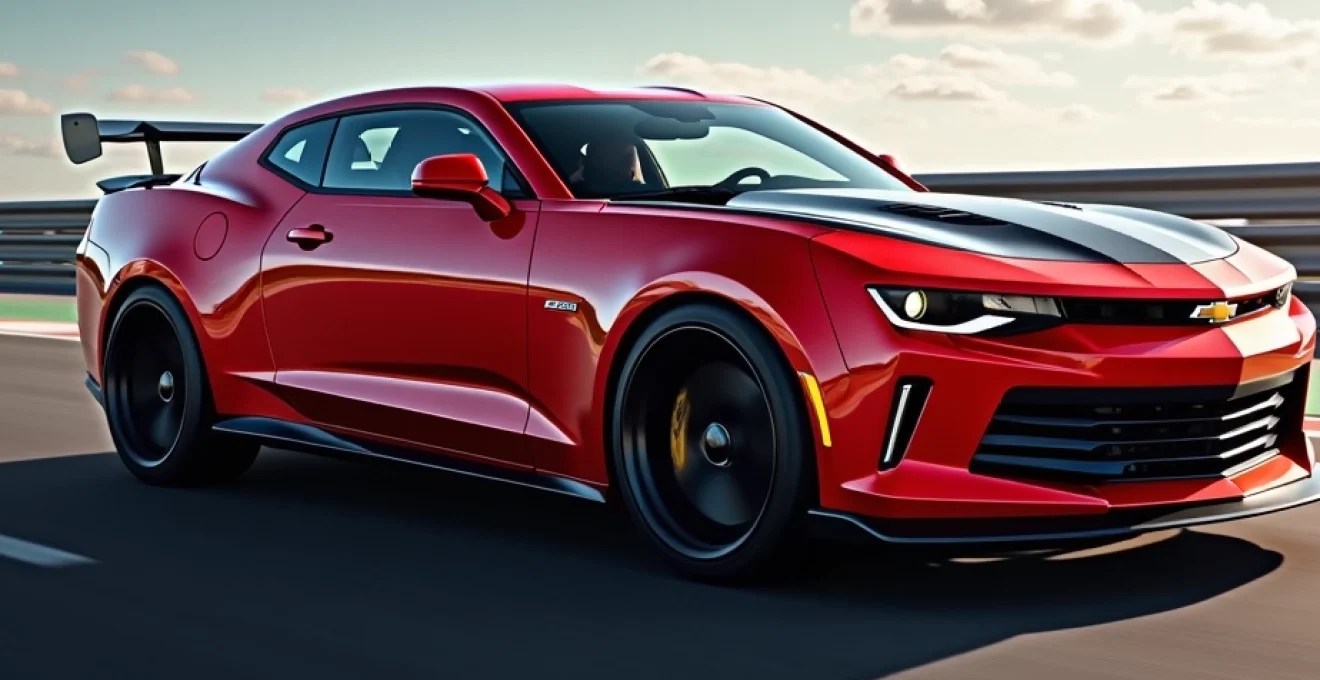
The Chevrolet Camaro SS represents the pinnacle of American muscle car engineering, combining raw power with sophisticated technology to deliver an exhilarating driving experience. This iconic sports coupé has undergone significant evolution since its resurrection, incorporating advanced drivetrain systems, cutting-edge suspension technology, and precision-engineered performance components. The current generation Camaro SS stands as a testament to General Motors’ commitment to creating a world-class performance vehicle that can compete with European sports cars whilst maintaining its distinctly American character. With its 6.2-litre LT1 V8 engine producing 455 horsepower and 455 lb-ft of torque, the Camaro SS delivers breathtaking acceleration and an unmistakable exhaust note that stirs the soul of any driving enthusiast.
Chevrolet camaro SS 6.2L LT1 V8 engine performance analysis
The heart of the Camaro SS lies in its magnificent 6.2-litre LT1 small-block V8 engine, a masterpiece of modern American automotive engineering that traces its lineage back to the legendary Chevrolet small-block family. This naturally aspirated powerplant represents the fourth generation of the LT engine series, incorporating decades of refinement and technological advancement to deliver exceptional performance whilst maintaining remarkable reliability. The LT1 architecture features an aluminium block construction with cast-iron cylinder liners, providing the perfect balance between weight reduction and durability that modern performance applications demand.
LT1 small block V8 power output and torque characteristics
The LT1 engine delivers its impressive 455 horsepower at 6,000 rpm, with peak torque of 455 lb-ft available from just 4,400 rpm, creating a remarkably broad and usable power band that transforms the driving experience. This power delivery characteristic ensures that you experience strong acceleration across virtually the entire rev range, eliminating the need for constant gear changes during spirited driving. The engine’s torque curve remains remarkably flat between 3,000 and 5,500 rpm, providing exceptional drivability in both urban environments and high-performance scenarios.
The sophisticated combustion chamber design incorporates a 11.5:1 compression ratio that maximises thermal efficiency whilst maintaining compatibility with premium unleaded fuel. This high compression ratio contributes significantly to the engine’s impressive power output and fuel economy, demonstrating how modern engineering can achieve performance gains without sacrificing practicality. The LT1’s power-to-displacement ratio of approximately 74 horsepower per litre showcases the remarkable efficiency of this naturally aspirated design.
Direct injection and variable valve timing technology implementation
The LT1 engine incorporates advanced direct injection technology that precisely controls fuel delivery directly into each combustion chamber, optimising the air-fuel mixture for maximum power output and efficiency. This system operates at pressures exceeding 150 bar, ensuring complete fuel atomisation and precise mixture control under all operating conditions. The direct injection system works in conjunction with a sophisticated engine management system that monitors dozens of parameters hundreds of times per second to maintain optimal performance.
Variable valve timing technology enhances the engine’s performance characteristics by optimising intake and exhaust valve timing based on engine speed, load, and operating conditions. This system allows the LT1 to achieve excellent low-end torque whilst maintaining strong high-rpm power output, characteristics that were previously impossible to achieve with fixed valve timing systems. The continuous variable valve timing system adjusts timing by up to 62 degrees on the intake camshaft and 50 degrees on the exhaust camshaft, providing remarkable flexibility in power delivery.
Active fuel management cylinder deactivation system
One of the most sophisticated features of the LT1 engine is its Active Fuel Management system, which seamlessly deactivates four cylinders during light-load conditions to improve fuel economy without sacrificing performance when you need it. This technology operates so smoothly that most drivers remain completely unaware of the transition between eight-cylinder and four-cylinder operation, with the system reactivating all cylinders in milliseconds when additional power is required. The cylinder deactivation system can improve fuel economy by up to 12% during highway cruising conditions, making the Camaro SS surprisingly efficient for a high-performance vehicle.
The Active Fuel Management system incorporates advanced hydraulic valve lifters that can lock and unlock individual valves, effectively isolating the deactivated cylinders from the combustion process. This sophisticated mechanism ensures that deactivated cylinders contribute no pumping losses whilst maintaining proper lubrication and cooling. The system’s operation is so refined that it can transition between operating modes multiple times per second based on real-time driving conditions, optimising efficiency without compromising performance.
Engine bay thermal management and cooling solutions
The LT1 engine features an advanced cooling system designed to maintain optimal operating temperatures even under extreme performance conditions. The system incorporates a high-capacity aluminium radiator with integrated transmission cooler, supplemented by auxiliary cooling fans that operate based on temperature sensors positioned throughout the engine bay. The cooling system’s capacity of 13.6 litres ensures adequate thermal management even during track day conditions, whilst the sophisticated fan control system minimises parasitic power losses during normal driving.
An innovative split-cooling system design allows different sections of the engine to operate at different temperatures, optimising efficiency and performance. The cylinder heads operate at slightly lower temperatures than the engine block, reducing the likelihood of detonation whilst maintaining optimal combustion chamber temperatures. This thermal management strategy contributes significantly to the engine’s ability to maintain consistent power output even under sustained high-performance driving conditions.
Chevrolet camaro SS drivetrain and transmission configuration
The Camaro SS drivetrain represents a masterclass in mechanical engineering, offering drivers the choice between a precision-crafted six-speed manual transmission and a sophisticated eight-speed automatic system. Both transmission options have been specifically calibrated to handle the LT1 engine’s substantial torque output whilst providing distinct driving characteristics that cater to different preferences and driving styles. The drivetrain configuration emphasises the rear-wheel-drive layout that defines the authentic muscle car experience, delivering power through a robust differential system designed to handle extreme performance conditions.
Tremec TR6060 Six-Speed manual transmission performance
The Tremec TR6060 six-speed manual transmission represents the pinnacle of manual gearbox engineering, featuring robust internals capable of handling up to 700 lb-ft of torque whilst maintaining precise shift quality and exceptional durability. This transmission incorporates triple-cone synchronisers on first and second gears, with double-cone synchronisers on the remaining gears, ensuring smooth and precise gear changes even during aggressive driving. The gear ratios have been specifically optimised for the LT1 engine’s power characteristics, with a close-ratio design that keeps the engine in its optimal power band.
The transmission features a short-throw shifter mechanism with precisely calibrated shift gates that provide positive engagement and excellent tactile feedback. The clutch system incorporates a dual-mass flywheel design that reduces driveline vibrations whilst maintaining the direct connection between engine and transmission that enthusiast drivers demand. The TR6060’s robust construction includes a magnesium case with integrated bellhousing, reducing weight whilst providing exceptional structural rigidity under high-torque conditions.
Hydra-matic 8L90 Eight-Speed automatic transmission analysis
The optional eight-speed automatic transmission represents the latest evolution in automatic gearbox technology, featuring closely spaced gear ratios that keep the LT1 engine operating in its optimal power band whilst providing smooth and seamless shifts. This transmission incorporates four planetary gear sets with five clutches and two brakes, enabling eight forward speeds with exceptionally wide ratio coverage. The transmission’s sophisticated control system monitors dozens of parameters to optimise shift timing, torque converter lockup, and gear selection based on driving conditions and driver behaviour.
Advanced paddle shifters mounted behind the steering wheel provide manual control over gear selection when desired, with shift speeds rivalling dedicated dual-clutch systems. The transmission features multiple driving modes including Tour, Sport, and Track settings that alter shift points, shift firmness, and torque converter behaviour to match different driving scenarios. The 8L90’s torque capacity of 650 lb-ft ensures reliable operation even under extreme performance conditions, whilst its sophisticated thermal management system maintains optimal operating temperatures during sustained high-performance driving.
Limited slip differential and traction control systems
The Camaro SS incorporates an electronic limited-slip differential that actively manages power distribution between the rear wheels to optimise traction and handling characteristics. This sophisticated system monitors wheel speed, steering angle, throttle position, and lateral acceleration to determine the optimal torque split between the rear wheels, ensuring maximum traction under all driving conditions. The electronic differential can transfer up to 100% of available torque to either rear wheel, providing exceptional capability on both road and track surfaces.
The traction control system works in conjunction with the limited-slip differential to provide multiple levels of intervention based on selected drive mode. In Track mode, the system allows significantly more wheel slip before intervening, enabling experienced drivers to exploit the full performance potential of the chassis. The system’s sophisticated algorithms can differentiate between intentional power oversteer and unintentional traction loss, providing appropriate intervention levels for different driving scenarios. The integration between these systems creates a cohesive performance package that enhances both safety and driving enjoyment.
Launch control and no lift shift technology
Advanced launch control technology optimises acceleration from standstill by managing engine power delivery, clutch engagement, and traction control systems to achieve maximum acceleration without wheel spin or excessive driveline stress. The system allows drivers to pre-set launch rpm levels and automatically manages power delivery to maintain optimal traction during acceleration. Launch control can reduce 0-60 mph times by up to 0.3 seconds compared to manual launch techniques, whilst reducing wear on drivetrain components through precise control of power delivery.
No Lift Shift technology, available with manual transmission models, allows drivers to maintain full throttle during upshifts by momentarily reducing engine torque output during gear changes. This system reduces shift times and maintains acceleration momentum, particularly beneficial during track driving or aggressive road driving scenarios. The technology monitors clutch position and gear engagement to determine optimal ignition timing reduction, ensuring smooth power delivery whilst protecting drivetrain components from shock loading.
Track-focused performance metrics and acceleration testing
The Camaro SS delivers extraordinary straight-line performance that places it among the most capable production sports cars available today, with acceleration figures that rival vehicles costing significantly more. Independent testing has consistently demonstrated 0-60 mph acceleration times of 4.0 seconds with the manual transmission and 3.9 seconds with the automatic, showcasing the effectiveness of the advanced drivetrain systems and sophisticated launch control technology. Quarter-mile performance figures of 12.3 seconds at 115 mph highlight the sustained power delivery throughout the acceleration envelope, with minimal performance degradation as speeds increase.
The vehicle’s power-to-weight ratio of approximately 275 horsepower per tonne contributes significantly to its impressive acceleration capabilities, whilst the sophisticated traction management systems ensure that power reaches the ground effectively under various conditions. Braking performance proves equally impressive, with 60-0 mph stopping distances consistently measured at under 110 feet when equipped with the optional Brembo brake package. The combination of exceptional acceleration and braking capabilities creates a performance envelope that rivals dedicated track-focused vehicles whilst maintaining everyday usability.
Real-world performance testing demonstrates that the Camaro SS consistently delivers its advertised performance figures, with minimal variation between individual vehicles and excellent repeatability under various ambient conditions.
Top speed capabilities exceed 165 mph in optimal conditions, limited primarily by aerodynamic drag rather than power output limitations. The LT1 engine maintains strong power delivery well beyond legal speed limits, demonstrating the robust engineering that characterises this powertrain. Fuel economy figures of 16 mpg city and 27 mpg highway showcase the effectiveness of the Active Fuel Management system, making the Camaro SS surprisingly practical for a high-performance vehicle. These efficiency figures represent remarkable achievement for a naturally aspirated V8 producing over 450 horsepower, demonstrating the benefits of modern engine management technology.
Chevrolet camaro SS suspension dynamics and handling characteristics
The Camaro SS chassis represents a masterpiece of suspension engineering, incorporating advanced technologies and precise tuning to deliver exceptional handling characteristics whilst maintaining reasonable ride comfort for daily driving. The sophisticated suspension system balances the competing demands of performance driving and everyday usability, creating a vehicle that feels equally at home navigating tight corners on a racing circuit or cruising comfortably on motorways. The suspension geometry has been optimised through extensive computer modelling and real-world testing to provide excellent dynamic balance and predictable handling characteristics across the entire performance envelope.
Magnetic ride control damping system technology
The optional Magnetic Ride Control system represents one of the most advanced suspension technologies available in production vehicles today, utilising magnetorheological fluid that changes viscosity in response to magnetic fields applied by electromagnetic coils within each damper. This technology allows the suspension system to adjust damping characteristics in real-time, responding to road conditions and driving inputs within milliseconds to optimise both ride comfort and handling performance. The system monitors vehicle dynamics at 1,000 times per second, making continuous adjustments to maintain optimal suspension behaviour under all conditions.
The Magnetic Ride Control system offers multiple operating modes that alter damping characteristics to suit different driving preferences and conditions. Tour mode prioritises ride comfort whilst maintaining adequate body control, Sport mode increases damping rates for improved handling response, and Track mode maximises suspension control for optimal performance during aggressive driving. The seamless transitions between these modes allow drivers to adapt the vehicle’s character to match driving conditions and personal preferences, creating a highly versatile performance platform.
Independent rear suspension multilink configuration
The sophisticated independent rear suspension system incorporates a five-link design with separate control arms for optimal wheel control and geometry management throughout the suspension travel. This configuration provides exceptional lateral stiffness whilst allowing vertical compliance, ensuring that each rear wheel maintains optimal contact with the road surface regardless of surface irregularities or dynamic loading conditions. The suspension geometry incorporates anti-squat characteristics that minimise rear suspension compression under acceleration, maintaining optimal weight distribution and traction during performance driving.
Precision-engineered bushings and ball joints provide accurate wheel location whilst filtering out harshness and vibrations that could compromise ride comfort. The rear suspension incorporates adjustable camber and toe settings that allow fine-tuning of handling characteristics for specific applications or driver preferences. The robust construction ensures consistent geometry under high loads, maintaining predictable handling characteristics even during extreme cornering or braking scenarios.
Stabiliser bar tuning and Anti-Roll bar setup
The Camaro SS incorporates carefully calibrated front and rear stabiliser bars that provide optimal balance between body roll control and suspension compliance. The front stabiliser bar diameter of 32mm provides excellent roll stiffness whilst allowing sufficient suspension movement for effective bump absorption and traction maintenance. The rear stabiliser bar works in conjunction with the independent suspension system to maintain optimal weight distribution during cornering, reducing understeer tendencies whilst preserving stability under various loading conditions.
The stabiliser bar mounting systems incorporate sophisticated bushings that provide the necessary compliance for ride comfort whilst maintaining effective roll control during dynamic manoeuvres. The bars themselves are manufactured from high-strength steel with precision-engineered mounting points that ensure consistent performance throughout the vehicle’s service life. The tuning balance between front and rear roll stiffness creates neutral handling characteristics that inspire confidence across a wide range of driving conditions and skill levels.
Michelin pilot sport 4S tyre performance integration
The Camaro SS comes equipped with high-performance Michelin Pilot Sport 4S tyres that provide exceptional grip levels and consistent performance characteristics across various temperature and weather conditions. These tyres feature advanced compound technology that maintains flexibility at low temperatures whilst providing excellent heat resistance during high-performance driving. The tyre sizes of 245/40ZR20 front and 275/35ZR20 rear provide optimal contact patch distribution and handling balance, contributing significantly to the vehicle’s exceptional dynamic capabilities.
The tyre construction incorporates reinforced sidewalls and advanced belt patterns that maintain consistent shape and performance under high cornering loads whilst providing reasonable ride comfort during normal driving. The tread pattern design optimises water evacuation for excellent wet weather performance, whilst the compound formulation provides progressive breakaway characteristics that enhance driver confidence during limit handling. The integration between tyre performance and suspension tuning creates a cohesive system that maximises the chassis potential whilst maintaining predictable and progressive handling characteristics.
Brembo braking system performance and heat dissipation
The Camaro SS braking system represents the pinnacle of stopping performance, incorporating massive Brembo brake calipers and rotors that provide exceptional fade resistance and consistent pedal feel even under extreme conditions. The front brakes feature six-piston monobloc calipers gripping 365mm ventilated rotors, whilst the rear system incorporates four-piston calipers with 350mm rotors, creating a balanced braking system capable of repeatedly stopping the vehicle from high speeds without performance degradation. The brake system’s thermal capacity ensures consistent operation during track driving
sessions, providing consistent performance even during multiple high-speed stops from maximum velocity. The advanced cooling system incorporates internal vanes and directional airflow channels that maximise heat dissipation whilst minimising brake dust accumulation.
The brake rotor design features advanced metallurgy with iron content optimised for thermal conductivity and dimensional stability under extreme temperature cycling. Cross-drilled holes throughout the rotor surface provide additional cooling whilst reducing unsprung weight, contributing to improved suspension response and reduced rotational inertia. The ventilated rotor design incorporates curved internal vanes that create a centrifugal pumping action, drawing cool air through the rotor core and expelling heated air at the rotor periphery.
Brake pad compounds have been specifically formulated to provide consistent friction characteristics across a wide temperature range, from cold morning starts to sustained track driving temperatures exceeding 800°C. The pad material incorporates ceramic fibres and metallic particles that maintain structural integrity whilst providing progressive pedal feel and minimal fade characteristics. The brake system’s pedal travel remains consistent throughout extended driving sessions, inspiring confidence during aggressive braking scenarios.
The electronic brake force distribution system works in conjunction with the ABS to optimise braking performance under various loading conditions and surface types. This system monitors individual wheel speeds and applies precise brake pressure to each wheel to maintain optimal stopping distances whilst preserving vehicle stability. The integration with the vehicle’s stability control system ensures that emergency braking scenarios are managed safely whilst maximising stopping performance.
Chevrolet performance data recorder and telemetry analysis
The innovative Performance Data Recorder system transforms the Camaro SS into a sophisticated data acquisition platform, recording high-definition video overlaid with real-time telemetry data including speed, engine rpm, lateral g-forces, and gear position. This factory-installed system utilises a front-facing camera integrated into the rearview mirror assembly, capturing 720p video at 30 frames per second whilst simultaneously logging dozens of vehicle parameters at rates up to 25 Hz. The system provides invaluable feedback for drivers seeking to improve their track performance or simply document their driving experiences.
The telemetry capabilities extend far beyond basic speed and rpm monitoring, incorporating sophisticated sensors that measure longitudinal and lateral acceleration forces, brake pressure, throttle position, steering angle, and transmission gear selection. Advanced algorithms calculate lap times automatically when configured with GPS track mapping data, providing detailed sector analysis that helps drivers identify areas for improvement. The system can store up to eight gigabytes of video and telemetry data, sufficient for several hours of recorded driving sessions.
Data playback functionality allows detailed analysis through the vehicle’s infotainment system or via SD card export for computer-based analysis using compatible software packages. The overlay display shows critical performance metrics in real-time, enabling drivers to correlate vehicle behaviour with specific track sections or driving techniques. Professional race teams have adopted similar telemetry systems for driver development and vehicle setup optimisation, making this technology particularly valuable for serious track day enthusiasts.
The Performance Data Recorder integrates seamlessly with the vehicle’s various drive modes, automatically adjusting recording parameters based on selected settings to capture the most relevant data for each driving scenario. Tour mode focuses on efficiency metrics and smooth driving analysis, whilst Track mode emphasises performance parameters including cornering forces, braking distances, and acceleration profiles. This intelligent adaptation ensures that recorded data provides maximum value regardless of driving conditions or objectives.
The Performance Data Recorder system represents a quantum leap in accessible vehicle telemetry, providing professional-grade data analysis capabilities in a user-friendly package that enhances both driver development and vehicle enjoyment.
Advanced GPS functionality enables automatic track detection and lap timing for over 100 recognised racing circuits worldwide, with the capability to learn and store custom track layouts for frequently visited venues. The system calculates not only overall lap times but also sector splits and speed trap data, providing comprehensive performance analysis that rivals dedicated timing systems costing thousands of pounds. Integration with smartphone applications allows remote data review and sharing capabilities, enabling drivers to analyse their performance away from the vehicle and share achievements with fellow enthusiasts.