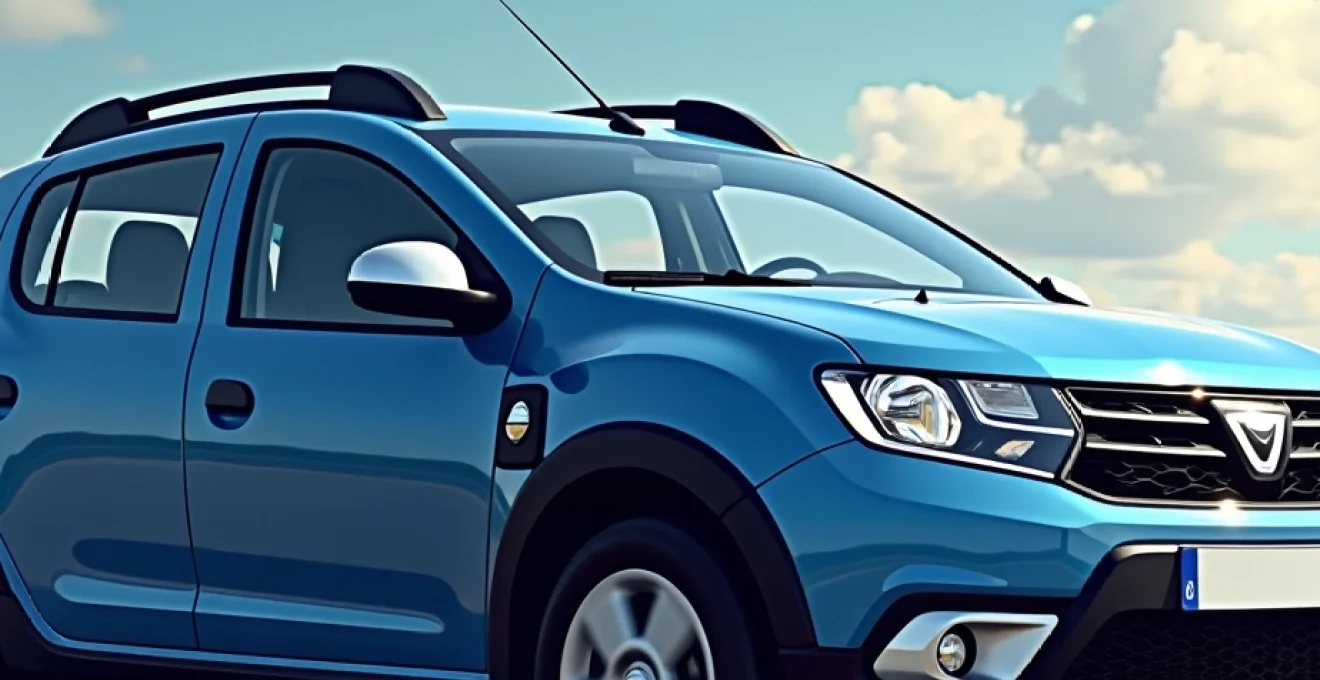
Dacia’s Bi-Fuel vehicles, including the popular Sandero and Duster models, have carved out a unique niche in the UK automotive market by offering factory-fitted LPG systems at no additional cost. However, recent developments have highlighted significant challenges facing these dual-fuel vehicles. The Romanian manufacturer has temporarily suspended production of its Bi-Fuel range due to LPG supply chain disruptions, leaving many current owners concerned about long-term viability and potential issues.
The reality is that LPG systems, whilst offering substantial fuel cost savings, introduce additional complexity to vehicle operation. Understanding the common problems associated with Dacia Bi-Fuel systems becomes crucial for owners seeking to maintain their vehicles effectively. From component failures to fuel switching malfunctions, these issues can significantly impact your driving experience and vehicle reliability. The current shortage of qualified technicians capable of servicing LPG systems only compounds these concerns, making problem prevention and early detection more important than ever.
LPG system component failures in dacia sandero and logan models
The heart of any LPG conversion lies in its intricate component network, and Dacia’s factory-fitted systems are no exception. These vehicles typically utilise either OMVL or BRC conversion kits, both of which have proven susceptible to specific failure patterns that manifest across the model range. Component degradation often occurs gradually, making early detection challenging for the average driver.
Reducer diaphragm membrane deterioration
The LPG reducer serves as the system’s pressure regulation hub, converting high-pressure liquid gas into low-pressure vapour suitable for engine combustion. Within this critical component, the diaphragm membrane experiences constant pressure cycling, leading to material fatigue over time. When this membrane begins to deteriorate, you’ll notice irregular idle speeds, particularly when switching between fuel modes.
Membrane failure typically presents itself through distinctive symptoms that owners should recognise immediately. The engine may exhibit rough idling specifically on LPG mode, whilst running smoothly on petrol. Additionally, you might experience difficulty maintaining consistent engine speeds during warm-up periods, with the vehicle occasionally stalling when stationary. Temperature fluctuations can exacerbate these issues, as the membrane’s elasticity decreases with age and exposure to varying thermal conditions.
Injector rail blockages and calibration issues
LPG injectors operate under fundamentally different principles compared to their petrol counterparts, requiring precise calibration to ensure optimal fuel delivery. Over time, these injectors can become blocked with debris or suffer from calibration drift, resulting in uneven fuel distribution across cylinders. This problem is particularly prevalent in vehicles that haven’t received proper LPG system maintenance.
Blockages typically develop gradually, with initial symptoms including slight power reduction and increased fuel consumption on LPG mode. As the problem progresses, you may notice engine hesitation during acceleration, particularly when overtaking or climbing hills. The three-cylinder configuration common to Dacia’s 1.0 TCe engine makes individual cylinder misfires more noticeable, creating a distinctive vibration pattern that experienced drivers can identify.
Pressure sensor malfunction in OMVL and BRC systems
Pressure sensors within the LPG system monitor gas pressure at various points throughout the fuel delivery process. These sensors provide crucial feedback to the engine control unit, ensuring appropriate fuel mixture adjustments. When pressure sensors malfunction, the engine management system may default to safety modes or prevent LPG operation entirely.
Sensor failures often manifest as intermittent problems that can frustrate both owners and technicians. You might experience sudden switching back to petrol mode without warning, accompanied by dashboard warning lights. Temperature extremes can trigger temporary sensor malfunctions, explaining why some owners report problems primarily during winter months or after extended parking in direct sunlight.
ECU communication errors with bosch ME7.4.9
The Bosch ME7.4.9 engine control unit fitted to many Dacia Bi-Fuel models must communicate effectively with the LPG control system to ensure seamless operation. Communication errors between these systems can result in complete LPG system shutdown, leaving you dependent solely on petrol operation until repairs are completed.
These communication failures typically present as dashboard warning lights, including the check engine light and LPG system indicators. The vehicle may refuse to switch to LPG mode entirely, despite having adequate gas supplies. In some cases, you might experience reduced engine performance even on petrol mode, as the ECU attempts to accommodate what it perceives as LPG system demands.
Fuel switching mechanism defects
The ability to seamlessly switch between petrol and LPG represents one of the primary advantages of Bi-Fuel vehicles. However, this switching mechanism relies on various components working in perfect harmony, and failures in any element can compromise the entire system’s functionality. Understanding these switching defects helps owners recognise problems early and avoid more serious complications.
Changeover valve solenoid failures
Changeover valves control the flow of each fuel type to the engine, operating through electromagnetic solenoids that respond to control signals. These solenoids experience frequent activation cycles throughout normal driving, leading to eventual wear and failure. When solenoids malfunction, you may find yourself unable to switch between fuel types or experience incomplete fuel changeover.
Solenoid failures often begin with intermittent operation, where switching between fuels becomes unreliable. You might press the dashboard switch multiple times before achieving successful changeover, or notice delayed response when switching fuel types. Eventually, complete solenoid failure will prevent switching entirely, potentially stranding you with limited fuel options depending on which mode fails.
Temperature-based switching logic problems
Dacia’s LPG systems incorporate temperature-based switching logic designed to prevent LPG operation until the engine reaches adequate operating temperature. This protection mechanism prevents potential engine damage from running on LPG when components are too cold for proper vaporisation. However, temperature sensor failures or control logic errors can disrupt this protective function.
When temperature-based switching malfunctions, you might experience extended periods running on petrol even after the engine has warmed sufficiently. Alternatively, the system might attempt to switch to LPG prematurely, causing rough running or stalling during warm-up periods. These problems become particularly noticeable during winter months when engine warm-up times extend naturally.
Manual switch button connectivity issues
The dashboard-mounted fuel selection switch provides manual control over fuel type selection, but its electrical connections can deteriorate over time. Poor connections result in unreliable switching commands, leaving you uncertain about which fuel type is actually being used. This problem is often intermittent, making diagnosis particularly challenging.
Switch connectivity problems typically manifest as non-responsive fuel switching or confusion between the selected mode and actual operation. You might notice the dashboard indicator showing LPG mode whilst the engine continues running on petrol, or vice versa. Electrical contact cleaning sometimes provides temporary relief, but permanent solutions usually require switch replacement.
Automatic mode selection malfunctions
Some Dacia Bi-Fuel systems include automatic mode selection features that choose the most appropriate fuel type based on driving conditions and system status. When these automatic functions malfunction, the vehicle may make inappropriate fuel selections or fail to switch when conditions warrant changeover.
Automatic selection problems can result in continued petrol operation despite adequate LPG supplies and appropriate operating conditions. Conversely, the system might attempt LPG operation under unsuitable circumstances, leading to poor engine performance or potential damage. These malfunctions often require diagnostic equipment to identify properly, as symptoms can be subtle and variable.
Engine performance degradation on LPG mode
Many Dacia Bi-Fuel owners notice differences in engine performance between petrol and LPG operation, but significant degradation may indicate underlying system problems. LPG naturally produces slightly less power than petrol due to its different combustion characteristics, but excessive performance losses suggest maintenance issues or component failures requiring attention.
Normal LPG operation should provide approximately 90-95% of petrol performance, with slightly reduced acceleration and top-end power. However, when you experience dramatic performance reductions, hesitation during acceleration, or inability to maintain highway speeds on LPG, underlying problems likely exist. These issues often develop gradually, making them difficult to notice until they become severe.
Common causes of excessive performance degradation include incorrect fuel mixture calibration, partially blocked injectors, or inadequate gas pressure regulation. The LPG system’s electronic control unit may require recalibration following component replacement or after extended periods of disuse. Professional diagnostic equipment can identify specific performance parameters outside normal ranges, guiding appropriate repair strategies.
Professional technicians report that many Dacia Bi-Fuel performance issues stem from inadequate system maintenance rather than fundamental design flaws, emphasising the importance of specialised LPG service intervals.
Temperature variations can significantly affect LPG performance, with cold weather often exacerbating existing problems. The gas vaporisation process becomes less efficient in low temperatures, potentially causing lean running conditions that reduce power output. Conversely, extremely hot weather can cause over-rich mixtures, leading to different performance characteristics and potential engine knock.
Addressing performance degradation typically requires comprehensive system analysis, including pressure testing, injector flow rate verification, and electronic control unit parameter checking. Simple solutions like filter replacement or injector cleaning may resolve minor issues, but significant problems often require component replacement or system recalibration by specialists familiar with LPG conversion systems.
Cold start problems in Bi-Fuel configuration
Cold starting represents one of the most challenging operational aspects of LPG systems, as liquid petroleum gas requires adequate heat for proper vaporisation. Dacia’s Bi-Fuel vehicles typically start on petrol before switching to LPG once operating temperature is achieved, but various problems can disrupt this carefully orchestrated process.
Petrol prime system inadequacies
The petrol prime system ensures adequate fuel delivery during startup and warm-up periods before LPG operation becomes viable. This system must maintain proper fuel pressure and delivery despite potentially long periods of inactivity when the vehicle operates primarily on LPG. Inadequate priming can result in difficult starting or rough running during initial warm-up phases.
Prime system problems often manifest as extended cranking times during startup, particularly after the vehicle has been parked for several days. You might notice the engine struggling to maintain idle speed during the first few minutes of operation, with improvement occurring only after the engine reaches normal operating temperature. These symptoms indicate potential fuel system contamination or component degradation within the petrol delivery network.
LPG vaporisation delays below 10°C
LPG vaporisation becomes increasingly challenging as ambient temperatures drop, with significant delays occurring below 10°C. The system’s heat exchanger relies on engine coolant temperature to facilitate gas conversion, but insufficient heat transfer can prevent proper LPG operation even after extended warm-up periods.
During winter months, you may notice extended periods of petrol-only operation, with automatic switching to LPG delayed significantly beyond normal parameters. Some vehicles may refuse to switch to LPG entirely during extremely cold conditions, effectively operating as petrol-only vehicles until temperatures rise. This behaviour, while potentially frustrating, often represents protective measures preventing engine damage from inadequate fuel vaporisation.
Idle speed control valve complications
Idle speed control valves must accommodate the different combustion characteristics of petrol and LPG, adjusting air flow to maintain consistent engine speeds across both fuel types. When these valves malfunction or become contaminated, you may experience unstable idling, particularly during fuel switching operations or warm-up periods.
Valve complications typically present as fluctuating idle speeds, with the engine racing briefly before settling to normal speed, or conversely, threatening to stall before recovering. These problems may be more pronounced on LPG than petrol, as the gas fuel requires different air-fuel mixture ratios for optimal combustion. Professional cleaning or valve replacement often resolves these issues, but diagnosis requires specialist knowledge of dual-fuel engine management systems.
Tank and fuel line system complications
The LPG storage and delivery system represents a critical component network that must maintain integrity under varying pressure and temperature conditions. Dacia Bi-Fuel vehicles typically feature a 62-litre LPG tank mounted in the spare wheel well, connected to the engine through a network of specialised high-pressure lines and components designed to handle liquefied petroleum gas safely.
Tank-related problems can range from minor pressure regulation issues to major structural concerns requiring immediate attention. The high-pressure nature of LPG storage means that even small leaks can result in significant fuel loss and potential safety hazards. Regular inspection of tank mounting, valve assemblies, and connecting lines becomes essential for maintaining system integrity and operational safety.
Fuel line complications often develop gradually, with initial symptoms including reduced LPG system performance or occasional switching difficulties. As problems progress, you may notice the distinctive smell of LPG around the vehicle, particularly near the rear where the tank is located. Any suspicion of LPG leakage requires immediate professional attention, as the gas is heavier than air and can accumulate in low areas, creating potential ignition hazards.
Industry statistics indicate that approximately 15% of LPG system problems relate to tank and fuel line complications, with proper installation and regular maintenance significantly reducing failure rates.
Pressure regulation within the tank system requires precise control to ensure consistent fuel delivery under varying operating conditions. Temperature fluctuations cause pressure variations that must be accommodated by relief valves and pressure regulators throughout the system. When these components malfunction, you might experience inconsistent LPG performance or complete system shutdown as protective measures activate.
The complexity of tank system diagnosis often requires specialised equipment capable of pressure testing and leak detection specifically designed for LPG applications. Standard automotive diagnostic tools may not adequately assess LPG system integrity, necessitating visits to facilities equipped with appropriate testing equipment and qualified technicians experienced in dual-fuel system maintenance.
Diagnostic trouble codes specific to dacia Bi-Fuel systems
Modern Dacia Bi-Fuel vehicles generate specific diagnostic trouble codes related to LPG system operation, providing valuable insights into system malfunctions and component failures. Understanding these codes helps owners communicate effectively with service technicians and make informed decisions about repair priorities and urgency.
LPG-specific trouble codes typically begin with manufacturer-specific prefixes that differentiate them from standard engine management codes. These codes address various aspects of dual-fuel operation, including fuel switching mechanisms, pressure regulation, injector operation, and system communication protocols. Professional diagnostic equipment designed for LPG systems can retrieve and interpret these codes accurately, providing precise guidance for repair procedures.
Common diagnostic patterns include codes related to fuel switching delays, pressure sensor malfunctions, and injector performance issues. You might encounter codes indicating communication failures between the engine control unit and LPG system controller, or warnings about fuel mixture adaptation limits being exceeded. Each code category requires specific diagnostic approaches and repair strategies tailored to dual-fuel system operation.
The diagnostic process for Bi-Fuel systems often requires multiple scanning sessions using different equipment types to capture both engine management and LPG system codes comprehensively. Standard OBD-II scanners may detect some issues but lack the capability to access LPG-specific parameters and live data streams necessary for thorough system analysis. This limitation explains why many general automotive service facilities struggle to diagnose and repair LPG system problems effectively.
Interpreting diagnostic codes requires understanding the interaction between petrol and LPG systems, as problems in one fuel system can affect the operation of the other. For example, petrol system issues may prevent proper LPG switching, whilst LPG problems can influence engine management strategies even when running on petrol. This interconnected relationship necessitates comprehensive system analysis rather than isolated component testing.
Professional LPG technicians often maintain databases of common code patterns and their associated repair procedures, developed through extensive experience with various conversion systems and vehicle applications. This expertise becomes particularly valuable when dealing with intermittent problems or complex fault interactions that may not be immediately apparent through standard diagnostic procedures.