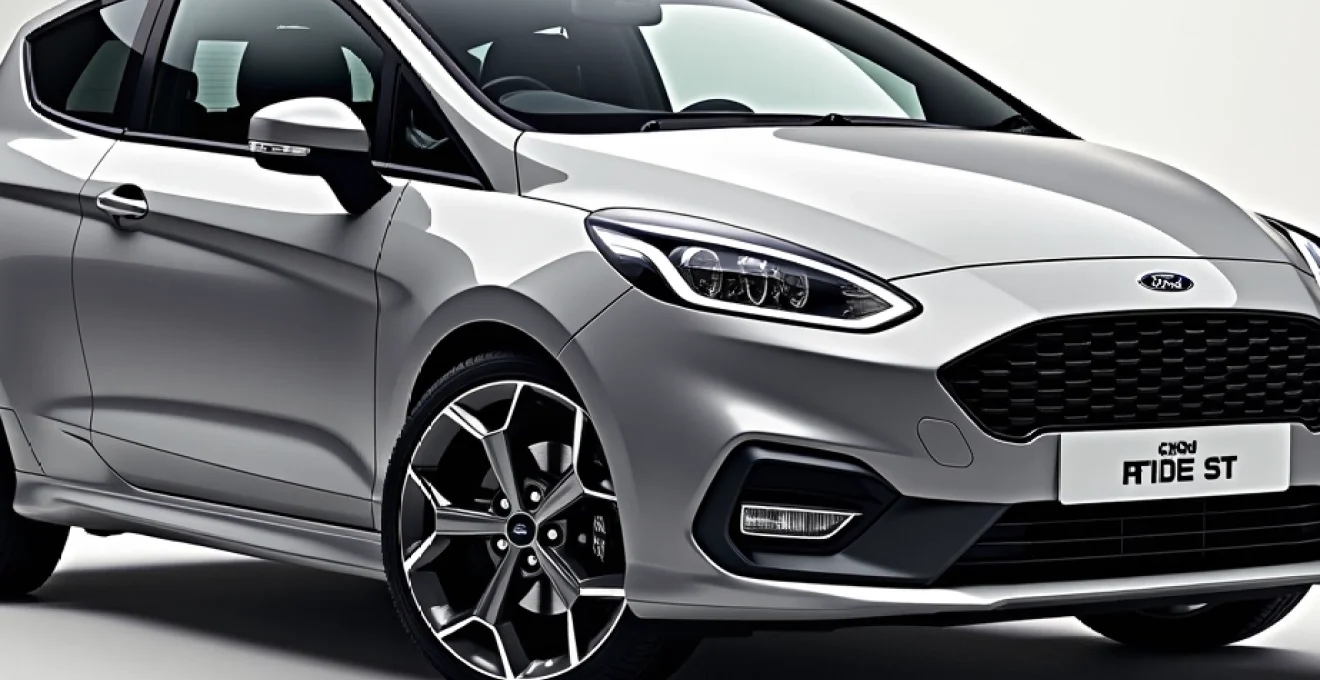
The Ford Fiesta ST represents one of the most accomplished hot hatches ever produced, combining sophisticated engineering with accessible performance in a compact package. This comprehensive technical specification explores the intricate details that make the Fiesta ST such a compelling proposition for enthusiasts seeking maximum driving enjoyment. From its advanced three-cylinder turbo engine to its precisely tuned suspension architecture, every component has been carefully calibrated to deliver an exceptional driving experience. The grey colour options available for the Fiesta ST add an understated elegance to what is fundamentally a serious performance machine, one that continues to set benchmarks in the competitive supermini sports segment.
Ford fiesta ST engine specifications and performance metrics
1.5-litre EcoBoost Three-Cylinder turbo engine analysis
The heart of the Ford Fiesta ST lies in its remarkable 1.5-litre EcoBoost three-cylinder turbocharged petrol engine, a powerplant that defies conventional wisdom about cylinder count and performance potential. This advanced unit produces 200 horsepower at 6,000rpm, delivering power levels that would have required significantly larger displacement engines just a decade ago. The engine’s compact architecture allows for optimal weight distribution while maintaining the low centre of gravity essential for dynamic handling characteristics.
Ford’s engineers implemented cylinder deactivation technology within this three-cylinder configuration, allowing the engine to operate on just two cylinders during light-load conditions. This innovative approach reduces fuel consumption by up to 6% during highway cruising, whilst maintaining the responsive character that defines the ST experience. The engine management system seamlessly transitions between two and three-cylinder operation, with transitions occurring so smoothly that drivers rarely notice the change in operation mode.
Power output and torque delivery characteristics
Peak torque output reaches an impressive 320 Newton-metres between 1,750 and 4,500rpm, providing exceptional mid-range flexibility that transforms everyday driving scenarios. This broad torque plateau ensures that overtaking manoeuvres require minimal downshifting, whilst the engine pulls strongly from as low as 1,500rpm in higher gears. The specific power output of 133bhp per litre demonstrates the advanced state of Ford’s EcoBoost technology.
The turbocharger spools rapidly thanks to the engine’s compact combustion chambers and optimised exhaust port design. Turbo lag is virtually eliminated, with meaningful boost pressure available from just 1,200rpm. Maximum boost pressure reaches 1.4 bar, controlled by an electronic wastegate that provides precise pressure regulation across the entire rev range. This electronic control system adjusts boost delivery based on throttle position, engine speed, and ambient conditions.
Cylinder head design and variable valve timing system
The aluminium cylinder head incorporates Ford’s Ti-VCT (Twin Independent Variable Camshaft Timing) system, which independently adjusts both intake and exhaust camshaft timing for optimal performance across all operating conditions. The intake valves measure 32mm in diameter, whilst exhaust valves are sized at 27mm, providing excellent breathing characteristics for such a compact displacement. Direct fuel injection operates at pressures up to 200 bar, ensuring precise fuel metering and optimal combustion efficiency.
Valve timing can be adjusted by up to 50 degrees on the intake side and 25 degrees on the exhaust side, allowing the engine to optimise volumetric efficiency for both low-end torque production and high-rpm power output. The cylinder head design incorporates integrated exhaust manifold casting, reducing weight whilst improving thermal efficiency through faster warm-up characteristics. This integrated approach also contributes to the engine’s compact overall dimensions.
Intercooler configuration and boost pressure management
A large air-to-air intercooler mounted ahead of the radiator ensures consistent charge air temperatures even during sustained high-performance driving. The intercooler core measures 600mm wide by 200mm tall, with a core thickness of 60mm, providing exceptional cooling efficiency whilst minimising pressure drop across the system. Charge air temperatures are maintained below 50°C above ambient under most operating conditions.
The electronic boost control system utilises feedback from multiple sensors to maintain optimal boost pressure across varying atmospheric conditions. Altitude compensation automatically adjusts boost targets to maintain consistent power output up to elevations of 3,000 metres. The system also incorporates overboost functionality, providing an additional 20Nm of torque for up to 15 seconds during full-throttle acceleration, enhancing overtaking performance when maximum acceleration is required.
Transmission and drivetrain technical configuration
Six-speed manual gearbox ratios and shift dynamics
The Ford Fiesta ST employs a sophisticated six-speed manual transmission specifically calibrated for performance applications, featuring closer gear ratios than standard Fiesta variants. First gear provides a ratio of 3.62:1, optimised for rapid acceleration from standstill whilst avoiding excessive wheel spin on high-grip surfaces. Second gear’s 2.05:1 ratio bridges the gap to third gear’s 1.28:1 ratio, maintaining engine speed within the optimal power band during spirited driving.
Fourth, fifth, and sixth gears offer ratios of 0.95:1, 0.78:1, and 0.65:1 respectively, with sixth gear serving as an overdrive ratio for efficient cruising. The transmission incorporates flat-shift technology , allowing full-throttle upshifts without lifting the accelerator pedal. This system momentarily retards ignition timing during gear changes, maintaining turbo boost pressure and reducing shift times by up to 30% compared to conventional manual transmissions.
Limited-slip differential eLSD torque vectoring technology
Standard fitment on later ST variants includes a Quaife mechanical limited-slip differential, replacing the earlier electronic torque vectoring system. This helical gear-type differential provides progressive locking characteristics that distribute torque based on wheel speed differential and applied load. The Quaife unit operates automatically without requiring electronic intervention, providing consistent performance regardless of system electrical status.
Torque bias ratios can reach 3.5:1 under maximum loading conditions, effectively transferring power to the wheel with greater grip during cornering or low-traction situations. Unlike conventional limited-slip differentials that rely on clutch plates, the helical gear design provides smooth operation with minimal maintenance requirements. The system proves particularly effective during track driving, where consistent cornering performance is essential.
Clutch system specifications and engagement parameters
The single-disc clutch system features a 215mm diameter friction disc specifically designed to handle the engine’s substantial torque output whilst maintaining precise pedal feel. Spring pressure totals 5,500 Newtons, providing secure engagement under high-stress conditions without creating excessive pedal effort. The clutch disc incorporates torsional damping springs that smooth power delivery and reduce drivetrain shock during aggressive gear changes.
Clutch engagement occurs progressively over the final 30mm of pedal travel, providing excellent control for smooth launches and precise hill starts. The hydraulic actuation system utilises a master cylinder with 15.9mm bore diameter, creating mechanical advantage that reduces pedal effort whilst maintaining positive feel. Clutch assist springs reduce pedal load at the fully-depressed position, minimising driver fatigue during stop-and-go traffic conditions.
Final drive ratio and gear selection strategy
The differential incorporates a final drive ratio of 4.06:1, carefully selected to optimise acceleration whilst maintaining reasonable cruising engine speeds in top gear. This ratio allows the engine to reach its 6,800rpm redline in first gear at approximately 38mph, perfectly suited for autocross and track day applications where first-gear performance is crucial. The combination of gear ratios ensures that maximum power is accessible in every gear within legal speed limits.
Gear selection strategy prioritises maintaining engine speed within the 2,500-5,500rpm range during typical driving conditions, where torque production remains strong and throttle response stays sharp. The ratios are spaced to allow seamless downshifting during braking for corners, with each lower gear providing appropriate engine braking without overwhelming the rear wheels’ traction limits.
Chassis dynamics and suspension architecture
Macpherson strut front suspension geometry
The front suspension utilises a MacPherson strut configuration with carefully optimised geometry parameters that prioritise steering precision and cornering stability. Caster angle is set to 6.2 degrees, providing strong straight-line stability whilst generating sufficient self-centering torque for confident high-speed driving. Kingpin inclination measures 13.4 degrees, creating a scrub radius that enhances steering feel without introducing excessive kickback over surface irregularities.
Anti-dive characteristics are built into the suspension geometry through strategic positioning of the lower control arm mounting points. During hard braking, the suspension maintains 85% of its static ride height, preventing excessive nose-dive that could compromise braking performance or upset vehicle balance. The front track measures 1,535mm, providing a broad stance that enhances lateral stability during cornering manoeuvres.
Torsion beam rear axle configuration and tuning
The rear suspension employs a sophisticated torsion beam design that incorporates Ford’s patented Force Vectoring Springs technology. These directionally-wound coil springs create lateral forces during compression and extension cycles, effectively providing some of the benefits of a Watts linkage without the additional weight and complexity. The torsion beam itself features variable wall thickness, creating a carefully tuned twist axis that optimises wheel control during cornering.
Rear track width measures 1,531mm, creating a subtle 4mm difference from the front track that enhances turn-in response whilst maintaining stability during straight-line driving. The beam’s mounting points are positioned to create 2.1 degrees of passive rear steer during cornering, assisting the vehicle’s natural rotation whilst maintaining predictable handling characteristics. This passive steer effect reduces understeer tendencies without creating oversteer that might catch drivers unprepared.
Anti-roll bar diameter and spring rate specifications
The front anti-roll bar measures 23mm in diameter and utilises hollow construction to minimise weight whilst maintaining adequate stiffness. This bar provides 180 Newton-metres per degree of roll stiffness, carefully calibrated to work in harmony with the spring and damper settings. The rear anti-roll bar diameter is reduced to 18mm, creating a front-biased roll stiffness distribution that promotes controlled understeer during limit handling.
Front spring rates are set at 26 Newtons per millimetre, whilst rear springs provide 21 Newtons per millimetre of resistance. This 1.24:1 front-to-rear stiffness ratio creates a handling balance that feels natural to most drivers whilst providing the foundation for precise control during spirited driving. Spring rates are approximately 40% stiffer than standard Fiesta applications, striking a balance between handling precision and ride quality acceptable for daily use.
Damper valving and Compression-Rebound settings
The Ford Fiesta ST incorporates frequency-selective dampers that automatically adjust their characteristics based on suspension movement frequency. Low-frequency inputs, typically associated with body roll and pitch during cornering and braking, encounter higher damping rates that control body motions effectively. High-frequency inputs from road surface irregularities encounter reduced damping, allowing the suspension to follow road contours without transmitting excessive harshness to the cabin.
Compression damping rates are set 20% lower than rebound rates, allowing the suspension to react quickly to surface changes whilst maintaining controlled body motions. The dampers feature aluminium construction with monotube design, providing consistent performance even during extended track sessions where heat buildup can affect conventional twin-tube dampers. Progressive valving ensures that damping forces increase exponentially as suspension velocities rise, providing exceptional control during aggressive driving whilst maintaining comfort during normal operation.
Braking system and wheel specifications
The Ford Fiesta ST features a sophisticated braking system that combines large disc dimensions with advanced materials to provide exceptional stopping power and heat dissipation. Front discs measure 300mm in diameter with 25mm thickness, featuring a ventilated design with curved cooling vanes that enhance air circulation. These discs are manufactured from high-carbon cast iron that resists warping under extreme thermal stress, maintaining consistent pedal feel even during track day sessions.
Rear disc brakes measure 253mm in diameter with solid construction optimised for the rear axle’s lower heat generation requirements. The brake system incorporates four-piston front calipers finished in distinctive red paint, whilst single-piston sliding calipers handle rear brake duties. Total system capacity allows for repeated stops from 100mph with minimal fade, whilst pedal travel remains consistent throughout extended use.
Standard wheel specification includes 18-inch alloy wheels with a distinctive five-spoke design finished in Magnetite Grey. These wheels measure 7.5 inches wide with an ET47 offset that positions the contact patch optimally within the wheel wells. The wheels are manufactured using flow-forming technology that creates lightweight construction whilst maintaining structural integrity under high cornering loads. Each wheel weighs just 9.8kg, reducing unsprung mass compared to conventional cast construction.
Michelin Pilot Super Sport tyres in 215/40ZR18 specification provide exceptional grip levels and predictable handling characteristics across a wide range of operating conditions. These tyres feature asymmetric tread patterns optimised for both wet and dry performance, with compound formulations that maintain flexibility across temperature ranges from -10°C to +80°C. The tyre construction incorporates twin steel belt layers with spirally-wound nylon cap plies that resist deformation at high speeds.
Interior technology and infotainment system features
The Ford Fiesta ST’s cabin integrates advanced technology systems within a driver-focused environment that prioritises ergonomics and functionality. The centrepiece is an 8-inch colour touchscreen running Ford’s SYNC 3 infotainment system, which provides smartphone integration through both Apple CarPlay and Android Auto connectivity. The system processes voice commands in natural language, allowing drivers to control navigation, audio, and communication functions without removing hands from the steering wheel.
The instrument cluster combines traditional analogue gauges with a 4.2-inch colour information display that presents vehicle data, trip information, and performance metrics. During track driving modes, this display shows real-time data including boost pressure, oil temperature, and lap timing functions. The steering wheel integrates comprehensive controls for audio, cruise control, and voice activation, with all switches positioned within easy thumb reach from the rim.
Climate control operates through automatic dual-zone systems that maintain precise temperature control whilst minimising energy consumption. The system incorporates air quality sensors that automatically switch to recirculation mode when external pollution levels rise above predetermined thresholds. Heated seats feature three-stage temperature control with memory functions that recall individual driver preferences.
The B&O Play premium audio system includes ten speakers strategically positioned throughout the cabin, including a dedicated subwoofer mounted in the rear parcel shelf. Total system output reaches 675 watts, with digital signal processing that optimises sound staging for both front and rear passengers. The system incorporates acoustic tuning specifically calibrated for the Fiesta ST’s interior dimensions and materials, ensuring optimal frequency response across all volume levels.
Grey paint options and exterior aesthetic elements
Ford offers the Fiesta ST in several sophisticated grey paint options that complement the vehicle’s aggressive yet refined aesthetic design. Magnetic Grey represents the most popular choice, featuring a metallic finish with fine aluminium particles that create depth and lustre under varying lighting conditions. This paint incorporates three-layer construction with primer, colour coat, and protective clear coat that resists UV degradation and maintains gloss levels throughout the vehicle’s lifespan.
Moondust Silver provides an alternative grey option with slightly warmer undertones and larger metallic particles that create more dramatic colour shifts depending on viewing angle. Both grey variants incorporate Ford’s advanced paint technology that includes scratch-resistant properties and enhanced durability against stone chips and environmental contaminants. The paint process utilises electrostatic application methods that ensure uniform coverage and optimal adhesion to the steel and aluminium body panels.
Exterior design elements specific to the ST variant include aggressive front and rear bumper extensions, side skirts, and a roof-mounted spoiler that provides measurable downforce at highway speeds. The front grille features a honeycomb pattern finished in gloss black, whilst ST badging appears on the grille, tailgate, and front fender locations. Matrix LED headlights incorporate advanced beam pattern control that automatically adjusts light distribution based on traffic conditions and vehicle speed.
The rear spoiler generates 12kg of downforce at 100mph whilst adding minimal drag penalty during normal driving conditions. Dual exhaust outlets feature 90mm diameter tips with internal baffles that create the distinctive ST exhaust note whilst meeting strict noise regulations. The rear diffuser incorporates functional aerodynamic elements that
help reduce air pressure underneath the vehicle, contributing to overall aerodynamic efficiency. The side skirts extend 25mm below the standard Fiesta rocker panels, creating a visual connection between the aggressive front and rear styling elements whilst providing practical protection against road debris and stone chips.Chrome delete packages are available for customers preferring a more understated appearance, replacing bright trim elements with gloss black alternatives that complement the grey paint schemes perfectly. The door handles, window surrounds, and mirror caps can all be specified in matching body colour or contrasting black finishes, allowing owners to personalise their vehicle’s aesthetic character according to individual preferences.Performance-oriented visual enhancements include functional brake cooling ducts integrated into the front bumper design, whilst the rear bumper incorporates a racing-inspired diffuser that channels airflow efficiently away from the vehicle’s underbody. These aerodynamic elements work in conjunction with the lowered suspension to create a cohesive performance aesthetic that signals the ST’s serious dynamic capabilities.The distinctive ST wheel design features directional spokes that create visual movement even when stationary, whilst the Magnetite Grey finish coordinates perfectly with the available grey paint options. Behind the wheels, red-painted brake calipers provide a striking contrast that emphasises the vehicle’s performance credentials, visible through the wheel spokes to create an additional visual focal point.Body-coloured mirror caps incorporate integrated LED turn signal repeaters that enhance visibility whilst maintaining the clean aesthetic lines that characterise the ST’s exterior design. These mirrors also feature convex glass elements in the outer sections, providing enhanced peripheral vision during lane changes and parking manoeuvres without compromising the mirror’s primary function or visual appeal.The rear window incorporates a subtle privacy tint that complements the grey paint schemes whilst providing practical benefits for rear passenger comfort during sunny conditions. This tinting extends to the rear quarter windows, creating a cohesive appearance that enhances the vehicle’s sophisticated character whilst maintaining the aggressive stance that defines the ST variant.Exterior lighting elements include LED daytime running lights that create a distinctive signature appearance, whilst the rear LED taillights incorporate sequential turn signal activation that adds a premium touch to the vehicle’s lighting functionality. These advanced lighting systems not only enhance visibility and safety but also contribute to the ST’s modern, technology-focused aesthetic that appeals to performance-oriented buyers seeking contemporary design elements.