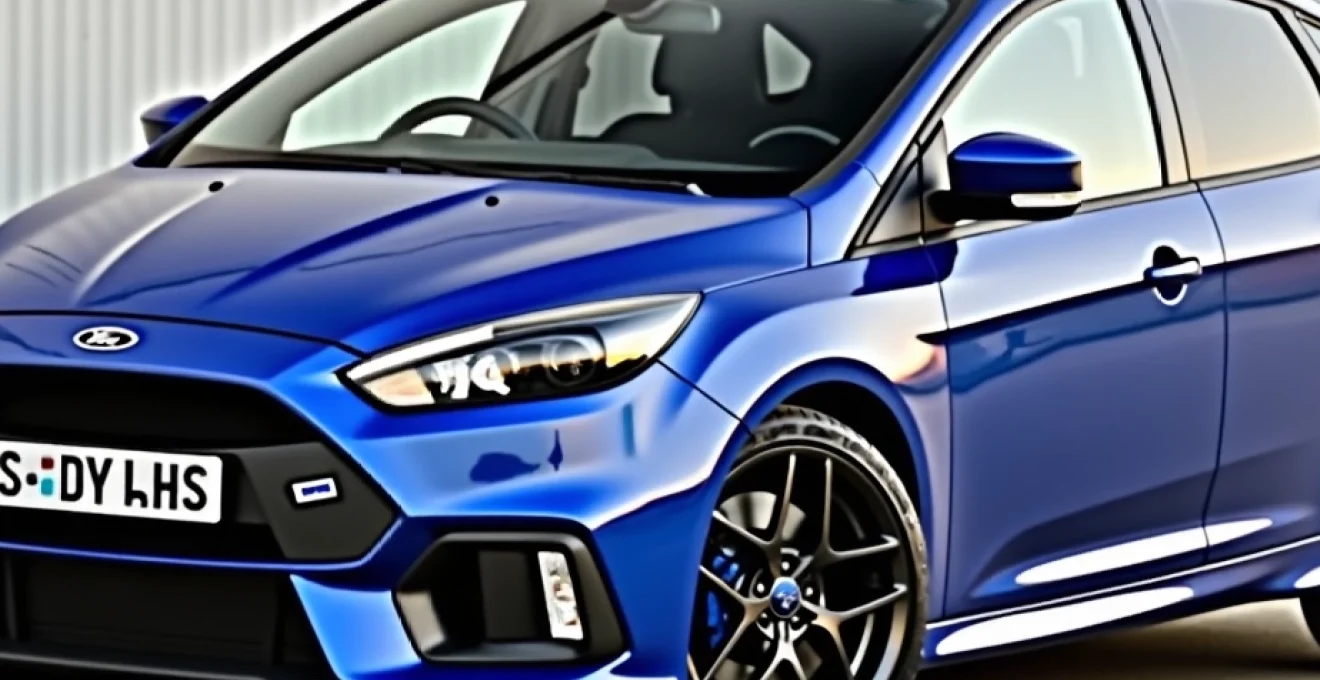
The Ford Focus ST 2017 represents a compelling proposition for enthusiasts seeking a balance between everyday practicality and genuine performance credentials. This third-generation model, launched during the twilight years of the Mk3 Focus platform, delivered refined dynamics alongside the brand’s proven EcoBoost technology. With production ending in 2018, the 2017 model year represents one of the most developed iterations of this celebrated hot hatch, incorporating years of refinements and updates that addressed earlier concerns about torque steer and overall refinement.
Market dynamics have shifted considerably since the Focus ST’s discontinuation, with values stabilising and appreciation becoming increasingly likely for well-maintained examples. The 2017 model year benefits from Ford’s comprehensive understanding of the platform, featuring enhanced suspension calibration, improved interior materials, and the mature SYNC 3 infotainment system. For prospective buyers, understanding the technical nuances and potential issues becomes crucial when evaluating these increasingly sought-after performance hatches.
Ford focus ST 2017 EcoBoost engine performance and reliability assessment
The heart of the 2017 Focus ST remains Ford’s acclaimed 2.0-litre EcoBoost engine, producing 250PS and 360Nm of torque. This direct-injection turbocharged unit represents a mature evolution of Ford’s downsized engine strategy, delivering impressive performance figures whilst maintaining reasonable fuel consumption. The engine architecture utilises twin independent variable cam timing, advanced engine management systems, and a sophisticated cooling strategy to manage the significant thermal loads generated by the high-performance application.
2.0-litre EcoBoost turbocharger system analysis and common failure points
The BorgWarner K03 turbocharger fitted to the 2017 Focus ST demonstrates excellent reliability when maintained correctly, though several common failure modes require attention during pre-purchase inspection. Turbocharger bearing wear typically manifests through excessive oil consumption, blue smoke from the exhaust under load, or whistling sounds during acceleration. The wastegate actuator mechanism can develop sticking issues, particularly on vehicles subjected to aggressive driving patterns or inadequate servicing intervals.
Boost pressure irregularities often indicate developing turbocharger problems, with symptoms including reduced power output, erratic idle characteristics, and illuminated engine management warnings. Professional diagnostic equipment can reveal boost pressure deviations that may not be immediately apparent during casual test drives. The turbocharger’s oil feed and return lines require particular scrutiny, as blocked return passages can cause premature bearing failure and catastrophic turbocharger damage.
Direct injection system maintenance requirements and carbon build-up prevention
Direct injection technology delivers significant efficiency and performance benefits, but introduces specific maintenance challenges that buyers must understand. Carbon deposits accumulate on intake valves over time, as fuel injection occurs directly into the combustion chamber rather than washing over the inlet ports. This phenomenon becomes particularly pronounced on vehicles operated predominantly in urban conditions or subjected to frequent short journeys that prevent the engine reaching optimal operating temperatures.
Symptoms of excessive carbon build-up include rough idle characteristics, reduced power output, increased fuel consumption, and engine knock under load. Professional walnut blasting represents the most effective cleaning method, though this service typically costs between £300-500 and requires specialist equipment. Prevention strategies include regular use of quality fuel additives, occasional high-RPM operation to burn deposits, and adherence to manufacturer service intervals using approved oil specifications.
Twin-scroll turbocharger wastegate actuator inspection protocol
The wastegate actuator system controls boost pressure through precise regulation of exhaust gas bypass around the turbine housing. Mechanical actuators can develop sticking or binding issues, whilst electronic actuators may suffer from position sensor failures or motor problems. During inspection, listen for unusual whistling or fluttering sounds during acceleration, which may indicate wastegate malfunction or boost leak development.
Boost pressure testing requires professional diagnostic equipment to measure actual versus requested boost levels across the rev range. Deviations exceeding manufacturer tolerances suggest developing actuator problems or boost system leaks. The vacuum lines connecting to mechanical actuators represent common failure points, with perished rubber causing boost pressure irregularities and reduced performance. Comprehensive boost system pressure testing should form part of any thorough pre-purchase inspection process.
Intercooler efficiency testing and heat soak mitigation strategies
The front-mounted intercooler system manages intake air temperatures to prevent knock and maintain consistent performance levels. Heat soak becomes problematic during extended high-load operation, particularly in warm ambient conditions or stop-start traffic scenarios. Damaged intercooler cores from road debris impact can cause boost leaks and reduced efficiency, though these issues may not manifest during brief test drives.
Intercooler efficiency testing involves measuring intake air temperatures before and after the heat exchanger under various load conditions. Temperature differentials exceeding manufacturer specifications indicate reduced cooling efficiency or internal damage. The intercooler pipework and joints require inspection for signs of oil contamination, which may suggest turbocharger bearing wear or crankcase ventilation problems. Aftermarket intercooler upgrades can improve thermal performance, though installation quality and warranty implications require careful consideration.
Chassis dynamics and suspension component evaluation
The 2017 Focus ST utilises a sophisticated suspension configuration designed to balance performance handling with acceptable ride quality for daily use. Ford’s engineers refined the setup throughout the model’s production run, addressing earlier criticisms regarding excessive torque steer and harsh low-speed ride characteristics. The resulting package delivers impressive cornering ability whilst maintaining reasonable comfort levels across varied road surfaces.
Macpherson strut front suspension wear pattern identification
The front suspension employs MacPherson struts with coil springs and anti-roll bar connections, providing precise steering response and excellent cornering control. Common wear patterns include strut bearing deterioration, evident through grinding noises during steering input or clunking sounds over bumps. Spring seat corrosion can cause premature spring failure, particularly on vehicles operated in harsh winter conditions with regular salt exposure.
Shock absorber degradation typically manifests through reduced damping control, excessive body roll during cornering, or bouncing characteristics over undulating road surfaces. Professional suspension testing equipment can quantify damping performance and identify developing problems before they affect vehicle safety or handling characteristics. The anti-roll bar drop links represent common failure points, with worn bushes causing knocking sounds and reduced stability during cornering manoeuvres.
Torsion beam rear axle geometry and handling characteristics
The rear suspension utilises a torsion beam configuration with coil springs and telescopic dampers, providing cost-effective manufacturing whilst delivering acceptable handling characteristics. This system offers less adjustment capability than fully independent arrangements but proves adequate for the Focus ST’s performance envelope. Rear shock absorber wear follows similar patterns to front units, though the reduced loads typically result in longer service intervals.
Torsion beam bearing wear can cause rear axle positioning problems, affecting wheel alignment and tyre wear patterns. The rear anti-roll bar system includes mounting points that can suffer from bush deterioration, causing handling inconsistencies and noise during cornering. Comprehensive geometry measurement should be undertaken if irregular tyre wear patterns suggest alignment problems or suspension component deterioration.
Electronic stability programme (ESP) calibration and torque vectoring analysis
The 2017 Focus ST incorporates advanced electronic stability systems designed to manage the substantial torque output whilst maintaining vehicle control. The ESP system monitors wheel speeds, steering angle, and lateral acceleration to detect potential stability issues and apply corrective measures through selective brake application. Torque vectoring control supplements the ESP system by reducing power delivery and applying targeted braking to maintain traction during aggressive cornering.
System calibration problems can manifest through excessive intervention during normal driving, inadequate response during emergency manoeuvres, or warning light illumination. Diagnostic equipment can reveal stored fault codes and monitor system operation during dynamic testing. The ABS sensors and wiring represent common failure points, with damaged sensors causing erratic system behaviour or complete deactivation of stability control functions.
Quaife Limited-Slip differential upgrade compatibility assessment
Many Focus ST owners consider aftermarket limited-slip differential installation to address the inherent traction limitations of the open differential configuration. The Quaife ATB (Automatic Torque Biasing) differential represents a popular upgrade path, providing improved traction without the maintenance requirements of clutch-type systems. Installation requires specialist knowledge and typically costs £800-1200 including fitting and setup.
Compatibility considerations include drive shaft length variations, CV joint angles, and gearbox casing modifications required for proper fitment. The mechanical nature of the Quaife system eliminates the need for electronic integration, though professional setup ensures optimal performance characteristics. Existing differential wear patterns should be assessed before upgrade installation, as damaged gearbox components may require refurbishment or replacement during the conversion process.
Transmission systems and drivetrain configuration analysis
The 2017 Focus ST employed exclusively manual transmission configurations, utilising the robust MTX75 six-speed gearbox designed to handle the EcoBoost engine’s substantial torque output. This transmission represents a mature design with proven reliability, though specific maintenance requirements and common failure modes require understanding during the evaluation process. The gear ratios provide excellent performance characteristics whilst maintaining reasonable fuel economy during cruising conditions.
Clutch system durability varies significantly based on driving style and maintenance history, with the dual-mass flywheel configuration requiring particular attention during inspection. The standard clutch assembly can handle moderate power increases but may require upgrading for vehicles subjected to frequent track use or significant engine modifications. Professional clutch condition assessment should form part of any comprehensive pre-purchase inspection, as replacement costs can exceed £1000 including labour charges.
The drive shaft and CV joint configuration demonstrates excellent reliability under normal operating conditions, though aggressive driving or suspension modifications can accelerate wear patterns. Inner CV joints typically outlast outer units, which bear greater loads during steering and suspension movement. Boot deterioration represents the most common failure mode, allowing contamination to enter the joint and causing premature wear. Regular inspection and prompt replacement of damaged boots can significantly extend CV joint service life and prevent costly drivetrain repairs.
The manual transmission’s mechanical simplicity provides excellent reliability and driving engagement, though proper maintenance and clutch system evaluation remain crucial for long-term satisfaction and performance retention.
Interior technology integration and infotainment system compatibility
The 2017 Focus ST benefits from Ford’s SYNC 3 infotainment system, representing a significant improvement over earlier SYNC generations in terms of responsiveness, functionality, and smartphone integration capabilities. The system provides comprehensive connectivity options including Android Auto and Apple CarPlay compatibility, addressing previous criticisms regarding outdated technology integration. The 8-inch touchscreen interface delivers intuitive operation whilst maintaining essential physical controls for frequently used functions.
SYNC 3 multimedia system software version requirements
SYNC 3 software updates provide enhanced functionality, improved stability, and expanded device compatibility, though update procedures require specific technical knowledge and compatible hardware. Version 3.0 and later releases offer the most comprehensive feature sets, including enhanced voice recognition, improved navigation functionality, and expanded smartphone integration options. Older software versions may exhibit compatibility problems with current mobile devices or demonstrate reduced system stability during operation.
Update procedures typically require formatted USB drives, specific file structures, and uninterrupted power supply during the installation process. Failed updates can render the system inoperable, requiring dealer intervention or specialist recovery procedures. Professional software update services ensure proper installation whilst maintaining warranty coverage and system functionality. The SYNC 3 hardware platform supports future updates, providing long-term compatibility with evolving smartphone technologies and connectivity standards.
Recaro performance seat bolster wear assessment criteria
The Recaro sports seats fitted to the Focus ST provide excellent support during spirited driving but demonstrate specific wear patterns that affect both comfort and resale value. Side bolster wear typically develops through repeated entry and exit cycles, with leather surfaces showing scuffing, cracking, or colour fade over time. The seat adjustment mechanisms can develop play or sticking issues, particularly the height adjustment and lumbar support systems.
Seat heating elements occasionally fail, causing uneven heating patterns or complete system failure. The electrical connections beneath the seats represent common failure points, with connector corrosion or wire damage causing intermittent operation. Professional seat refurbishment services can address wear issues, though costs often exceed £500 per seat for comprehensive restoration. Original equipment replacement seats command premium prices, making condition assessment crucial during the purchasing process.
Instrument cluster display pixel degradation and replacement options
The digital display elements within the instrument cluster can develop pixel degradation or complete section failures, particularly affecting the trip computer and warning message displays. These problems typically worsen over time and may eventually affect essential information display functions. Temperature extremes and vibration contribute to display deterioration, with no effective repair options beyond complete cluster replacement.
Replacement instrument clusters require professional coding to match vehicle specifications and mileage records, with costs typically ranging from £400-800 depending on specification levels. Used clusters offer cost savings but may introduce additional reliability concerns or compatibility problems. The analogue gauges demonstrate excellent reliability, though backlighting failures can occur and require specialist repair services. Comprehensive cluster functionality testing should include all display modes, warning systems, and illumination functions during the evaluation process.
Market valuation factors and depreciation curve analysis
The 2017 Focus ST occupies a unique position within the used performance car market, representing the final evolution of a celebrated platform whilst benefiting from Ford’s accumulated engineering knowledge. Market valuations have stabilised following the initial depreciation curve, with well-maintained examples commanding premium prices relative to earlier model years. The discontinuation of the Focus ST nameplate has created increased interest among enthusiasts, contributing to value retention and potential appreciation for exceptional examples.
Mileage considerations significantly impact market valuations, with sub-30,000-mile examples commanding substantial premiums over higher-mileage alternatives. Service history completeness and modification levels represent crucial valuation factors, with documented maintenance records and original specifications typically preferred by discerning buyers. Professional vehicle appraisal services can provide accurate market valuations for insurance and purchase guidance, particularly for modified or exceptional examples requiring specialist knowledge.
Regional market variations affect pricing structures, with metropolitan areas typically commanding higher values due to increased demand and lower supply levels. Seasonal fluctuations influence convertible and performance car markets, though the Focus ST’s practical nature moderates these effects compared to purely recreational vehicles. Insurance group classifications and running cost considerations affect long-term ownership economics, with the ST’s relatively modest classification supporting reasonable ongoing expenses for younger or less experienced drivers.
The 2017 Focus ST represents exceptional value within the current performance car landscape, offering genuine capability and refinement at price points significantly below equivalent new alternatives, though careful selection remains essential for optimal ownership experience.
Pre-purchase inspection checklist and documentation verification
Comprehensive pre-purchase inspection protocols should encompass mechanical, electrical, and cosmetic assessment procedures to identify potential issues and negotiate appropriate purchase terms. Professional inspection services typically cost £200-400 but can identify problems worth thousands in potential repair costs. The inspection process should include road testing under various conditions, diagnostic system interrogation, and detailed component examination using appropriate tools and expertise.
Documentation verification requires careful examination of service records, MOT history, and ownership documentation to confirm vehicle authenticity and maintenance standards. Outstanding finance checks prevent legal complications and ensure clear title transfer upon purchase completion. Comprehensive vehicle history reports reveal previous accident damage, insurance claims, and registration anomalies that may affect long-term reliability or resale values. The V5C registration document should match vehicle identification numbers and seller details to prevent fraud or identity issues.
- Engine bay inspection focusing on oil leaks, worn belts, and fluid contamination
- Suspension component assessment including shock absorber condition and bush wear
- Brake system evaluation covering disc condition, pad thickness, and fluid quality
- Interior functionality testing including all electrical systems and adjustment mechanisms
- Road test assessment covering performance, handling, and refinement characteristics
The road test should encompass urban, rural, and motorway conditions to assess all operational aspects and identify developing problems that may not manifest during stationary inspection. Particular attention should focus on turbocharger operation, transmission smoothness, and electronic system functionality under dynamic conditions. Professional diagnostic equipment can reveal stored fault codes and monitor live data parameters that indicate developing mechanical or electronic problems requiring attention or budget allocation for future repairs.