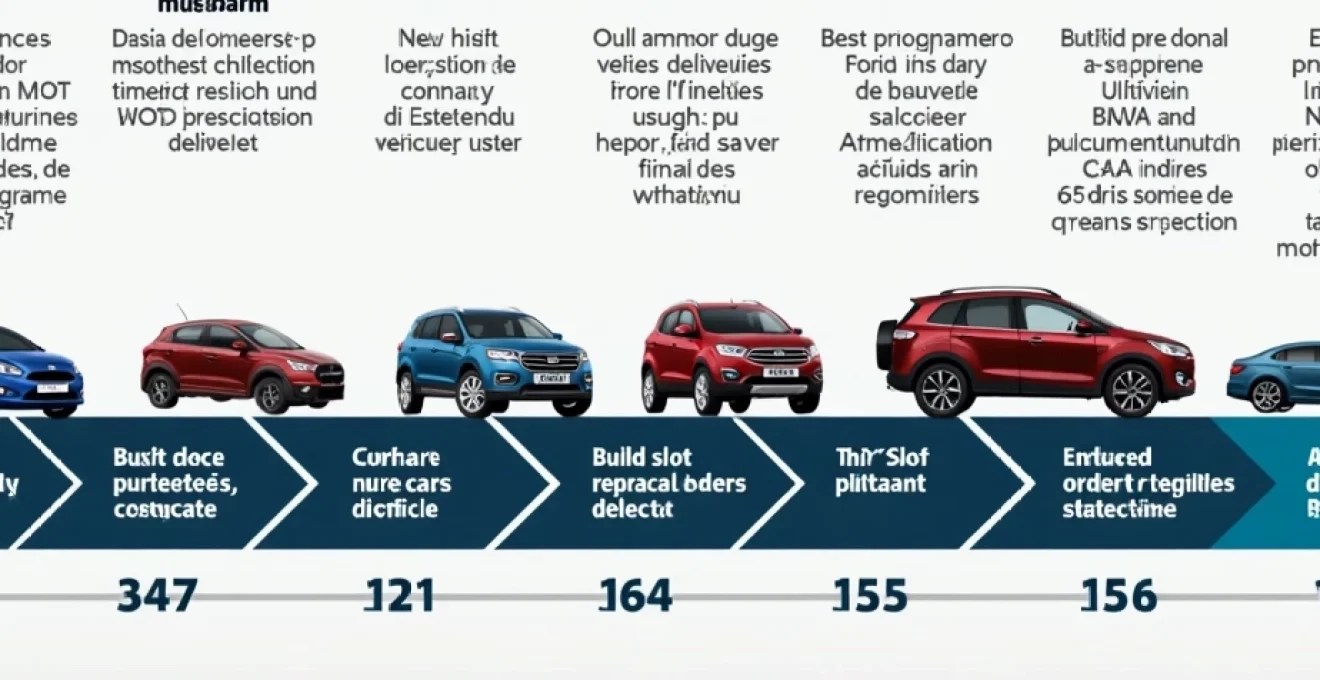
The car buying process remains one of the most significant financial commitments you’ll make, yet many potential buyers underestimate the time investment required. Whether you’re considering a gleaming new vehicle fresh from the factory or a reliable used car from a trusted dealer, the timeline varies dramatically based on numerous factors. From initial research through final documentation, the process typically spans several hours to multiple weeks, depending on your specific circumstances and chosen purchasing route.
Understanding these timeframes proves crucial for planning your purchase effectively. The complexity increases when considering financing options, part-exchange valuations, and administrative requirements that must be completed before you can legally drive your new vehicle on UK roads. Modern dealerships have streamlined many processes, yet certain steps remain unavoidable and time-consuming.
Pre-purchase vehicle research and documentation timeline
The foundation of any successful car purchase begins long before you set foot in a dealership or arrange a private viewing. Research phases typically consume between two to twelve weeks, depending on how specific your requirements are and how thoroughly you investigate potential options. This period involves comparing models, reading reviews, checking reliability ratings, and establishing a realistic budget that encompasses not just the purchase price, but ongoing running costs, insurance premiums, and maintenance expenses.
Vehicle research has become increasingly sophisticated with online platforms providing comprehensive data about fuel economy, safety ratings, and ownership costs. Experienced buyers often spend considerable time analysing depreciation curves and resale values, particularly when considering lease agreements or personal contract purchase deals. The availability of detailed specifications and comparison tools means you can narrow your choices significantly before physically inspecting vehicles.
DVLA vehicle history check and MOT certificate verification
Every used vehicle purchase requires thorough verification of its legal status and maintenance history. DVLA checks typically take between five to ten minutes online, providing essential information about outstanding finance, previous write-offs, and registration details. These checks cost £2.50 and deliver immediate results, making them an indispensable first step in the evaluation process.
MOT certificate verification involves accessing the government’s online database to confirm test dates, mileage records, and any advisory notices or failures. This process reveals crucial maintenance patterns and potential future expenses. Savvy purchasers examine multiple years of MOT data to identify recurring issues or signs of neglect, which can significantly impact negotiation strategies and future ownership costs.
HPI check and outstanding finance settlement procedures
Professional vehicle history checks through HPI or similar services require approximately fifteen minutes to complete and cost between £9.99 and £19.99 depending on the level of detail required. These comprehensive reports reveal whether vehicles have outstanding finance agreements, previous accident damage, or stolen vehicle markers that could result in repossession even after purchase.
Outstanding finance settlement procedures can extend the buying process by several days or weeks if the current owner hasn’t completed their agreement. Banks and finance companies typically require three to five working days to process settlement figures and release documentation. This delay becomes particularly significant in private sales where sellers must coordinate with their lenders before transferring ownership legally.
Insurance quote comparison through compare the market and admiral platforms
Insurance quotation gathering represents a critical pre-purchase activity that influences both budget calculations and vehicle selection. Comparison platforms process requests within minutes, generating multiple quotes that vary significantly based on vehicle specifications, security features, and performance characteristics. Comprehensive coverage comparisons often reveal unexpected cost differences between seemingly similar models due to insurance group classifications and repair costs.
The timing of insurance arrangements affects your ability to collect and drive your new vehicle immediately after purchase. Most insurers offer immediate cover activation, but some specialist or classic car policies require additional documentation and approval processes that can delay collection by 24-48 hours.
Vehicle identification number authentication and mileage verification
VIN authentication involves cross-referencing the chassis number with manufacturer databases and DVLA records to confirm the vehicle’s authenticity and specification accuracy. This process typically takes five to ten minutes but proves essential for expensive or rare vehicles where cloning or specification misrepresentation might occur.
Mileage verification extends beyond simple odometer readings to include service records, MOT histories, and any available telematics data. Professional verification services can detect mileage discrepancies that might indicate tampering or incorrect recording, potentially saving thousands of pounds in avoided purchases of vehicles with hidden issues.
Modern vehicle authentication systems have made it increasingly difficult to disguise a car’s true history, but thorough verification remains essential for protecting your investment and ensuring legal compliance.
Dealership purchase process duration and administrative requirements
Dealership transactions typically require three to six hours to complete from initial arrival through final documentation, assuming all paperwork is prepared and financing has been pre-approved. This timeframe encompasses vehicle inspection, test driving, price negotiation, finance arrangement, and administrative processing. However, complications such as part-exchange valuations, additional option selections, or finance credit checks can extend this period significantly.
The administrative burden has increased substantially with modern consumer protection regulations requiring detailed explanations of finance terms, warranty coverage, and cooling-off periods. Dealers must allow sufficient time for customers to read and understand complex documentation, particularly for hire purchase or personal contract purchase agreements that involve specific termination rights and mileage restrictions.
Approved used car programme inspection at ford authorised retailers
Ford’s approved used car programme requires comprehensive multi-point inspections covering mechanical systems, bodywork condition, and interior components. These inspections typically take between 90 minutes to three hours depending on the vehicle’s age and complexity. The process includes diagnostic computer scans, road testing, and photographic documentation of any identified issues.
Approved programme vehicles receive certification guaranteeing specific standards and warranty coverage, but this thoroughness can create delays if issues are discovered requiring rectification before sale. Premium inspection standards often mean vehicles are temporarily withdrawn from sale for repair work, potentially adding several days to the overall transaction timeline.
Part exchange valuation using CAP HPI and parkers guide methodology
Professional part-exchange valuations combine physical inspection with market data analysis from CAP HPI and Parkers Guide databases. The inspection process typically requires 30-45 minutes, examining mechanical condition, bodywork damage, interior wear, and service history completeness. Dealers use standardised forms documenting every defect and enhancement that affects value calculation.
Market data analysis involves comparing your vehicle against recent sales of similar models, adjusting for mileage, condition, and regional demand variations. This analytical process can take additional time when dealing with unusual models or specifications where comparable sales data is limited. Accurate valuations require access to auction results and trade sales that aren’t publicly available, justifying the expertise professional dealers bring to the process.
Finance application processing through black horse and santander consumer finance
Major finance providers like Black Horse and Santander Consumer Finance have streamlined application processes that can deliver decisions within minutes for straightforward cases. However, complex applications involving multiple income sources, recent address changes, or credit history complications may require manual underwriting taking 24-72 hours to complete.
The application process involves soft credit searches initially, followed by hard credit checks once you proceed with specific offers. Documentation requirements vary based on employment status and loan amount, with self-employed applicants typically requiring additional proof of income and business stability. Digital processing systems have eliminated much manual paperwork, but human verification remains necessary for larger loans or unusual circumstances.
Extended warranty selection and GAP insurance documentation
Extended warranty options require careful explanation and documentation to ensure customers understand coverage limitations, claim procedures, and excluded components. This process typically adds 15-30 minutes to the transaction as sales staff explain different levels of coverage and associated costs. Some warranties include roadside assistance and replacement vehicle provisions that require additional documentation.
GAP insurance arrangements involve calculating potential shortfalls between insurance payouts and outstanding finance balances, requiring detailed explanations of depreciation curves and insurance settlement methodologies. Comprehensive GAP coverage documentation ensures customers understand precisely what circumstances trigger payments and how claims are processed through the insurance provider.
Vehicle registration transfer and V5C logbook amendment procedures
Registration transfer procedures involve completing V5C documentation accurately and submitting notification to DVLA within designated timeframes. Dealers typically handle these procedures electronically, reducing processing time to 2-5 working days for new registration documents to arrive. However, any errors in completion can delay the process significantly and may require manual correction.
V5C amendments become necessary when personalised number plates are involved or when registration details require updating. These procedures can add several days to the completion timeline, particularly when coordinating with DVLA offices and private plate suppliers. Electronic processing systems have improved efficiency, but certain transactions still require postal documentation and manual verification.
Understanding that vehicle registration is a legal requirement, not merely an administrative formality, helps buyers appreciate why dealers insist on completing all documentation before allowing vehicle collection.
Private sale transaction timeframes and legal compliance
Private vehicle sales can be completed much faster than dealership transactions when both parties are prepared and organised. Simple cash transactions between individuals can take as little as 30-60 minutes, covering inspection, negotiation, documentation completion, and money transfer. However, the absence of dealer oversight means buyers assume greater responsibility for verification and legal compliance, which can extend the process if thorough checks are performed.
The convenience of private sales comes with increased risk exposure, making comprehensive pre-purchase verification essential. Unlike dealer sales with comeback rights and warranty protection, private transactions operate on “sold as seen” principles with limited recourse for subsequently discovered problems. This reality makes thorough inspection and documentation checking more critical, potentially adding several hours to the overall timeline.
Experienced private buyers often arrange independent mechanical inspections, particularly for expensive or complex vehicles where hidden faults could prove costly. These inspections typically cost £200-400 and require additional scheduling that can extend the purchase timeline by several days or weeks depending on inspector availability and vehicle location.
Payment methods significantly influence private sale timelines, with bank transfers requiring verification and clearing periods that can delay completion by 24-48 hours. Cash transactions offer immediate completion but raise security concerns for high-value vehicles, leading many buyers and sellers to prefer banker’s drafts or escrow services that add administrative time but provide better protection for both parties.
New vehicle factory order and delivery scheduling
New vehicle orders involve significantly longer timeframes than used car purchases, with typical delivery periods ranging from 8-24 weeks depending on manufacturer, model popularity, and specification requirements. Factory scheduling systems allocate build slots based on dealer allocations and customer deposit payments, with popular models or unusual specifications potentially requiring extended waiting periods.
The ordering process itself typically requires 1-2 hours at the dealership, covering specification selection, option configuration, finance arrangement, and deposit payment. However, the complexity of modern vehicle options means customers often require multiple visits to finalise specifications, particularly when considering paint options, interior configurations, and technology packages that significantly affect final pricing.
Build slot allocation through BMW individual and audi exclusive programmes
Premium manufacturer programmes like BMW Individual and Audi Exclusive offer extensive customisation options that extend normal delivery timeframes significantly. Build slot allocation for these programmes typically requires 16-32 weeks, with complex specifications potentially requiring even longer periods due to specialised component sourcing and manufacturing processes.
The specification process for individual programmes involves multiple consultations with design specialists and technical advisers who ensure requested modifications are feasible and comply with safety regulations. Bespoke manufacturing processes require detailed documentation and approval at multiple stages, adding weeks to the overall timeline but delivering truly personalised vehicles that reflect individual preferences and requirements.
Port processing delays at grimsby and southampton import terminals
Import processing through major UK terminals introduces additional variables affecting delivery schedules that are largely beyond dealer control. Port congestion, customs processing delays, and transportation availability can extend delivery periods by days or weeks, particularly during peak shipping seasons or when labour disputes affect operations.
Vehicle processing at import terminals involves customs clearance, compliance verification, and quality control inspections that can reveal issues requiring rectification before delivery to dealers. Port processing efficiency varies significantly based on seasonal demand, staffing levels, and infrastructure capacity, making precise delivery predictions challenging for imported vehicles.
Pre-delivery inspection and paint protection film application
Pre-delivery inspection procedures vary between manufacturers but typically require 2-4 hours to complete thoroughly. These inspections cover mechanical systems, bodywork condition, interior components, and technology functionality to ensure vehicles meet quality standards before customer handover. Any identified issues require correction, potentially delaying delivery while parts are sourced and repairs completed.
Paint protection film application has become increasingly popular for new vehicle protection, requiring additional 4-8 hours and specialist facilities that may not be available immediately. Professional installation services often have waiting lists that can extend delivery by several days or weeks, particularly during peak delivery seasons when demand exceeds installation capacity.
Vehicle collection ceremony and digital key handover protocols
Modern vehicle collection procedures have evolved into comprehensive handover ceremonies lasting 45-90 minutes, covering vehicle operation, technology explanation, maintenance requirements, and warranty registration. These sessions ensure customers understand complex infotainment systems, driver assistance features, and maintenance schedules that are essential for optimal vehicle operation and warranty compliance.
Digital key systems require additional setup time involving smartphone app installation, account creation, and security verification that can add 15-30 minutes to the handover process. Advanced connectivity features often require network activation and account linking that may not complete immediately, potentially requiring follow-up appointments to ensure full functionality.
The evolution of vehicle technology means that learning to operate your new car has become almost as important as learning to drive it, justifying the extended time dealers now allocate to customer handover procedures.
Specialist vehicle acquisition timelines
Specialist vehicles including classics, sports cars, and commercial vehicles often involve extended acquisition timelines due to limited availability, specialist inspection requirements, and unique documentation needs. Classic car purchases frequently require authentication services, originality verification, and specialist insurance arrangements that can extend the process by several weeks. The niche nature of these markets means finding suitable examples often takes months rather than days.
Commercial vehicle acquisitions involve additional compliance considerations including operator licensing, weight restrictions, and specialist equipment installation that significantly extend delivery timelines. Fleet purchases require coordination with multiple suppliers, specification standardisation, and delivery scheduling that aligns with operational requirements rather than individual convenience.
Specialist financing options for unusual vehicles often require manual underwriting and security arrangements that extend approval processes beyond standard consumer finance timelines. Lenders may require additional valuations, specialist inspections, or security registrations that add weeks to the overall transaction timeline.
Import procedures for specialist vehicles from overseas suppliers involve complex documentation including type approval certification, customs declarations, and modification compliance that can require several months to complete. The specialist nature of these transactions means processing cannot be expedited through standard channels, requiring patience and careful planning from prospective owners.
Post-purchase registration and compliance procedures
Vehicle registration procedures continue after purchase completion, with new owners requiring road tax arrangement, insurance activation, and DVLA notification within specific timeframes. Road tax can be arranged immediately online or at Post Office branches, but requires valid insurance coverage and MOT certification where applicable. The online system processes applications immediately, though paper confirmation may take several days to arrive.
Insurance activation timing affects your ability to use the vehicle legally on public roads, with most providers offering immediate coverage but requiring documentation submission within specified periods. Comprehensive policy arrangements may require additional time for underwriting approval, particularly for high-performance vehicles or drivers with complex claims histories.
DVLA notification requirements include informing them of address changes, vehicle modifications, or registration transfers within prescribed timeframes to maintain legal compliance. Failure to complete these procedures correctly can result in fines and complications with insurance claims or resale procedures, making thorough completion essential despite the additional time requirements involved.