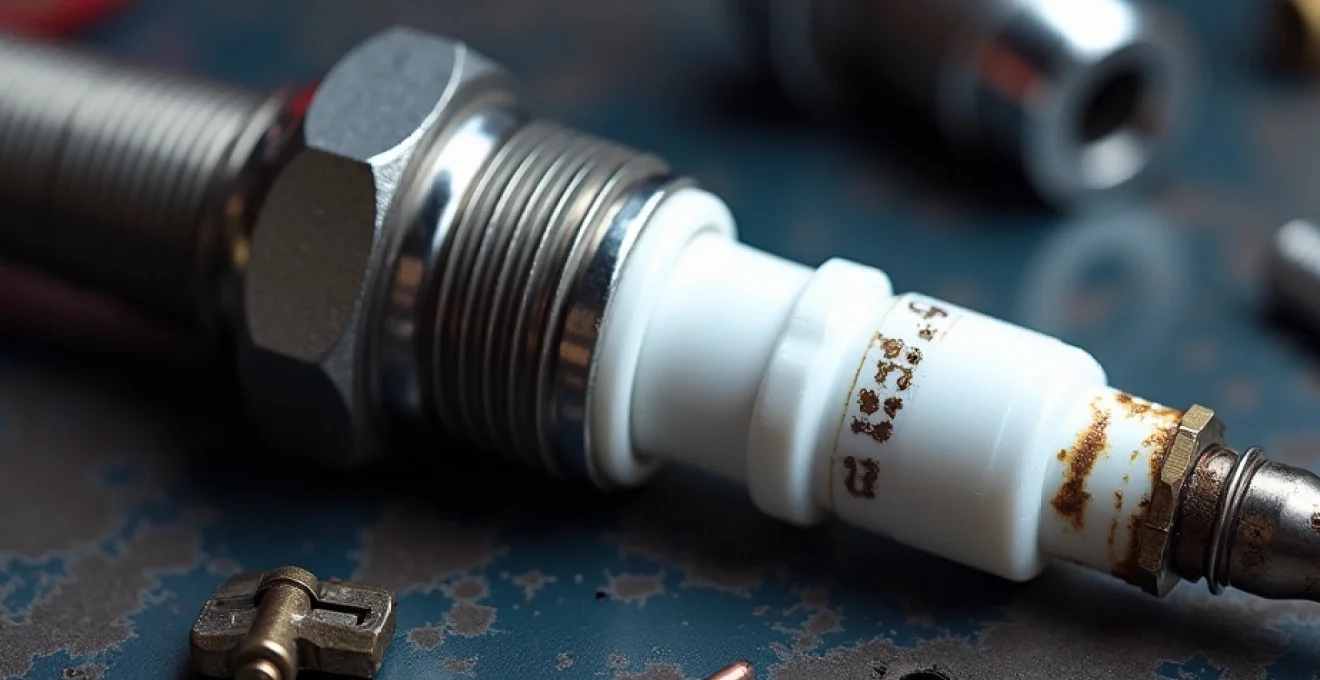
Dealing with a snapped glow plug represents one of the most frustrating challenges in diesel engine maintenance. This common issue affects countless vehicle owners, particularly those with aluminium cylinder heads where thermal expansion and carbon buildup create perfect conditions for glow plug seizure. When these essential starting components break off at the narrow neck between the hexagonal head and threaded shaft, the situation demands immediate attention to prevent costly engine damage.
The problem typically stems from carbon deposits that accumulate around the glow plug barrel over time, effectively cementing the component in place. Modern diesel engines, especially those with four-valve configurations, are particularly susceptible to this issue due to their precise tolerances and operating temperatures. Understanding the proper extraction techniques can mean the difference between a straightforward repair and an expensive cylinder head removal.
Essential tools and equipment for snapped glow plug extraction
Successful glow plug extraction requires a comprehensive toolkit specifically designed for this challenging repair. The right equipment not only ensures effective removal but also minimises the risk of further damage to the cylinder head threads. Professional technicians rely on specialised tools that have been developed specifically for dealing with seized automotive components.
The selection of appropriate tools depends heavily on the specific engine type and the extent of the breakage. Aluminium cylinder heads require different approaches compared to cast iron units, and the age of the vehicle often dictates which extraction method proves most effective. Modern diagnostic equipment can also help assess the severity of the situation before beginning the extraction process.
Specialised glow plug removal tools and Easy-Out extractors
Professional glow plug extraction kits typically include reverse-threaded extractors specifically designed for the narrow confines of glow plug wells. These tools feature left-hand threads that grip the broken component while turning counterclockwise, effectively pulling the seized plug from its housing. Quality extractors are manufactured from hardened steel to prevent breakage during the extraction process.
Easy-out extractors represent the most commonly available alternative for DIY mechanics. However, selecting the correct size proves critical for success. Undersized extractors may slip or break under pressure, while oversized units can damage the cylinder head threads. Professional-grade extractors often include progressive sizing to accommodate various glow plug dimensions.
Penetrating oil selection: WD-40 vs plusgas vs CRC freeze shock
The choice of penetrating oil significantly impacts extraction success rates. Traditional WD-40 provides basic penetration but lacks the aggressive formulation needed for heavily seized components. Plusgas offers superior penetrating capabilities with its low surface tension formula that can reach microscopic gaps between carbon deposits and metal surfaces.
CRC Freeze Shock combines penetrating oil with rapid cooling properties, causing thermal contraction that can break the carbon seal around seized plugs. This dual-action approach proves particularly effective on aluminium cylinder heads where thermal cycling contributes to seizure. Professional mechanics often apply multiple treatments over several days before attempting extraction.
Heat application equipment: heat guns and Oxy-Acetylene torches
Controlled heat application can expand the aluminium cylinder head sufficiently to release seized glow plugs. Industrial heat guns provide precise temperature control, typically reaching 500-600°C without risking damage to surrounding components. The gradual heating process allows for thermal expansion while maintaining safety margins.
Oxy-acetylene torches offer more aggressive heating but require extreme caution around fuel lines and electrical components. Professional applications often involve removing surrounding components to create safe working conditions. Temperature monitoring becomes critical to prevent cylinder head warping or metallurgical changes that could compromise structural integrity.
Threading tools: M8 and M10 tap and die sets for diesel applications
Thread repair often becomes necessary following aggressive extraction attempts. M8 and M10 tap and die sets accommodate the most common glow plug thread specifications in diesel applications. Professional-grade tools feature cutting edges designed specifically for aluminium and cast iron materials commonly found in cylinder heads.
Time-Sert and Heli-Coil systems provide permanent thread repair solutions when original threads suffer damage during extraction. These systems restore full thread strength while accommodating standard glow plug installations. Proper thread preparation ensures long-term reliability and prevents future seizure issues.
Pre-extraction cylinder head assessment and preparation
Thorough preparation significantly improves extraction success rates while minimising collateral damage to surrounding components. Professional assessment begins with visual inspection of the break point, determining whether sufficient material remains for conventional extraction methods. This evaluation guides tool selection and establishes realistic expectations for the repair complexity.
Engine accessibility plays a crucial role in determining extraction approach. Vehicles with engines positioned under seats or in confined spaces may require component removal to achieve proper tool alignment. Workspace preparation includes ensuring adequate lighting, ventilation, and access to power tools required for the extraction process.
Carbon deposit removal around glow plug wells
Carbon buildup around glow plug wells creates additional resistance during extraction attempts. Careful removal of these deposits using appropriate solvents and brushes can significantly reduce extraction forces. Professional cleaners specifically formulated for carbon removal prove more effective than general-purpose degreasers.
Ultrasonic cleaning offers the most thorough carbon removal but requires component accessibility. Alternatively, soaking with penetrating oil combined with mechanical agitation using brass brushes provides excellent results. Complete carbon removal often reveals additional threads that can be engaged by extraction tools.
Cylinder head temperature considerations for aluminium vs cast iron
Material properties significantly influence extraction strategy selection. Aluminium cylinder heads expand more readily with heat application, potentially releasing seized components through thermal expansion. However, aluminium also reaches critical temperatures more quickly, requiring careful monitoring to prevent damage.
Cast iron heads tolerate higher temperatures but expand less dramatically, often requiring more aggressive extraction methods. The thermal mass of cast iron components means heating and cooling cycles occur more slowly, requiring patience during the extraction process. Material identification should precede any heat application to establish appropriate temperature limits.
Engine position: TDC alignment and piston protection methods
Positioning the affected cylinder at top dead center (TDC) on the compression stroke minimises the risk of debris entering the combustion chamber. This positioning also provides optimal access to the glow plug well while ensuring the piston crown remains protected from falling particles.
Protective measures include inserting clean rags or purpose-made plugs into adjacent cylinders to prevent contamination. Professional workshops often use magnetic retrieval tools to collect metal particles that inevitably result from extraction attempts. Piston protection prevents costly engine damage that could result from ingested debris.
Cooling system drainage and accessibility optimisation
Cooling system drainage may become necessary when heat application risks coolant boiling or when access requires removal of cooling system components. Complete drainage prevents coolant contamination and eliminates the risk of steam burns during heating procedures.
Component removal should follow manufacturer-specified sequences to prevent damage to related systems. Systematic disassembly with proper documentation ensures efficient reassembly while maintaining warranty compliance where applicable.
Step-by-step snapped glow plug extraction techniques
The extraction process begins with thorough assessment of the breakage point and surrounding conditions. Professional techniques emphasise progressive approaches that minimise force application while maximising success probability. Initial penetrating oil application should occur several hours or even days before attempting mechanical extraction.
Visual inspection through magnification helps identify the exact break location and remaining material thickness. This assessment determines whether conventional extraction methods remain viable or whether drilling becomes necessary. The presence of visible threads often indicates sufficient material for extractor engagement.
Successful glow plug extraction requires patience and the right combination of chemical penetration, controlled heat application, and appropriate mechanical force.
The first extraction attempt should utilise the least aggressive method likely to succeed. Easy-out extractors require precise centre-punching to ensure proper engagement without wandering. Progressive sizing allows for multiple attempts with increasingly larger extractors if initial attempts prove unsuccessful.
Heat application should occur gradually, allowing thermal expansion to work progressively. Alternating between heating and cooling cycles can help break carbon bonds while preventing excessive temperatures. Professional thermometers or temperature guns ensure controlled heat application within safe limits.
Mechanical extraction force should increase gradually, with frequent pauses to assess progress and reapply penetrating oil. Sudden force application often results in extractor breakage or thread damage. Consistent pressure combined with slight rotation often proves more effective than aggressive forcing.
Drilling and threading methods for severely seized plugs
When conventional extraction methods fail, drilling presents the most reliable alternative for severely seized glow plugs. This approach requires precise technique to avoid damage to cylinder head threads while creating sufficient space for mechanical extraction. Professional drilling techniques emphasise concentricity and controlled advancement to preserve surrounding material.
The drilling process begins with careful centre-punching to establish precise alignment with the glow plug axis. Drill bit selection proves critical, with diameters calculated to remove maximum material while preserving thread integrity. Progressive drilling using increasing bit sizes prevents excessive heat buildup that could worsen seizure conditions.
Coolant application during drilling prevents bit dulling and material welding that can complicate the extraction process. Compressed air provides effective chip removal while maintaining visibility of the work area. Controlled feed rates prevent bit breakage while ensuring efficient material removal.
Threading the drilled cavity creates anchor points for purpose-built extraction tools. M6 x 1.0 threading proves suitable for most glow plug applications, providing sufficient strength for extraction forces while accommodating standard bolt sizes. Tap selection should emphasise sharp cutting edges designed for the specific cylinder head material.
Precision drilling combined with proper threading creates reliable extraction points that enable controlled removal of even the most stubborn seized components.
The extraction puller assembly utilises threaded rods, nuts, and washers to create mechanical advantage during removal. Gradual pressure application allows the extraction force to overcome carbon adhesion progressively. Socket modifications can accommodate varying plug geometries and provide clearance for complete removal.
Thread engagement depth should provide sufficient holding power without risking tap breakage during extraction. Professional workshops often pre-load the extraction assembly to verify adequate thread engagement before applying full extraction force. Progressive extraction with periodic disassembly allows for debris removal and tool repositioning as needed.
Post-extraction thread repair and cylinder head restoration
Thread damage inevitably accompanies aggressive glow plug extraction, requiring careful assessment and appropriate repair methods. Professional evaluation begins with thread gauges that verify remaining thread integrity and identify damaged areas. Minor damage often responds to careful thread chasing with appropriate taps, while severe damage requires insert systems.
Time-Sert installations provide permanent thread repair that often exceeds original strength specifications. These systems require precise boring and threading operations that restore full thread engagement for replacement glow plugs. Professional installation techniques ensure proper insert seating and torque specifications.
Heli-Coil systems offer alternative thread repair with different installation requirements but similar performance characteristics. The choice between systems often depends on available tooling and specific application requirements. Proper installation of either system requires adherence to manufacturer specifications and torque values.
Cylinder head restoration extends beyond thread repair to include surface preparation and sealing considerations. Carbon removal from glow plug wells prevents future seizure while ensuring optimal thermal transfer. Professional restoration often includes pressure testing to verify combustion seal integrity following repair operations.
Quality control measures should include thread engagement testing with new glow plugs before final assembly. Torque specification verification ensures proper seating without over-stressing repaired threads. Professional workshops often apply thread locking compounds or sealants to prevent future seizure issues.
Prevention strategies for future glow plug seizure issues
Preventive maintenance significantly reduces the likelihood of future glow plug seizure incidents. Regular inspection schedules should include glow plug removal and reinstallation to prevent carbon buildup that leads to seizure. Preventive removal every 50,000 miles allows for cleaning and anti-seize application before problems develop.
Anti-seize compounds specifically formulated for high-temperature applications provide long-term protection against carbon buildup and thermal cycling effects. Copper-based compounds prove particularly effective in diesel applications where extreme temperatures occur regularly. Proper application requires clean threads and controlled quantities to prevent excess compound migration.
Regular preventive maintenance and proper anti-seize application can eliminate the majority of glow plug seizure incidents, saving significant repair costs and vehicle downtime.
Fuel quality considerations impact carbon formation rates and subsequent seizure probability. Premium diesel fuels with enhanced detergent packages reduce carbon buildup around glow plug installations. Fuel system additives designed for carbon reduction can provide additional protection in high-mileage vehicles or severe service applications.
Installation torque specifications require strict adherence to prevent over-tightening that can lead to future removal difficulties. Professional torque wrenches ensure consistent installation forces that provide adequate sealing without excessive thread stress. Proper installation techniques combined with quality replacement parts significantly extend service intervals and reduce failure probability.
Environmental factors including operating conditions and climate can influence seizure rates. Vehicles operated in extreme cold or stop-and-go conditions may require more frequent glow plug service to prevent seizure issues. Service interval adjustments based on operating conditions provide optimal protection while maintaining cost-effectiveness for fleet operators and individual owners alike.