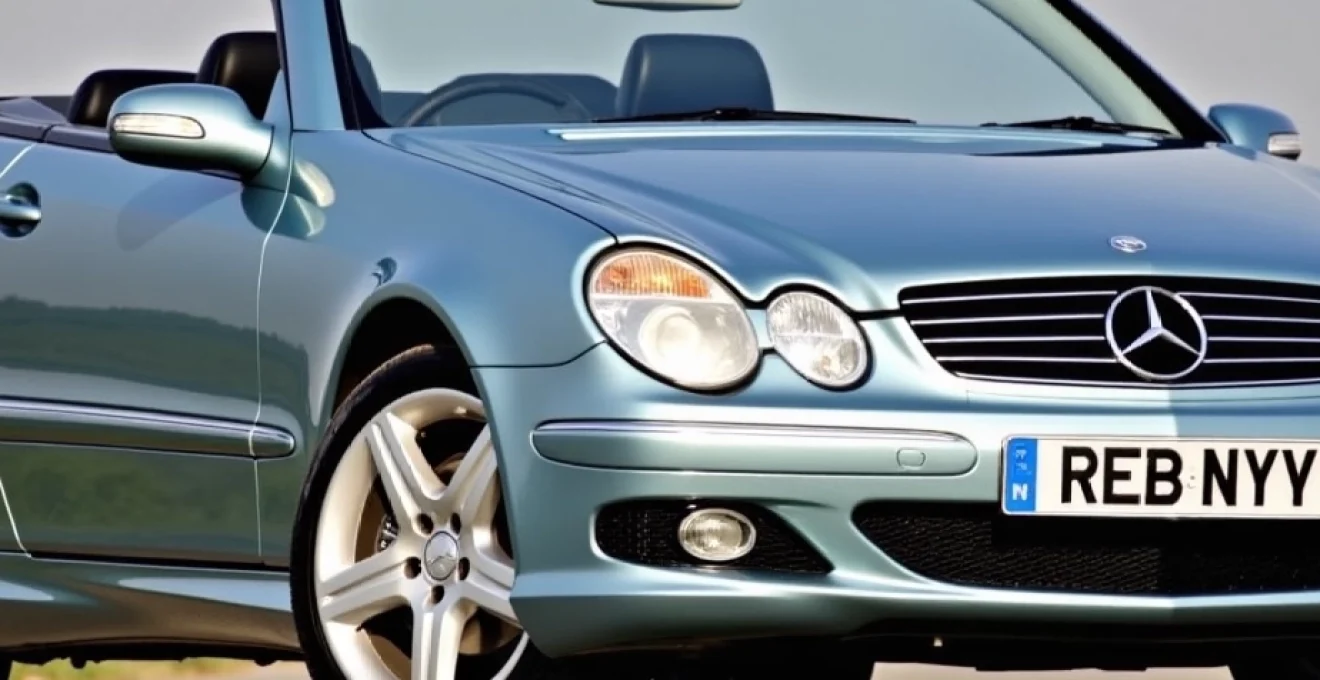
The Mercedes-Benz AMG CLK series represents one of the most compelling chapters in modern performance coupe history, bridging the gap between luxury grand touring and outright sports car capability. These hand-built machines emerged during an era when naturally aspirated engines still reigned supreme, offering drivers an unfiltered connection to power that today’s turbocharged alternatives struggle to match. From the robust CLK 55 AMG with its thunderous 5.4-litre V8 to the legendary CLK 63 AMG featuring AMG’s first ground-up engine design, these vehicles established benchmarks for performance, refinement and engineering excellence that continue to influence automotive design today.
Mercedes-benz CLK 55 AMG and CLK 63 AMG engine specifications and performance analysis
M113 5.4-litre V8 naturally aspirated engine architecture in CLK 55 AMG
The CLK 55 AMG’s heart beats with the rhythm of Mercedes-AMG’s venerable M113 engine, a 5.4-litre naturally aspirated V8 that produces 367 brake horsepower at 5,500rpm. This powerplant represents traditional AMG philosophy at its finest, featuring hand-assembly techniques where each engine bears the signature of its builder on a dedicated plaque. The M113 architecture employs a 90-degree V-configuration with aluminium cylinder heads and a cast-iron block, delivering exceptional durability alongside impressive performance metrics.
What sets this engine apart from contemporary rivals lies in its progressive power delivery characteristics. Unlike modern turbocharged alternatives that deliver instant torque, the M113 rewards drivers who explore its rev range, producing maximum torque of 391 lb-ft at 4,000rpm. This naturally aspirated approach creates an engaging driving experience where throttle response remains immediate and predictable across the entire rev band, allowing drivers to modulate power delivery with precision that forced induction systems often struggle to match.
M156 6.2-litre V8 Hand-Built engine technology in CLK 63 AMG
The CLK 63 AMG marked a revolutionary moment in AMG’s history, introducing the M156 engine as the first powerplant designed entirely by AMG from conception to completion. This 6.2-litre naturally aspirated V8 produces 481 brake horsepower at 6,800rpm, representing a significant leap forward in both power output and engineering sophistication. Former Porsche engineer Bernd Ramler, who had previously worked on the Carrera GT’s V10, led the development team that created this masterpiece.
The M156’s technical specifications reveal the depth of AMG’s engineering ambition. The engine features a deep-sump lubrication system, forged pistons, and a sophisticated variable valve timing system that optimises performance across the rev range. Peak torque of 465 lb-ft arrives at 5,000rpm, whilst the engine’s willingness to rev freely to its 7,200rpm redline creates an intoxicating soundtrack that modern turbocharged engines cannot replicate. This naturally aspirated architecture delivers throttle response that feels instantaneous, creating an almost electric connection between driver input and engine output.
AMG SPEEDSHIFT transmission systems and gear ratios
Both CLK AMG variants employ sophisticated automatic transmission systems designed to complement their high-performance engines. The CLK 55 AMG utilises a five-speed AMG SPEEDSHIFT system based on Mercedes-Benz’s robust 5G-Tronic transmission, strengthened to handle the V8’s substantial torque output. This transmission features AMG-specific programming that prioritises performance over economy, delivering crisp shifts and intelligent gear selection algorithms.
The CLK 63 AMG advances this concept further with its seven-speed AMG SPEEDSHIFT system, offering both enhanced performance and improved fuel efficiency. In Comfort mode, shift times remain smooth and refined, but selecting Sport mode reduces shift duration by 30 percent, whilst Manual mode delivers 50 percent faster gear changes. The paddle-shift system provides direct control over gear selection, allowing drivers to hold gears against the rev limiter for maximum track performance.
Power output comparison: 367bhp vs 481bhp performance metrics
The performance differential between these two AMG variants extends far beyond simple power figures. The CLK 55 AMG accelerates from standstill to 60mph in 5.2 seconds, reaching its electronically limited top speed of 155mph with authority. However, it’s the CLK 63 AMG that truly showcases AMG’s engineering prowess, completing the same sprint in just 4.6 seconds whilst maintaining the same governed maximum velocity.
The M156 engine’s naturally aspirated character creates an engaging driving experience where power delivery feels both immediate and progressive, rewarding drivers who explore the full rev range.
Real-world performance figures reveal additional insights into each model’s character. The CLK 55 AMG delivers its power in a more linear fashion, making it an excellent choice for daily driving scenarios where predictable throttle response proves more valuable than outright acceleration. Conversely, the CLK 63 AMG’s additional 114 brake horsepower transforms the driving experience, particularly in higher gears where its superior torque output provides devastating overtaking ability.
Chassis dynamics and AMG suspension technology
AMG sport suspension with adaptive damping system
The CLK AMG series employs sophisticated suspension technology that balances performance handling with grand touring comfort. Both variants feature AMG-tuned suspension systems with reinforced mounting points, larger diameter anti-roll bars, and carefully calibrated spring rates that complement each model’s power output. The CLK 55 AMG utilises conventional steel springs with AMG-specific damping rates, whilst the CLK 63 AMG benefits from more advanced damping technology.
What distinguishes these systems from standard CLK variants lies in their ability to maintain composure under extreme cornering loads whilst preserving ride quality during normal driving conditions. The front suspension employs a three-link configuration with anti-dive geometry, whilst the rear features a five-link independent setup that provides exceptional wheel control. This combination allows both models to exploit their considerable power output without compromising stability or driver confidence.
Electronic stability programme (ESP) and traction control integration
Mercedes-AMG’s approach to electronic stability systems evolved significantly between the CLK 55 and CLK 63 generations. The CLK 55 AMG features traditional ESP integration that provides comprehensive stability management but often intervenes earlier than enthusiastic drivers might prefer. This system prioritises safety over entertainment, making it challenging to explore the vehicle’s dynamic limits without electronic intervention.
The CLK 63 AMG represents a more sophisticated approach to stability management. When ESP is deactivated, the system truly switches off rather than remaining partially active, allowing experienced drivers to explore the limits of adhesion. However, AMG engineers retained an underlying traction control system that cannot be completely disabled, providing a safety net that prevents dangerous situations whilst still permitting controlled oversteer. This electronic traction control system proves remarkably subtle, allowing significant slip angles before intervention whilst maximising traction during aggressive acceleration.
Brake system: AMG performance brakes with perforated disc technology
Both CLK AMG variants feature substantial braking systems designed to cope with their impressive performance capabilities. The CLK 55 AMG employs large ventilated disc brakes measuring 360mm at the front and 330mm at the rear, providing excellent stopping power and fade resistance. These systems feature AMG-specific brake pad compounds that offer superior high-temperature performance compared to standard CLK variants.
The CLK 63 AMG advances braking technology further with its composite front disc system. These innovative rotors combine cast-iron friction surfaces with lightweight composite backing plates, reducing unsprung weight whilst improving heat dissipation. The result is consistently strong braking performance even during extended track sessions, with minimal fade and exceptional pedal feel. Rear discs remain conventional cast-iron units, providing reliable stopping power whilst keeping costs reasonable.
Limited slip differential and torque distribution mechanisms
Effective torque management proves crucial for rear-wheel-drive performance vehicles, and both CLK AMG variants employ sophisticated limited-slip differential systems. The CLK 55 AMG utilises an electronic differential lock that works in conjunction with the ESP system to optimise traction distribution between rear wheels. This system proves particularly effective during aggressive acceleration from corners, preventing inside wheel spin whilst maximising forward thrust.
The CLK 63 AMG, particularly in Black Series specification, features a mechanical limited-slip differential that provides more predictable handling characteristics during spirited driving. This mechanical system offers consistent torque distribution regardless of electronic system status, creating more engaging dynamics for experienced drivers. The mechanical LSD’s progressive locking characteristics allow skilled drivers to use throttle input to adjust the vehicle’s attitude through corners, creating an intimate connection between driver and machine.
Exterior design evolution and AMG aerodynamic package
The visual transformation from standard CLK to AMG specification reflects a philosophy of understated aggression rather than ostentatious display. Both CLK 55 and CLK 63 AMG variants maintain the elegant proportions of their base models whilst incorporating functional aerodynamic enhancements that improve both performance and visual impact. The front bumper designs feature larger air intakes to feed the powerful V8 engines, whilst subtle side skirts and rear diffusers manage airflow around the vehicle’s underside.
AMG’s design team understood that effective aerodynamics need not compromise visual elegance. The CLK 63 AMG’s front splitter reduces lift by channelling airflow beneath the vehicle more efficiently, whilst the discrete rear spoiler cuts rear lift by over 50 percent. These modifications work in harmony with the vehicle’s natural lines rather than fighting against them, creating a cohesive aesthetic that ages gracefully compared to more extreme contemporary designs.
Wheel and tyre specifications reveal the practical focus underlying AMG’s design philosophy. The CLK 55 AMG typically features 18-inch AMG alloy wheels, whilst the CLK 63 AMG employs similar sizing with distinctive five-spoke designs finished in titanium grey. Tyre sizes remain relatively modest by modern standards, with the CLK 63 AMG running 225/40 R18 front and 255/35 R18 rear Pirelli P Zero tyres. This conservative approach prioritises ride quality and tyre longevity over maximum grip levels, reflecting the grand touring nature of these vehicles.
AMG’s exterior design philosophy demonstrates that effective aerodynamics and visual restraint can coexist, creating vehicles that remain timelessly elegant whilst delivering genuine performance benefits.
The Black Series variants take aerodynamic development to another level entirely. These models feature dramatically flared wheel arches that accommodate wider track widths and larger tyres, whilst more aggressive front and rear spoilers provide significant downforce at higher speeds. Carbon fibre construction reduces weight whilst adding visual drama, creating vehicles that blur the line between road car and racing machine. The Black Series approach represents AMG’s willingness to prioritise performance over conventional aesthetic considerations, resulting in some of the most visually striking Mercedes-Benz models ever produced.
Interior craftsmanship and AMG-Specific equipment
The interior environment of both CLK AMG variants reflects Mercedes-Benz’s commitment to luxury whilst incorporating performance-focused elements that enhance the driving experience. AMG-specific instrumentation includes distinctive gauge clusters with higher speedometer readings, reflecting each model’s enhanced performance capabilities. The CLK 63 AMG features particularly impressive instrumentation with a 320km/h speedometer that serves as a constant reminder of the vehicle’s potential.
Seating represents a crucial element in any performance vehicle’s interior design, and both CLK AMG variants feature specially developed sport seats that provide excellent lateral and lumbar support. These seats employ higher-quality materials and more sophisticated adjustment mechanisms compared to standard CLK variants, ensuring driver comfort during extended high-performance driving sessions. The seats strike an excellent balance between supportive performance characteristics and long-distance comfort, making these vehicles genuinely usable for grand touring applications.
AMG-specific interior details include distinctive trim elements, upgraded steering wheels with improved grip surfaces, and enhanced control interfaces. The paddle-shift systems fitted to later CLK 63 AMG models provide tactile feedback that connects drivers more directly to the transmission’s operation. Climate control systems, audio equipment, and navigation technologies match contemporary Mercedes-Benz standards, ensuring these performance vehicles don’t compromise on luxury amenities.
Material quality throughout both interiors reflects Mercedes-Benz’s premium positioning, though some contemporary reviews noted that certain trim elements felt less substantial than expected. This criticism proved particularly relevant to CLK models from the mid-2000s period, when Mercedes-Benz experienced quality control challenges across several model lines. However, well-maintained examples demonstrate the fundamental soundness of the interior architecture, with major components proving remarkably durable over extended ownership periods.
Real-world ownership costs and maintenance requirements
Service intervals and AMG-Certified technician requirements
Owning a CLK AMG involves understanding the specialised maintenance requirements that high-performance vehicles demand. Both the CLK 55 and CLK 63 AMG require servicing by AMG-certified technicians who possess the specialised knowledge and equipment necessary to maintain these sophisticated machines. Service intervals typically occur every 12,000 miles or annually, whichever comes first, though owners who engage in track driving should consider more frequent inspections.
The hand-built nature of AMG engines means that routine maintenance costs exceed those of standard Mercedes-Benz models. Oil changes require premium synthetic lubricants specified by AMG, whilst air and fuel filters employ higher-grade materials designed for enhanced performance applications. Spark plugs, ignition coils, and other engine management components operate under more demanding conditions, necessitating more frequent replacement intervals compared to conventional vehicles.
Common issues: SBC brake system and airmatic suspension faults
Several known issues affect CLK AMG models, with the most significant being the Sensotronic Brake Control (SBC) system fitted to certain model years. This electrohydraulic brake system was designed to provide enhanced pedal feel and shorter stopping distances, but proved prone to expensive failures that could render vehicles unsafe. The SBC pump typically fails between 300,000 and 500,000 brake applications, requiring replacement at costs exceeding £2,000.
Airmatic suspension systems, where fitted, present another potential maintenance concern. These sophisticated air suspension setups provide excellent ride quality and handling characteristics but employ complex components that can fail over time. Air springs, compressors, and control modules represent significant expense when replacement becomes necessary, often costing £1,500-£3,000 for comprehensive system repairs.
Understanding potential maintenance issues before purchase allows prospective owners to budget appropriately and make informed decisions about extended warranty coverage or specialist insurance policies.
Engine-related issues remain relatively uncommon in both AMG variants, testament to the robust engineering underlying these powerplants. However, certain components such as ignition coils, mass airflow sensors, and throttle position sensors may require attention as vehicles accumulate mileage. The naturally aspirated nature of both engines eliminates concerns about turbocharger maintenance, simplifying long-term ownership compared to modern forced-induction alternatives.
Parts availability and specialist workshop network in the UK
The established nature of both CLK AMG variants means that parts availability remains generally good, though costs reflect the premium positioning of AMG components. Genuine AMG parts command significant premiums over standard Mercedes-Benz equivalents, whilst pattern parts of acceptable quality remain limited for many specialised components. Owners should budget for genuine parts wherever possible, particularly for safety-critical systems and engine management components.
The UK’s Mercedes-AMG specialist workshop network provides comprehensive support for both models, with many independent specialists offering expertise that rivals official dealer networks. These specialists often provide more competitive pricing for routine maintenance whilst maintaining the technical competence necessary for complex repairs. Building relationships with reputable AMG specialists proves invaluable for long-term ownership satisfaction, as these professionals understand the unique requirements of high-performance Mercedes-Benz vehicles.
Market position against BMW M3 E46 and audi RS4 B7 competition
The competitive landscape during the CLK AMG era featured formidable rivals from BMW and Audi, each offering distinct approaches to high-performance grand touring. The BMW M3 E46 generation, powered by its legendary 3.2-litre naturally aspirated inline-six, delivered 338 brake horsepower in a more compact, driver-focused package. This BMW approached performance from a purist perspective, prioritising handling precision and driver engagement over luxury amenities.
Audi’s RS4 B7, with its 4.2-litre V8 producing 414 brake horsepower, offered all-wheel-drive capability that provided superior traction in challenging conditions. The RS4’s quattro system delivered impressive cross-country pace whilst maintaining
the Audi’s practical advantages whilst delivering impressive performance credentials.
The CLK AMG variants positioned themselves differently within this competitive triumvirate, emphasising refined power delivery and grand touring capabilities over pure track-focused dynamics. Where the M3 demanded commitment and skill to extract maximum performance, the CLK 63 AMG delivered accessible speed that could be enjoyed by drivers of varying experience levels. This approach proved particularly appealing to buyers seeking daily-usable performance without compromising long-distance comfort.
Price positioning during the original sale period revealed interesting market dynamics. The CLK 55 AMG typically commanded similar pricing to the BMW M3, whilst the CLK 63 AMG positioned itself as a premium alternative to both rivals. However, depreciation patterns have favoured the Mercedes-AMG models, with well-maintained examples now representing exceptional value compared to their original purchase prices. The hand-built engines and relatively limited production numbers contribute to stronger residual values, particularly for CLK 63 AMG variants.
The CLK AMG series carved out a unique niche by combining Mercedes-Benz luxury with accessible high performance, creating vehicles that could serve as both daily drivers and weekend entertainment machines.
Performance comparisons reveal each manufacturer’s distinct philosophy. The BMW M3 delivered superior handling precision and driver feedback, making it the preferred choice for enthusiasts prioritising track capability. The Audi RS4 provided all-weather versatility and practical space, appealing to buyers requiring year-round performance regardless of conditions. The CLK AMG variants offered the most refined powertrain experience, with naturally aspirated V8 engines that delivered power in a more linear, predictable fashion than their competitors’ more peaky characteristics.
Today’s used car market has transformed the competitive landscape significantly. The CLK 55 AMG represents outstanding value for money, offering genuine AMG engineering at prices that undercut many modern hot hatches. The CLK 63 AMG, particularly in standard specification, provides access to one of the finest naturally aspirated V8 engines ever produced at costs that seem almost unreasonable given the engineering excellence involved. These depreciation patterns make both models extremely attractive propositions for enthusiasts seeking authentic high-performance experiences without contemporary pricing premiums.
The long-term ownership experience often favours the Mercedes-AMG approach over its competitors. Both CLK AMG variants prove more reliable than the BMW M3’s complex VANOS system and more straightforward to maintain than the Audi RS4’s sophisticated all-wheel-drive system. The naturally aspirated engines eliminate turbocharger-related maintenance concerns that plague many modern performance vehicles, whilst the robust automatic transmissions prove more durable than the manual gearboxes fitted to many competitors. This combination of performance, reliability, and reasonable maintenance costs creates compelling ownership propositions that continue to attract discerning enthusiasts.
Market perception has evolved considerably since these vehicles’ original launch periods. What were once considered refined alternatives to more hardcore competitors are now recognised as representing the final flowering of naturally aspirated, high-performance grand touring. The combination of hand-built engines, sophisticated chassis dynamics, and elegant styling creates vehicles that feel increasingly special as the automotive industry moves towards electrification and forced induction. This evolving appreciation ensures that well-maintained examples will likely continue appreciating in value, making them both enjoyable to own and potentially sound financial investments.