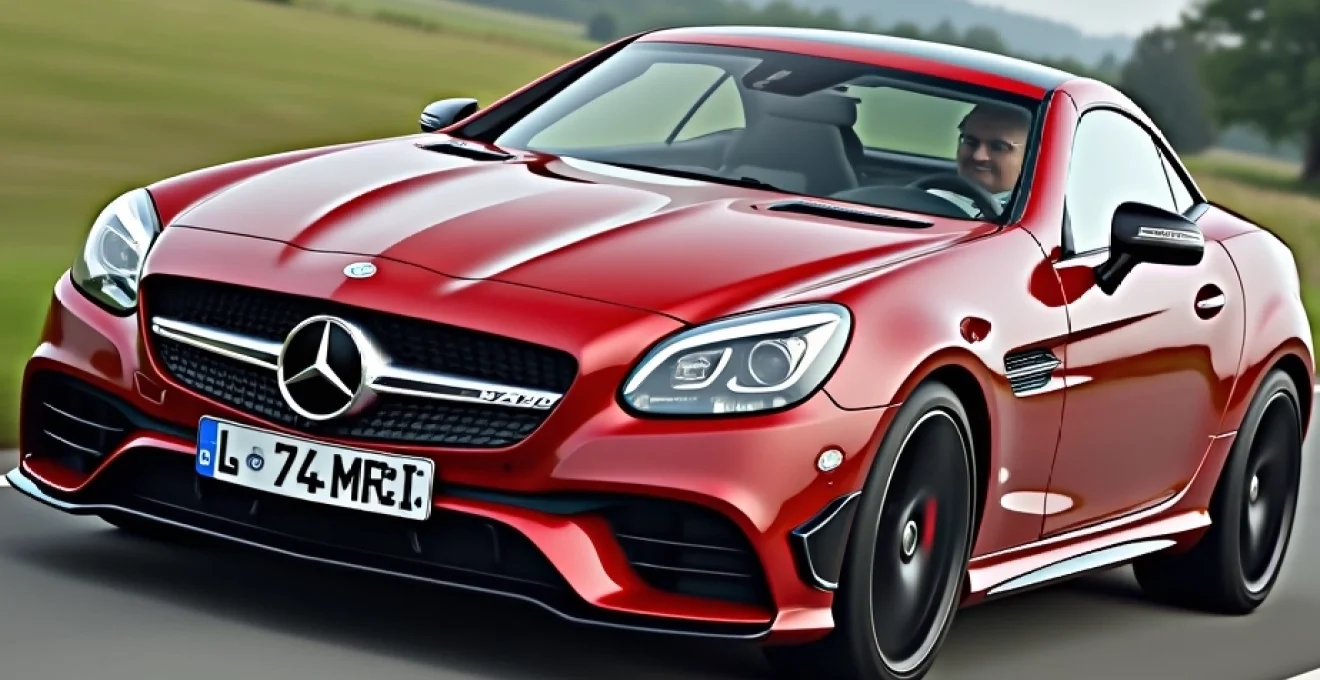
The Mercedes-Benz SLK AMG series represents a compelling chapter in the German manufacturer’s pursuit of combining luxury roadster elegance with genuine high-performance credentials. These compact convertibles emerged during an era when Mercedes sought to broaden its AMG portfolio beyond the traditional saloon and estate formats, targeting enthusiasts who desired accessible performance wrapped in the brand’s signature sophistication. The SLK AMG models, particularly the naturally aspirated variants, have developed a devoted following amongst collectors and driving purists who appreciate their distinctive character in an increasingly turbocharged automotive landscape.
What sets the SLK AMG apart from its standard siblings extends far beyond mere power figures. The engineering philosophy behind these models embraces a more visceral driving experience, incorporating substantial chassis modifications, bespoke suspension tuning, and meticulously calibrated powertrain components. This approach creates vehicles that occupy a unique position in the premium roadster segment, offering a different proposition to rivals like the BMW Z4 M or Porsche Boxster S. The question remains whether these engineering efforts translate into a compelling ownership proposition for today’s discerning enthusiasts.
Mercedes-benz SLK AMG performance specifications and engine analysis
AMG 55 V8 engine power output and torque characteristics
The jewel in the SLK AMG crown remains the naturally aspirated 5.5-litre V8 engine, designated M113 in Mercedes-Benz’s internal nomenclature. This powerplant delivers 360 horsepower at 5,750 rpm alongside 376 lb-ft of torque peaking at 4,000 rpm in its standard configuration. However, the more potent SLK 55 AMG Black Series variant pushes output to an impressive 400 horsepower, achieved through revised cylinder heads, modified intake manifolds, and recalibrated engine management systems.
The engine’s character proves equally significant as its raw specifications. Unlike modern turbocharged alternatives, this naturally aspirated unit delivers power with remarkable linearity, building torque progressively from 2,000 rpm onwards. The throttle response exhibits an immediacy that turbocharged engines struggle to match, creating an intimate connection between driver input and mechanical response that enthusiasts particularly value.
SLK 32 AMG supercharged V6 technical configuration
Prior to the V8’s introduction, Mercedes employed a supercharged 3.2-litre V6 engine in the SLK 32 AMG. This Kompressor unit produced 349 horsepower and 332 lb-ft of torque, utilising a mechanically-driven supercharger rather than exhaust-driven turbocharging. The supercharger arrangement delivers instant torque multiplication without the lag characteristics associated with turbochargers, though it sacrifices some efficiency in exchange for immediate response.
The supercharged V6 configuration demonstrates Mercedes’ early commitment to forced induction technology whilst maintaining the throttle response characteristics that AMG customers expect. This approach proved particularly effective in the relatively lightweight SLK platform, where the reduced weight compared to the V8 alternative improved overall balance and agility through corners.
AMG performance exhaust system and sound engineering
AMG’s exhaust engineering extends beyond mere performance enhancement, incorporating sophisticated acoustic tuning to create the brand’s signature sound profile. The SLK AMG models feature a quad-outlet exhaust system with electronically controlled valves that modulate backpressure and acoustic output based on driving conditions. Under light throttle loads, the system operates quietly to maintain refinement, whilst aggressive inputs trigger valve opening for a more dramatic acoustic experience.
The exhaust note differs significantly between engine variants. The supercharged V6 produces a higher-pitched, more aggressive sound with characteristic supercharger whine, whilst the naturally aspirated V8 delivers a deeper, more resonant bass note with pronounced overrun pops and crackles. These acoustic characteristics contribute substantially to the vehicles’ emotional appeal and driver engagement.
Transmission options: 5G-Tronic and manual gearbox performance
Mercedes offered SLK AMG models with either a five-speed automatic transmission (5G-Tronic) or a six-speed manual gearbox, though manual examples remain exceptionally rare. The automatic transmission incorporates AMG-specific calibration with more aggressive shift patterns, manual override capabilities via steering-mounted paddles, and modified torque converter characteristics for improved response.
The 5G-Tronic system, whilst not offering the ratio spread of modern multi-speed automatics, provides adequate gearing for the SLK’s performance envelope. First gear enables aggressive launches, whilst fifth gear provides relaxed cruising capabilities. The transmission’s greatest weakness lies in its occasionally sluggish responses during rapid sequential shifts, though this characteristic improves significantly when utilising manual mode extensively.
SLK AMG chassis dynamics and suspension technology
AMG sport suspension tuning and damper settings
The SLK AMG chassis receives comprehensive modifications compared to standard variants, incorporating lowered ride height, revised spring rates, and recalibrated damper settings. The front suspension utilises a modified MacPherson strut arrangement with stiffer springs and AMG-tuned dampers, whilst the rear employs a multi-link setup with similar enhancements. These modifications reduce body roll significantly whilst maintaining reasonable ride quality for daily use.
Optional adaptive damping systems allow drivers to select between comfort and sport settings, though even the comfort mode remains noticeably firmer than standard SLK variants. The sport setting transforms the vehicle’s character dramatically, providing exceptional body control at the expense of ride refinement. This dual personality proves particularly valuable for owners who regularly transition between urban commuting and spirited weekend drives.
Electronic stability programme (ESP) integration
Mercedes integrated its Electronic Stability Programme comprehensively throughout the SLK AMG range, though the system’s calibration differs markedly from standard models. The AMG-specific ESP tuning permits greater slip angles before intervention whilst maintaining safety margins. A sport mode reduces system sensitivity further, allowing more adventurous driving whilst retaining ultimate safety backup.
The ESP system’s integration with the engine management proves particularly sophisticated, coordinating throttle reduction, individual wheel braking, and transmission shift patterns to maintain vehicle stability. However, experienced drivers often find the system overly intrusive during aggressive cornering, leading many to disable ESP partially or completely during track sessions or spirited road driving.
Brake system: AMG performance callipers and disc configuration
AMG equips SLK models with substantially upgraded braking systems featuring larger diameter discs, performance-oriented callipers, and aggressive pad compounds. The front discs measure 330mm in diameter with four-piston callipers, whilst the rear employs 300mm discs with single-piston sliding callipers. These specifications provide exceptional stopping power and fade resistance during enthusiastic driving.
The brake pedal feel exhibits the firmness and progressive response that performance-oriented drivers expect, though some find the initial bite overly aggressive for urban driving conditions. The system’s greatest strength lies in its consistency during repeated heavy braking, maintaining performance levels that would overwhelm standard brake systems completely.
Tyre specifications and AMG alloy wheel options
Standard SLK AMG models utilise staggered tyre configurations with wider rear tyres to accommodate the rear-wheel-drive layout and enhance traction during acceleration. Typical fitments include 225/40 R18 front tyres with 255/35 R18 rears, mounted on distinctive AMG alloy wheels. These wheel and tyre combinations prioritise performance over comfort, creating a firm ride quality that some find excessive for daily driving.
The wheel designs vary significantly across model years and optional packages, ranging from relatively conservative five-spoke patterns to more aggressive multi-spoke arrangements. Regardless of style, all AMG wheels incorporate lightweight construction techniques and enhanced strength characteristics to withstand the additional loads generated by increased performance capabilities.
Interior design philosophy and AMG-Specific features
The SLK AMG interior philosophy balances luxury appointments with performance-focused ergonomics, creating an environment that supports both comfortable cruising and spirited driving. AMG-specific elements include sport seats with enhanced bolstering, a flat-bottomed steering wheel wrapped in Nappa leather or Alcantara, and distinctive instrumentation with AMG branding throughout. The seats provide excellent support during cornering whilst maintaining long-distance comfort, though some drivers find the bolstering excessive for daily use.
Material quality remains consistently high throughout the cabin, with extensive use of genuine leather, brushed aluminium, and carbon fibre-effect trim pieces. The dashboard architecture follows Mercedes’ characteristic driver-focused layout, placing essential controls within easy reach whilst maintaining visual elegance. Climate control systems incorporate advanced features like the Airscarf neck-level heating, which enables comfortable top-down driving even during cooler conditions.
Technology integration reflects the era of each model, with earlier examples featuring relatively basic infotainment systems whilst later variants incorporate more sophisticated navigation and connectivity features. The instrument cluster provides comprehensive performance information, including oil temperature, transmission settings, and ESP status indicators that prove valuable during enthusiastic driving sessions.
The AMG interior strikes a compelling balance between luxury comfort and performance functionality, creating an environment that enhances rather than detracts from the driving experience.
Market positioning against BMW Z4 M and audi TT RS competition
The SLK AMG series occupies a unique position within the premium roadster segment, competing directly with models like the BMW Z4 M and various Audi TT RS variants. Against the Z4 M, the Mercedes offers superior refinement and build quality, though the BMW provides sharper handling dynamics and more engaging steering feel. The naturally aspirated engines in both vehicles create similar philosophical approaches to performance delivery, prioritising throttle response over outright efficiency.
Compared to the Audi TT RS, the SLK AMG presents a more mature and luxurious proposition. The Audi’s turbocharged five-cylinder engine delivers superior outright performance and fuel efficiency, but lacks the acoustic drama and throttle response of the Mercedes’ naturally aspirated alternatives. The SLK’s retractable hardtop also provides superior weather protection and theft deterrence compared to the Audi’s fabric roof arrangement.
Porsche’s Boxster S represents perhaps the most direct competitor in terms of driving dynamics and overall philosophy. The Porsche offers superior handling precision and mid-engine balance, whilst the Mercedes counters with greater straight-line performance and luxury appointments. The choice between these alternatives often depends on individual priorities regarding driving engagement versus comfort and prestige considerations.
Market pricing reflects these competitive dynamics, with SLK AMG models typically commanding premiums over equivalent BMW and Audi alternatives whilst remaining more accessible than Porsche competitors. This positioning proves particularly attractive to buyers seeking genuine performance within a luxury framework without the exclusivity penalties associated with more exotic alternatives.
Reliability assessment and common technical issues
SBC brake system known faults and replacement costs
The Sensotronic Brake Control (SBC) system fitted to many SLK AMG models represents one of the most significant reliability concerns facing prospective owners. This electro-hydraulic brake system, designed to provide enhanced performance and integration with stability systems, suffers from actuator pump failures and accumulator sphere degradation. Warning signs include dashboard brake warning lights, unusual brake pedal feel, and grinding noises from the SBC pump during operation.
SBC system replacement costs typically range from £2,000 to £3,500 including labour, making this one of the most expensive potential repairs facing SLK AMG owners. Mercedes extended warranty coverage for SBC systems due to widespread failures, though many vehicles now exceed warranty periods. The system’s complexity means that independent repair options remain limited, typically requiring main dealer attention and genuine Mercedes components.
Roof mechanism hydraulic system maintenance
The retractable hardtop mechanism represents another potential reliability concern, particularly in higher-mileage examples or vehicles that have experienced neglect. The hydraulic system that operates the roof mechanism requires regular fluid changes and component inspection to maintain reliable operation. Common failures include hydraulic pump deterioration, cylinder seal leakage, and mechanical component wear within the folding mechanism itself.
Preventive maintenance proves crucial for roof system longevity, including regular operation regardless of weather conditions and prompt attention to any unusual noises or operational irregularities. Repair costs for major roof mechanism failures can exceed £1,500, though many issues respond to relatively inexpensive maintenance interventions when addressed promptly.
Engine mount deterioration in High-Mileage examples
The substantial torque output of AMG engines places additional stress on engine and transmission mounts compared to standard models. Deteriorated mounts manifest as excessive vibration at idle, clunking noises during aggressive acceleration or deceleration, and misalignment of mechanical components. The naturally aspirated V8 engines prove particularly susceptible to mount deterioration due to their substantial low-frequency vibrations.
Engine mount replacement represents a moderately expensive repair, typically costing £300-500 per mount including labour. Most SLK AMG models utilise multiple mounts, meaning complete replacement can approach £1,000-1,500. However, the repair difficulty remains manageable for competent independent workshops, reducing costs compared to main dealer alternatives.
Electrical system vulnerabilities and SAM unit failures
Mercedes’ Signal Acquisition Module (SAM) units control numerous electrical functions throughout SLK AMG models, and their failure can create diverse operational problems. Symptoms include intermittent electrical faults, component malfunctions, and complete system failures affecting lighting, climate control, or engine management functions. The SLK’s compact packaging and sophisticated electrical architecture increase the likelihood of moisture ingress and connection corrosion.
SAM unit replacement costs vary significantly depending on the specific module affected, ranging from £400 to £1,200 including programming. Some failures respond to repair or rebuilding services offered by specialist companies, potentially reducing costs substantially. However, diagnosis requires sophisticated Mercedes-specific diagnostic equipment, limiting repair options to equipped specialists or main dealers.
Investment potential and current market valuation trends
The SLK AMG series demonstrates increasingly attractive investment characteristics as naturally aspirated high-performance engines become rarer in the marketplace. Values for well-maintained examples, particularly the V8-powered variants, have begun appreciating after several years of depreciation. The Black Series models command particular premiums due to their limited production numbers and enhanced performance specifications, with pristine examples approaching or exceeding their original retail prices.
Market trends favour manual transmission examples, though their extreme rarity means that automatic variants represent the majority of available inventory. Colour combinations significantly impact values, with traditional colours like silver, black, and white maintaining broader appeal than more adventurous alternatives. Mileage proves less critical than maintenance history and overall condition, reflecting the robust nature of well-maintained AMG components.
Future appreciation potential appears strong for several reasons. The transition toward electrification means that naturally aspirated high-performance engines face extinction, creating scarcity value for existing examples. The SLK AMG’s combination of usable performance, luxury appointments, and distinctive character positions these vehicles favourably within the classic car marketplace as they mature beyond mere used car status.
Prospective investors should prioritise examples with comprehensive service histories, original specifications, and minimal modification. The most desirable variants include the SLK 55 AMG Black Series, low-mileage manual transmission examples, and vehicles fitted with desirable optional equipment like adaptive suspension or performance packages. These characteristics typically command premiums that continue expanding as the vehicles become increasingly collectible within enthusiast circles.