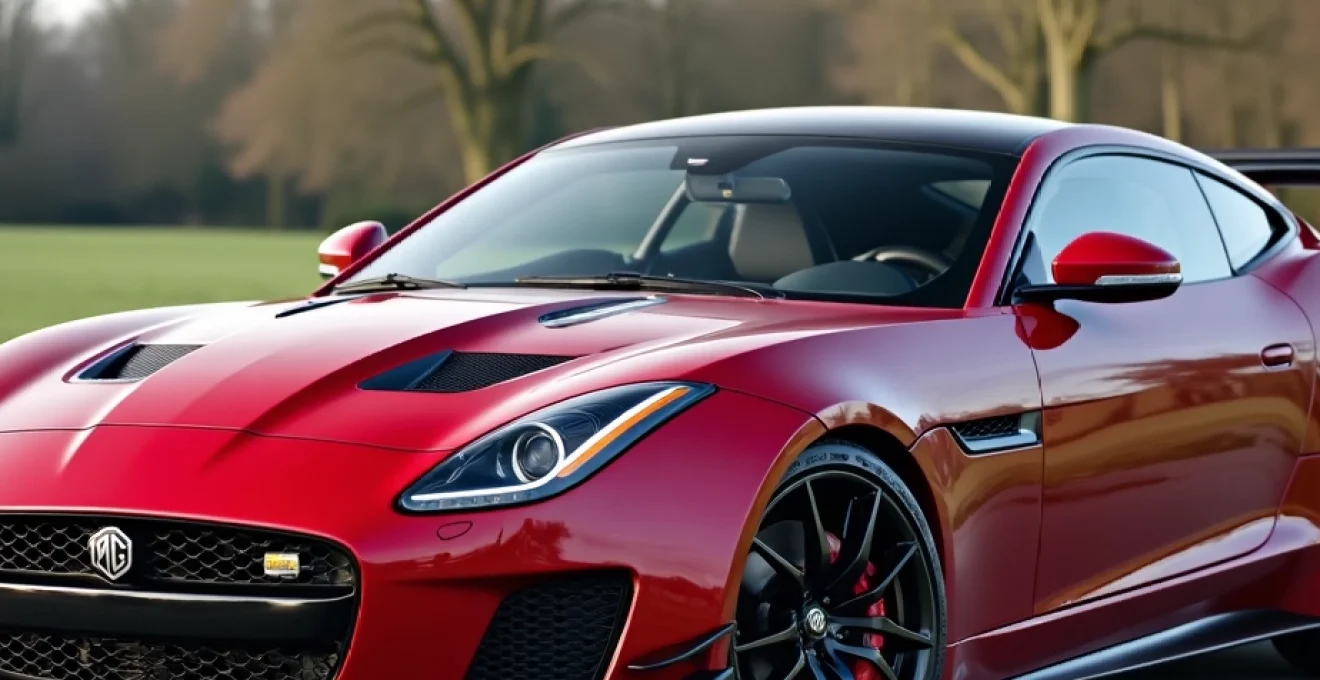
The MG XPower SV-R stands as one of Britain’s most ambitious yet tragic automotive endeavours, representing a bold attempt to compete with established supercar manufacturers during the twilight years of MG Rover. With only 82 units ever produced between 2003 and 2005, this carbon fibre-bodied sports car combined Italian engineering prowess with British design flair, creating a machine that could accelerate from 0-60mph in just 4.9 seconds and reach 175mph. The SV-R’s legacy extends far beyond its impressive performance figures, embodying the entrepreneurial spirit and technical innovation that characterised Britain’s struggling automotive industry during the early 2000s.
MG XPower SV-R development history and engineering origins
The XPower SV-R’s remarkable journey began not in Britain, but in Italy with the De Tomaso Biguá concept unveiled at the 1996 Geneva Motor Show. Designed by legendary stylist Marcello Gandini, famous for the Lamborghini Miura and Countach, the Biguá showcased the potential for a modern interpretation of the classic Italian-American formula combining lightweight European engineering with American V8 power.
Peter stevens design philosophy and aerodynamic integration
When MG Rover acquired the Qvale Mangusta project in 2001, they enlisted Peter Stevens, the celebrated designer behind the McLaren F1 and Jaguar XJR-15, to completely reimagine the car’s visual identity. Stevens approached the project with a philosophy that emphasised aggressive functionality over mere aesthetic appeal, creating what he described as a road-legal race car that wouldn’t look out of place on a circuit.
The aerodynamic package Stevens developed incorporated numerous active and passive elements designed to enhance high-speed stability. The pronounced front splitter worked in conjunction with carefully sculpted side skirts to manage airflow beneath the vehicle, while the rear diffuser and prominent wing generated substantial downforce at speed. Stevens freely admitted that the styling took inspiration from contemporary films like The Fast and the Furious , reflecting the growing influence of street racing culture on mainstream automotive design.
Ford 4.6-litre V8 engine selection and modification process
The heart of the SV-R remained the proven Ford Modular V8 architecture, albeit significantly enhanced through collaboration with American tuning specialists Roush Performance. The base 4.6-litre unit found in the standard SV was bored out to 5.0 litres for the R variant, incorporating forged internals and modified cylinder heads to handle the increased displacement and performance demands.
Roush’s modifications extended beyond simple capacity increases, with careful attention paid to optimising the engine’s breathing characteristics through revised intake manifolding and exhaust systems. The result was a naturally aspirated powerplant producing 385 horsepower at 6,000rpm and 410Nm of torque, figures that placed the SV-R firmly in supercar territory for its era. The engine’s smooth power delivery characteristics made it surprisingly accessible despite its impressive output, with peak torque arriving at a relatively low 3,750rpm.
Noble M12 platform adaptation and structural reinforcement
While the SV-R’s origins traced back to the Qvale Mangusta rather than the Noble M12, both cars shared similar engineering philosophies regarding lightweight construction and performance-focused design. The SV-R’s steel space frame chassis incorporated FIA-specification roll cage protection seamlessly integrated into the structure, providing exceptional rigidity while maintaining relatively low weight.
The chassis featured strategic reinforcement points designed to handle the substantial torque output of the modified Ford V8, with particular attention paid to the rear suspension mounting points and differential housing. This approach ensured that the chassis could effectively transfer the engine’s power to the road without compromising structural integrity or introducing unwanted flex under extreme loads.
Longbridge production facility and manufacturing constraints
The unique production process for the SV-R highlighted both the ambition and limitations of MG Rover’s resources during this period. Chassis construction took place in Modena, Italy, utilising the expertise of specialist manufacturers Vaccari & Bosi , before mechanical assembly occurred at the same facility. Complete rolling chassis were then shipped to MG Rover’s Longbridge facility for final bodywork fitting, painting, and quality control procedures.
This complex international supply chain, while allowing access to Italian manufacturing expertise, contributed significantly to production costs and logistical challenges. The limited production capacity at Longbridge, combined with MG Rover’s deteriorating financial position, meant that achieving meaningful production volumes was never realistic, ultimately contributing to the project’s commercial failure.
Technical specifications and performance engineering analysis
The SV-R’s impressive performance credentials stemmed from a carefully balanced combination of lightweight construction, potent powerplant, and sophisticated chassis dynamics. With a kerb weight of approximately 1,200kg, the car achieved an excellent power-to-weight ratio that enabled acceleration and handling characteristics comparable to far more expensive European supercars.
Naturally aspirated V8 power delivery characteristics
Unlike many contemporary performance cars that relied on turbocharging or supercharging for enhanced output, the SV-R’s naturally aspirated V8 delivered power in a refreshingly linear and predictable manner. The Roush-tuned 5.0-litre unit produced its maximum 385 horsepower at 6,000rpm, with a broad torque curve that provided strong mid-range performance ideal for both road driving and track applications.
The engine’s characteristics reflected careful optimisation for real-world performance rather than peak power figures. Torque delivery remained strong throughout the rev range , with over 80% of peak torque available from 2,500rpm onwards. This broad power band made the SV-R surprisingly tractable in everyday driving situations despite its track-focused nature, allowing drivers to exploit the car’s performance without requiring constant gear changes.
Six-speed manual gearbox ratios and drivetrain configuration
The SV-R employed a Tremec T45 five-speed manual transmission rather than a six-speed unit, though some sources reference a six-speed option that may have been considered for later production models. The five-speed gearbox featured close ratios optimised for performance driving, with first gear capable of propelling the car to approximately 65mph and top gear providing relaxed cruising at motorway speeds.
The drivetrain configuration incorporated a limited-slip differential as standard equipment, recognising the challenges of effectively managing 385 horsepower through the rear wheels alone. This system proved essential for maintaining traction during aggressive acceleration, particularly when exiting corners or launching from standstill conditions where wheel spin could otherwise compromise performance.
Carbon fibre bodywork construction and weight distribution
The SV-R’s extensive use of carbon fibre represented one of its most significant technological achievements, with the bodywork comprising over 3,000 individual pieces of carbon fibre material. This construction method, while expensive and labour-intensive, resulted in exceptional strength-to-weight ratios and allowed for complex aerodynamic shapes that would have been difficult to achieve using traditional materials.
The carbon fibre construction process involved cutting materials to size in the UK before shipping to Italy, where each component was hand-laid in moulds and cured under precisely controlled conditions to achieve optimal structural properties.
Weight distribution achieved an impressive 52:48 front-to-rear split, despite the substantial mass of the V8 engine. This balance resulted from careful positioning of components and the use of lightweight materials throughout the construction, contributing significantly to the car’s exceptional handling characteristics and stability at high speeds.
Suspension geometry and Track-Focused calibration settings
The SV-R’s suspension system utilised MacPherson struts at the front with double wishbones at the rear, a configuration that provided excellent geometric control while maintaining reasonable production costs. The suspension calibration prioritised handling precision over ride comfort, with relatively stiff spring rates and aggressive damper settings that minimised body roll during cornering.
Track-focused alignment settings included increased negative camber angles and toe settings optimised for circuit driving rather than straight-line stability. These characteristics made the SV-R exceptionally responsive to steering inputs and capable of maintaining high cornering speeds, though they could make the car feel somewhat unsettled on uneven road surfaces during normal driving conditions.
Brembo braking system integration and heat management
The braking system featured large ventilated discs supplied by AP Racing, with four-piston calipers providing exceptional stopping power appropriate for the car’s performance capabilities. Disc dimensions measured 330mm at the front and 310mm at the rear, with cross-drilled rotors enhancing heat dissipation during intensive use.
Heat management proved crucial given the SV-R’s track-focused nature, with carefully designed brake cooling ducts channelling airflow to the rotors and calipers. The system demonstrated remarkable resistance to fade during extended high-performance driving, though the aggressive pad compounds could produce significant noise and dust during normal road use.
Market positioning against contemporary supercars
The SV-R entered a highly competitive market segment dominated by established manufacturers with decades of supercar experience. Priced at approximately £83,000 when new, the car positioned itself against vehicles like the Porsche 911 Turbo, Lotus Esprit V8, and entry-level Ferrari models, representing a significant premium over mainstream sports cars but competitive pricing within the supercar category.
Lotus elise 340R and caterham R500 performance comparisons
When compared to lightweight British alternatives like the Lotus Elise 340R, the SV-R offered a completely different approach to performance. While the Elise achieved impressive acceleration through minimal weight and precise handling, the SV-R relied on substantial power and sophisticated engineering to achieve similar performance metrics through a more conventional grand touring format.
The Caterham R500, representing the extreme end of lightweight performance, could match or exceed the SV-R’s acceleration figures while weighing nearly 400kg less. However, the MG offered significantly greater refinement, weather protection, and long-distance comfort, appealing to enthusiasts seeking supercar performance without sacrificing everyday usability. These fundamental differences highlighted the diverse approaches to achieving high performance within the British sports car market .
TVR sagaris and westfield XTR2 market segment analysis
The TVR Sagaris, launched around the same time as the SV-R, represented perhaps the closest direct competitor in terms of philosophy and market positioning. Both cars combined aggressive styling with potent naturally aspirated engines and track-focused dynamics, though the TVR’s reputation for unpredictability contrasted sharply with the SV-R’s more refined character.
Specialist manufacturers like Westfield occupied a different market segment entirely, focusing on ultra-lightweight construction and circuit-specific performance rather than the grand touring capabilities that the SV-R attempted to provide. This positioning allowed the MG to appeal to buyers seeking exotic performance without the compromises typically associated with track-day specials or kit cars.
Noble M400 and radical SR3 track day competition
The Noble M400, with its mid-mounted Ford V6 turbo engine, offered comparable performance to the SV-R while maintaining a lower purchase price and potentially superior handling balance. Noble’s focus on pure driving experience over luxury appointments created a compelling alternative for enthusiasts prioritising performance over prestige.
Track-focused machines like the Radical SR3 operated in a completely different category, offering racing car performance at road car prices but with significant compromises in terms of comfort and practicality. The SV-R’s attempt to bridge this gap between road and track capabilities represented both its greatest strength and fundamental weakness in market terms.
Production numbers and variant identification guide
Understanding the various SV-R variants requires careful examination of production records, as different sources cite varying total production figures ranging from 42 to 82 units across all variants. The confusion stems partly from the inclusion of development prototypes and the distinction between completed cars and rolling chassis in various tallies.
The standard SV utilised the 4.6-litre Ford V8 producing 320 horsepower, representing the entry point into the XPower range despite its exotic construction and performance capabilities. Production of this variant began in 2003, with cars assembled in Italy before final completion at Longbridge. Build quality varied somewhat between early and late production examples, reflecting ongoing development and refinement processes.
The SV-R variant, introduced in 2004, featured the enlarged 5.0-litre Roush-tuned engine producing 385 horsepower, along with subtle exterior modifications including revised aerodynamic components and unique wheel designs.
Prototype variants included the SV-S and SV-RS designations, with some experimental models reportedly fitted with supercharged engines producing over 450 horsepower. These developmental vehicles never reached production due to MG Rover’s financial collapse, though they demonstrated the potential for even more extreme performance variants had the company survived.
Identification of genuine SV-R models requires verification of engine specifications, build dates, and documentation, as the limited production numbers and complex manufacturing process created opportunities for confusion regarding authentic examples. Original purchase documentation and service records provide the most reliable method for confirming a vehicle’s specification and provenance.
Current market valuation and investment potential assessment
The SV-R’s extreme rarity has created a fascinating collector car market characterised by infrequent sales and significant price volatility. Current market values typically range from £50,000 for standard SV examples to approaching £100,000 for well-preserved SV-R variants with low mileage and comprehensive documentation. These figures represent substantial appreciation from the original purchase prices, though they remain accessible compared to comparable Italian or German supercars from the same era.
Investment potential appears strong given the combination of rarity, performance credentials, and historical significance as MG’s final attempt at supercar production. The limited production numbers ensure that supply will remain constrained, while growing recognition of the car’s technical achievements and unique position in British automotive history supports long-term value appreciation prospects.
Market liquidity remains limited due to the small number of examples in circulation, meaning that purchase decisions often require patience and flexibility regarding specific variants or colours. Buyers should expect to wait considerable periods between suitable examples appearing for sale , particularly for the more desirable SV-R specification with comprehensive service records and original documentation.
The investment case strengthens when considering the SV-R within the broader context of British supercar production, where it represents one of the last attempts by a major British manufacturer to compete directly with established European rivals using traditional naturally aspirated engine technology and carbon fibre construction methods.
Ownership experience and maintenance considerations for collectors
Owning an SV-R presents unique challenges and rewards that reflect both its exotic construction and limited production numbers. The Ford V8 engine provides relatively straightforward maintenance requirements compared to more exotic powerplants, with parts availability remaining reasonable due to the motor’s use in various Ford applications throughout its production life.
Carbon fibre bodywork requires specialist knowledge for any repair work, with original replacement panels essentially unavailable due to the cessation of production. Minor damage can often be repaired by experienced composite specialists, though major structural repairs may prove prohibitively expensive or impossible to complete to original standards. This reality makes careful inspection essential before purchase, particularly regarding accident history or previous repair work.
- Engine maintenance follows Ford V8 service schedules with readily available parts and specialist knowledge
- Carbon fibre repairs require specialist facilities and expertise, with limited replacement panel availability
- Electrical systems utilise various donor car components that may require specialist knowledge to diagnose
- Suspension components and brake parts remain available through performance aftermarket suppliers
The electrical systems incorporate components from various manufacturers, including Fiat HVAC controls and Ford switchgear, creating potential challenges for diagnosis and repair. However, the relatively conventional nature of these systems compared to modern electronic architectures means that competent automotive electricians can typically address most issues with appropriate diagnostic equipment and patience.
Running costs prove surprisingly reasonable for a supercar, with fuel consumption achieving approximately 20mpg during mixed driving and insurance costs reflecting the car’s limited production and relatively low accident rates. Annual maintenance expenses typically range from £2,000-£4,000 depending on usage patterns and required work, though major component failures or accident damage can significantly increase these figures. The key to successful SV-R ownership lies in finding knowledgeable specialists familiar with the car’s unique characteristics and maintaining detailed service records to preserve both reliability and resale value.