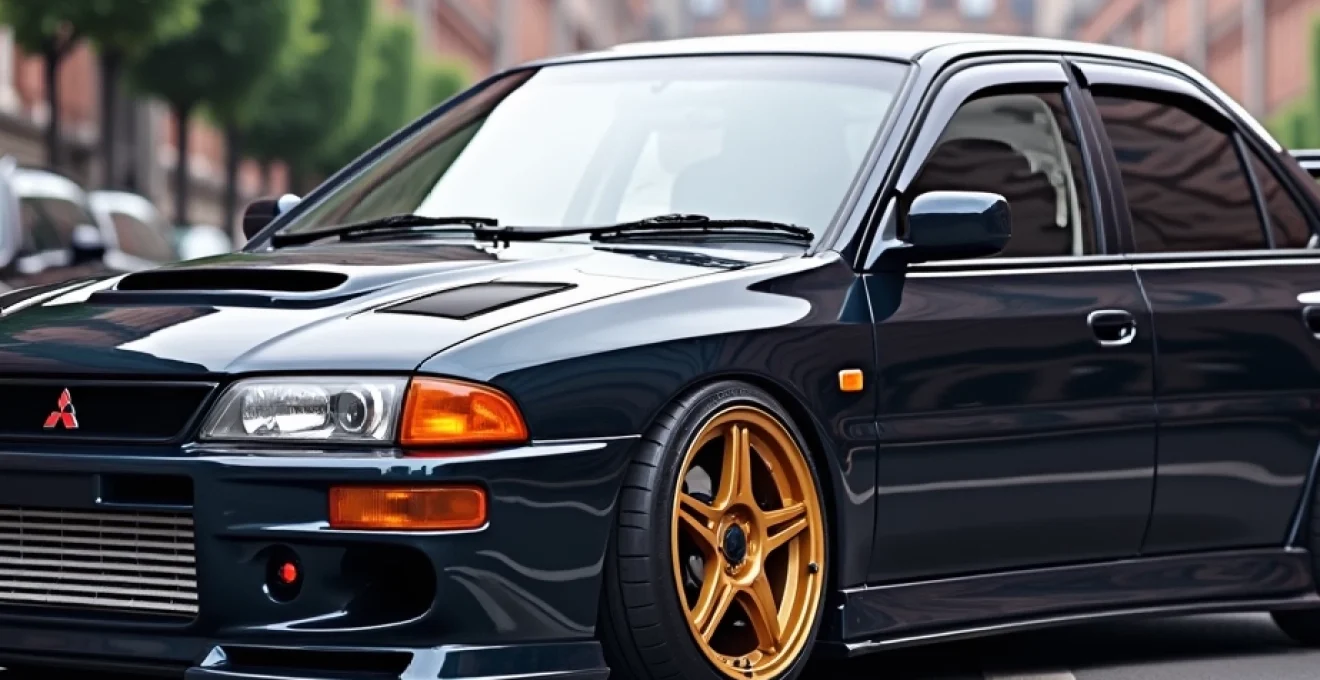
The Mitsubishi Lancer Evolution III stands as one of the most coveted rally-bred performance saloons from the golden era of Japanese motorsport homologation specials. Built between 1995 and 1996, this third-generation Evolution represents the pinnacle of the CE9A platform before Mitsubishi transitioned to the more refined fourth-generation model. When considering purchasing one of these increasingly rare machines, thorough inspection becomes paramount due to their age, high-performance nature, and the varying quality of previous ownership.
Unlike its more modern successors, the Evolution III carries particular significance for enthusiasts who appreciate its raw, unfiltered character and superior build quality compared to later generations. However, this desirability comes with inspection challenges that require keen attention to detail and understanding of the specific failure points that plague these twenty-eight-year-old performance icons. Every potential buyer must approach the inspection process with methodical precision to avoid costly surprises.
Engine bay inspection points for the 4G63T turbocharged unit
The heart of the Evolution III lies in its legendary 4G63T turbocharged engine, a powerplant that has achieved near-mythical status among tuning enthusiasts worldwide. This 2.0-litre unit produces 270 horsepower in standard form, though many examples have been modified over the years. The engine’s robust construction means it can handle significant power increases, but this durability doesn’t exempt it from age-related deterioration that requires careful scrutiny during inspection.
Engine oil condition provides the first crucial indicator of internal health. Fresh, clean oil suggests conscientious maintenance , while contaminated or metallic-flecked oil indicates potential internal wear or inadequate servicing intervals. Pay particular attention to the oil filler cap and dipstick for signs of mayonnaise-like deposits, which could indicate head gasket issues or inadequate engine warming cycles.
The 4G63T engine’s reputation for reliability stems from proper maintenance rather than inherent invincibility, making thorough inspection of service records essential.
Turbocharger TD05 wastegate actuator movement and boost leak testing
The Evolution III employs a Mitsubishi TD05 turbocharger, known for its robust construction but susceptible to specific failure modes after decades of use. Begin inspection by examining the wastegate actuator arm movement – it should move smoothly without binding or excessive play. A seized wastegate actuator can lead to overboosting conditions that may damage the engine, while excessive play indicates internal wear requiring turbocharger rebuild or replacement.
Boost leak testing reveals critical information about the entire pressurised air system’s integrity. Even minor boost leaks can significantly impact performance and fuel economy , particularly problematic for Evolution III owners who frequently track their vehicles. Visual inspection should focus on intercooler piping joints, vacuum lines, and the intercooler core itself for signs of oil contamination or physical damage.
Intercooler core condition and piping integrity assessment
The standard intercooler often shows signs of impact damage from road debris, manifesting as bent cooling fins or core perforation. Oil residue within the intercooler pipes indicates turbocharger seal deterioration, while excessive play in pipe connections suggests worn clamps or damaged pipe ends. Intercooler efficiency drops significantly with even minor core damage , affecting both performance and engine longevity through increased intake temperatures.
Examine the intercooler mounting points for stress cracks, particularly where the unit connects to the front bumper support structure. Evolution III models frequently experience mounting bracket failure due to the intercooler’s weight and vibration loads, leading to misalignment and potential piping disconnection under boost conditions.
Timing belt tensioner wear and camshaft timing verification
Timing belt service intervals become critical on interference engines like the 4G63T, where belt failure results in catastrophic valve-to-piston contact. The Evolution III uses a complex timing system with multiple tensioners and idler pulleys that wear over time. Belt condition assessment requires removal of the upper timing cover , revealing the belt’s condition and tensioner operation.
Camshaft timing verification using a timing light ensures previous belt services were performed correctly. Incorrect timing affects both performance and engine longevity, with symptoms ranging from poor idle quality to detonation under load. Many Evolution III examples have been modified with aftermarket camshafts, requiring verification that timing has been adjusted accordingly.
Oil feed and return line inspection for turbo lubrication
Turbocharger lubrication depends entirely on oil feed and return line integrity, making their inspection crucial for long-term reliability. The oil feed line should show no signs of external leakage or internal restriction, while the return line must drain freely to prevent oil starvation or seal failure. Oil return line blockage represents one of the most common causes of turbocharger failure in high-mileage Evolution III examples.
Remove the oil return line at the sump connection to verify internal condition – sludge buildup or carbon deposits indicate poor maintenance or extended oil change intervals. The banjo bolt connections at both feed and return lines frequently develop leaks, creating fire hazards and oil starvation conditions that destroy turbocharger bearings.
ECU connector corrosion and wiring harness deterioration
Japanese market Evolution III models feature sophisticated engine management systems for their era, but age-related electrical problems plague many examples. ECU connector corrosion affects signal quality and can cause intermittent running problems that prove difficult to diagnose. Green corrosion on connector pins indicates moisture ingress requiring immediate attention to prevent ECU damage.
Engine wiring harness inspection reveals common failure points where heat and vibration cause insulation breakdown. Pay particular attention to injector wiring, ignition coil connections, and sensor wiring near the exhaust manifold. Many Evolution III examples have been modified with aftermarket engine management, requiring verification of professional installation and proper integration with existing systems.
Drivetrain system analysis: active yaw control and viscous LSD
The Evolution III’s sophisticated all-wheel-drive system represents advanced technology for its era, employing viscous coupling technology and mechanical limited-slip differentials to deliver exceptional traction and handling characteristics. This system’s complexity means multiple potential failure points that can dramatically affect both performance and driving dynamics. Understanding these components’ operation becomes essential for proper inspection and maintenance planning.
Unlike modern electronic systems, the Evolution III relies on mechanical and viscous coupling technologies that wear progressively over time. System degradation often occurs gradually , making symptoms subtle until failure becomes complete. The interconnected nature of the drivetrain means that failure in one component often accelerates wear in others, creating cascading maintenance requirements that can prove expensive if neglected.
Centre differential viscous coupling fluid contamination signs
The viscous coupling unit contains silicone fluid that thickens with heat cycling and age, fundamentally altering the system’s operation characteristics. Contaminated viscous coupling fluid manifests through increased drivetrain binding during parking maneuvers and uneven tire wear patterns that suggest excessive torque transfer between axles. Viscous coupling degradation typically occurs between 80,000-120,000 miles depending on driving conditions and maintenance quality.
External inspection reveals fluid leakage through case seals, while operational testing requires low-speed turning to assess binding characteristics. Excessive binding indicates fluid breakdown requiring complete viscous coupling replacement – a procedure that demands transmission removal and significant labour costs.
Rear limited slip differential clutch pack wear assessment
The mechanical limited-slip differential employs clutch packs that wear through normal operation, with wear rates accelerating under track use or aggressive driving conditions. Worn clutch packs manifest through reduced traction under acceleration and increased understeer characteristics during cornering. Clutch pack wear assessment requires operational testing under various load conditions to evaluate differential locking effectiveness.
Oil condition within the rear differential provides crucial wear indicators – metallic particles suggest clutch pack deterioration while burnt odours indicate overheating from excessive slip. Many owners modify differential oil viscosity to alter locking characteristics, requiring verification that appropriate specifications are maintained for clutch pack longevity.
Transfer case oil seal leakage points
Transfer case oil seals represent common failure points that create both fluid loss and potential contamination issues. Input and output shaft seals typically fail first, creating visible leakage patterns that indicate internal wear or inadequate maintenance intervals. Seal replacement often requires transfer case removal , making early detection crucial for cost-effective repairs.
Internal inspection through oil analysis reveals bearing wear particles and friction material contamination that suggest impending component failure. The transfer case operates under high loads and temperatures, making quality oil changes essential for longevity. Many Evolution III examples show evidence of modified transfer case ratios requiring verification of proper gear oil specifications.
Driveshaft CV joint boot integrity and universal joint play
Constant velocity joints operate under extreme conditions in performance applications, with boot integrity becoming critical for joint longevity. Torn CV joint boots allow contaminant ingress and grease loss, rapidly destroying expensive joint assemblies. Boot inspection requires visual examination of all four outer joints and both inner joints for cracks, tears, or grease contamination evidence.
Universal joint play assessment involves checking for movement in driveshaft assemblies under load. Excessive play indicates bearing wear requiring immediate attention to prevent driveshaft failure and potential damage to surrounding components. The Evolution III’s high torque output accelerates joint wear, particularly in modified examples producing increased power levels.
Suspension component wear patterns: strut tower reinforcement areas
The Evolution III employs MacPherson strut front suspension and multi-link rear suspension designed to handle significant loads generated by the high-performance drivetrain and aggressive driving characteristics. However, the combination of performance driving, age, and varying maintenance quality creates specific wear patterns that require detailed inspection. Suspension geometry affects both handling characteristics and tire wear patterns, making proper assessment crucial for determining overall vehicle condition.
Strut tower reinforcement represents a critical structural element often overlooked during casual inspections. The Evolution III features additional bracing compared to standard Lancer models, but stress concentrations still develop over time. Crack development in strut tower areas indicates serious structural issues that affect handling precision and safety margins. These cracks often begin as hairline fractures barely visible to casual inspection but propagate rapidly under continued load cycling.
Shock absorber condition dramatically affects handling characteristics and tire wear patterns. Original Bilstein dampers were calibrated specifically for the Evolution III’s spring rates and handling characteristics, but many examples now feature aftermarket alternatives with varying quality levels. Damper wear manifests through oil leakage, reduced damping effectiveness, and handling degradation that becomes apparent during spirited driving or track use.
Bushing deterioration represents another common issue affecting suspension precision and NVH characteristics. Rubber bushings harden with age and develop cracks that allow excessive movement in suspension components. Polyurethane bushing upgrades are common modifications that alter handling characteristics while potentially increasing noise and vibration levels. Proper bushing condition assessment requires both visual inspection and operational testing to evaluate movement under load.
Suspension component wear accelerates significantly in Evolution III examples used for track events or aggressive street driving, making thorough inspection essential for safety and performance.
Brake system evaluation: brembo caliper functionality
The Evolution III features Brembo brake calipers front and rear, representing serious stopping hardware designed for high-performance applications. These systems provide exceptional braking performance when properly maintained but require specific attention to component condition and brake fluid quality. Brake system inspection becomes particularly critical given the vehicle’s performance capabilities and typical enthusiast ownership patterns that often include track use.
Caliper piston condition affects both braking effectiveness and pad wear patterns. Seized pistons create uneven pad wear and reduced stopping power, while leaking piston seals contaminate brake pads and reduce pedal feel quality. Brembo caliper rebuilds require specific expertise and genuine parts to maintain original performance characteristics. Many examples show evidence of brake modifications including larger rotors or different pad compounds that alter system balance.
Brake fluid condition provides crucial insight into system maintenance quality and potential internal corrosion issues. Dark, contaminated fluid suggests extended service intervals that may have caused internal component damage. The Evolution III’s performance-oriented brake system generates significant heat that breaks down brake fluid more rapidly than conventional applications, making regular fluid changes essential for proper operation and component longevity.
Brake disc condition assessment includes measuring thickness variation and checking for stress cracks that develop under heavy use. Original Brembo discs are no longer available , making replacement disc selection critical for maintaining braking balance and pedal feel characteristics. Warped or cracked discs affect both performance and safety while potentially damaging expensive caliper components through excessive heat transfer and vibration.
Bodywork corrosion susceptibility: japanese import considerations
Japanese market Evolution III models face unique corrosion challenges when imported to different climatic conditions, particularly in regions that employ road salt during winter months. The combination of age, performance modifications, and exposure to corrosive environments creates specific inspection requirements that differ from domestic market vehicles. Understanding these corrosion patterns becomes essential for making informed purchasing decisions and planning maintenance requirements.
Paint condition often masks underlying corrosion issues that may not become apparent until damage reaches advanced stages. Japanese market vehicles typically feature thinner paint applications compared to export models, making them more susceptible to stone chip damage and subsequent corrosion development. Professional paint thickness measurement reveals previous accident damage or extensive paintwork that may indicate hidden structural issues requiring detailed investigation.
Rear wheel arch rust perforation behind plastic trim
Rear wheel arch areas represent the most common corrosion location on Evolution III examples, with rust typically developing behind plastic arch extensions where moisture accumulates. This hidden corrosion often progresses to perforation before becoming visible externally, making thorough inspection essential. Plastic trim removal reveals the true extent of arch corrosion that may require extensive metalwork to rectify properly.
Drainage hole blockages accelerate corrosion development by preventing moisture evacuation from critical areas. Clear all drainage holes and verify proper water flow to prevent accumulation that leads to accelerated rust development. The Evolution III’s aggressive styling includes numerous areas where water can collect, making proper drainage essential for long-term preservation.
Door frame drain hole blockages and water ingress damage
Door frame drainage systems require particular attention due to their complexity and tendency to block with debris over time. Blocked drain holes allow water accumulation that creates ideal conditions for corrosion development in structural areas. Water ingress through compromised door seals compounds this issue by introducing moisture to interior areas where it may not be immediately apparent.
Interior water damage manifests through carpet dampness, electrical problems, and musty odours that indicate ongoing moisture issues. Electrical components suffer particular damage from water ingress , creating intermittent problems that prove difficult and expensive to rectify. The Evolution III’s complex electrical systems make moisture-related damage particularly problematic for long-term reliability.
Sill panel structural integrity beneath side skirt extensions
Structural sill panels remain hidden beneath side skirt extensions but represent critical load-bearing components that require thorough inspection. Corrosion in these areas affects chassis rigidity and may indicate more widespread structural issues throughout the vehicle. Side skirt removal allows proper sill inspection but requires careful handling to prevent damage to mounting points and clips.
Jack point reinforcement areas show specific wear patterns from improper lifting procedures or corrosion damage that weakens these critical structural elements. Proper jack point condition is essential for safe vehicle maintenance and indicates overall structural integrity throughout the chassis. Many Evolution III examples show evidence of impact damage or improper repair work that compromises structural strength and handling characteristics.
Interior systems and rally heritage components
The Evolution III interior combines functional rally-inspired elements with period-appropriate Japanese automotive design philosophy, creating a unique environment that balances performance focus with daily usability. Interior inspection reveals crucial information about overall vehicle care and potential electrical system issues that may prove expensive to rectify. The sophisticated instrumentation and control systems represent advanced technology for their era but require specific attention to component condition and operational functionality.
Recaro seat condition provides immediate insight into vehicle usage patterns and owner care levels. These supportive seats feature specific wear points where bolster material typically deteriorates first, particularly on the driver’s side. Seat mechanism operation should be smooth and precise without binding or excessive play that indicates worn adjustment mechanisms. Many Evolution III examples feature aftermarket seat modifications that may affect safety system integration and require verification of proper installation procedures.
Dashboard instrumentation functionality requires systematic testing of all gauges and warning systems to identify potential electrical issues or sensor failures. The Evolution III features comprehensive monitoring systems including boost gauge, oil pressure, water temperature, and various warning lights that indicate critical system status. Gauge accuracy becomes particularly important for performance applications where precise monitoring prevents engine damage through early warning of developing problems.
Electrical system integrity affects multiple vehicle systems from engine management to interior convenience features. Wiring harness inspection reveals common failure points where age and heat cycling cause insulation breakdown and potential short circuits. The Evolution III’s complex electrical architecture makes systematic fault diagnosis essential for identifying intermittent problems that may not manifest during brief test drives but create ongoing reliability concerns.
Air conditioning system operation provides insight into overall maintenance quality and potential refrigerant system issues. Original R134a systems require specific attention to compressor operation and refrigerant charge levels that affect both cooling performance and component longevity. AC system modifications or conversions require verification of proper installation and component compatibility to prevent expensive compressor failure or electrical system damage.
Sound system functionality testing reveals potential electrical issues and provides insight into previous modification quality. Many Evolution III examples feature aftermarket audio systems that may have been installed without proper integration with vehicle electrical systems. Poor installation practices can create ongoing electrical problems affecting other vehicle systems while potentially voiding insurance coverage through non-professional modification work.
The Evolution III’s interior represents a time capsule of 1990s Japanese performance car philosophy, where functionality takes precedence over luxury while maintaining essential creature comforts for daily usability.
Window regulator mechanisms frequently fail in twenty-eight-year-old vehicles, creating both convenience issues and potential security concerns. Manual window operation may indicate failed electric motors or damaged regulator assemblies requiring expensive replacement parts that are increasingly difficult to source. Power window system diagnosis requires systematic testing of switches, wiring, and motor assemblies to identify root causes of operational failures.
Climate control system complexity in Evolution III models includes multiple actuator motors and blend doors that wear over time and develop operational problems. Heating system effectiveness indicates cooling system condition and potential heater core issues that may require dashboard removal for repair. Air distribution problems suggest actuator failures or vacuum system leaks that affect both comfort and windscreen demisting effectiveness essential for safety in adverse weather conditions.