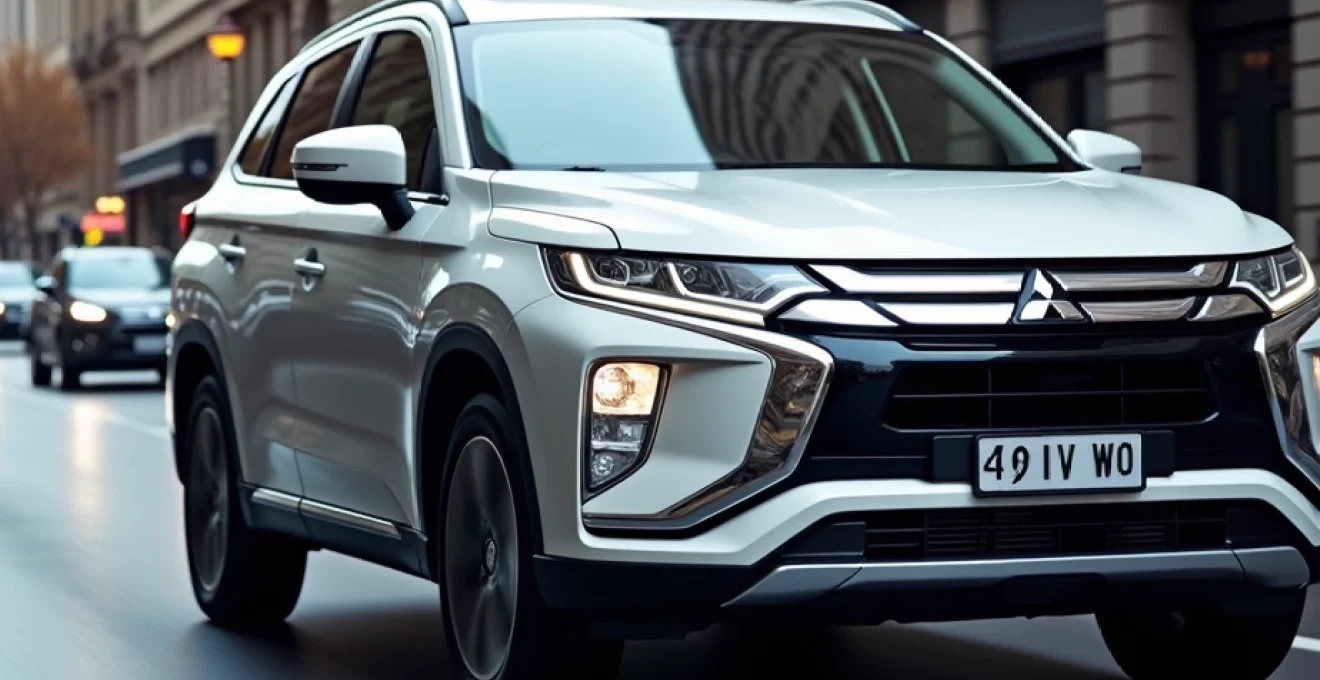
The Mitsubishi Outlander PHEV has established itself as a pioneering force in the plug-in hybrid SUV market since its debut in 2013. This innovative vehicle combines electric propulsion with traditional petrol power, offering drivers the promise of reduced emissions and improved fuel efficiency. However, beneath its impressive technological facade lies a complex array of systems that can present significant challenges for owners. From battery degradation issues affecting early model years to sophisticated drivetrain complications that require specialist knowledge, the Outlander PHEV demonstrates that cutting-edge automotive technology often comes with a steep learning curve. Understanding these potential pitfalls is essential for current and prospective owners who wish to maintain their vehicle’s performance and avoid costly repairs.
Mitsubishi outlander PHEV battery system malfunctions and degradation issues
The heart of any plug-in hybrid vehicle lies in its battery system, and the Outlander PHEV’s lithium-ion pack has proven to be both its greatest asset and most significant weakness. Battery-related problems represent the most expensive and technically challenging issues that owners face, often requiring specialist diagnostics and replacement costs that can exceed £10,000.
Traction battery pack capacity loss in 2014-2017 model years
Early Outlander PHEV models, particularly those manufactured between 2014 and 2017, have exhibited substantial battery capacity degradation that exceeds normal expectations. Many owners report experiencing a 20-30% reduction in electric-only range within the first 50,000 miles, significantly impacting the vehicle’s efficiency and resale value. This degradation often manifests as reduced charging capacity, shorter electric driving distances, and increased reliance on the petrol engine during what should be electric-only operations.
The root cause of this premature capacity loss stems from inadequate thermal management systems in early production models. Battery cells operate most efficiently within specific temperature ranges, and prolonged exposure to extreme temperatures accelerates chemical degradation. Owners who frequently rapid-charge their vehicles or operate in consistently hot climates often experience the most severe capacity reductions, as these conditions place additional stress on the battery chemistry.
EV battery temperature management system failures
The thermal management system responsible for maintaining optimal battery temperatures has proven problematic across multiple model years. When this system fails, you may notice warning lights appearing on your dashboard, accompanied by reduced charging speeds and limited electric-only range. The cooling system utilises a dedicated coolant circuit that can develop leaks, particularly around connection points and heat exchangers.
Temperature sensor malfunctions within the battery pack create additional complications, as the vehicle’s computer systems rely on accurate temperature readings to manage charging rates and discharge patterns. When sensors provide incorrect data, the Battery Management System may impose unnecessary restrictions on battery performance, resulting in frustrating limitations during daily driving. Replacement of these sensors requires partial dismantling of the battery pack, making repairs both time-consuming and expensive.
Charging port connector corrosion and water ingress problems
The charging port assembly, despite being designed to withstand outdoor conditions, has demonstrated vulnerability to moisture ingress and subsequent corrosion. This issue particularly affects vehicles that undergo frequent outdoor charging or operate in coastal environments where salt air accelerates corrosion processes. Corroded charging pins create high-resistance connections that generate excessive heat during charging cycles, potentially damaging both the vehicle’s charging system and external charging equipment.
Water ingress into the charging port can trigger cascading electrical problems throughout the vehicle’s high-voltage system. Moisture contamination may cause intermittent charging failures, error codes related to ground faults, and in severe cases, complete charging system shutdown. The protective flaps covering the charging sockets have also shown tendency to become misaligned or damaged, compromising their weather-sealing effectiveness and allowing moisture to accumulate within the connector housing.
Battery management unit (BMU) software glitches and error codes
The sophisticated Battery Management Unit responsible for monitoring and controlling the high-voltage battery system has exhibited various software-related malfunctions across different model years. These glitches often manifest as erratic state-of-charge readings , preventing accurate range estimation and causing the vehicle to prematurely switch to hybrid mode when sufficient battery capacity remains available.
Common error codes include warnings related to cell voltage imbalances, charging system faults, and communication failures between battery modules. While software updates can resolve many of these issues, some problems require physical replacement of control modules, particularly in cases where memory corruption has occurred. The complexity of these systems means that diagnostic procedures often require specialised equipment and training that not all service centres possess.
Plug-in hybrid drivetrain and transmission complications
The Outlander PHEV’s innovative drivetrain system, while technologically impressive, presents unique maintenance challenges that differ significantly from conventional vehicles. The integration of electric motors, a petrol engine, and sophisticated control systems creates multiple potential failure points that require specialised knowledge to diagnose and repair effectively.
Twin motor 4WD system synchronisation faults
The dual electric motor configuration that provides all-wheel drive capability can develop synchronisation issues that affect vehicle stability and performance. When the front and rear motors fall out of sync, you may experience unusual vibrations, particularly during acceleration or when transitioning between electric and hybrid modes. These synchronisation faults often result from software calibration problems or mechanical wear in the motor bearings and reduction gears.
Diagnostic procedures for motor synchronisation problems require specialised test equipment capable of monitoring high-voltage systems while the vehicle operates. Traditional automotive diagnostic tools cannot access the proprietary communication protocols used by the motor control units, making these repairs exclusively dependent on Mitsubishi-specific diagnostic equipment. Motor replacement costs can exceed £5,000 per unit, making prevention through regular maintenance particularly important.
CVT transmission juddering and overheating in 2013-2016 models
Early production Outlander PHEV models utilised a continuously variable transmission (CVT) that has demonstrated poor longevity under the unique stresses of hybrid operation. The combination of instant electric motor torque and traditional engine power creates operating conditions that exceed the CVT’s design parameters, leading to premature wear of internal components and transmission fluid degradation.
Owners frequently report experiencing juddering sensations during acceleration , particularly when transitioning from electric to hybrid mode. This symptom typically indicates wear in the CVT’s steel belt or pulley surfaces, conditions that worsen rapidly once initial damage occurs. Overheating problems compound these issues, as elevated temperatures accelerate fluid breakdown and reduce the effectiveness of internal friction materials.
Regenerative braking system inconsistencies and brake pedal feel issues
The regenerative braking system, designed to recover energy during deceleration, can develop inconsistencies that affect both performance and safety. Many owners report experiencing unpredictable brake pedal feel, with the pedal sometimes feeling spongy or requiring excessive pressure to achieve adequate stopping power. These symptoms often indicate problems with the brake-by-wire system that coordinates between regenerative and friction braking.
Calibration drift in the regenerative braking system can cause the vehicle to brake more aggressively than intended, particularly when using the paddle shifters to adjust regenerative intensity. This unpredictability creates safety concerns and makes smooth driving difficult to achieve. The complex interaction between multiple braking systems requires precise calibration that can be disrupted by software updates or component replacements.
MIVEC engine integration problems with electric motor handover
The 2.4-litre MIVEC petrol engine’s integration with the electric propulsion system has proven problematic, particularly during the transition phases when the engine starts or stops. Rough idling, hesitation during acceleration, and unexpected engine activation during electric-only driving indicate problems with the engine control systems or mechanical components within the engine itself.
Engine mount wear represents a significant concern, as the frequent starting and stopping cycles place unusual stresses on these components. When engine mounts deteriorate, vibrations transmit throughout the vehicle structure, creating noise and comfort issues. The sophisticated engine management system can also develop faults that prevent smooth integration with the electric motors, resulting in jerky power delivery and reduced fuel efficiency.
Electrical system defects and component failures
The Outlander PHEV’s extensive electrical systems create numerous opportunities for component failures and system malfunctions. The vehicle’s reliance on complex electronic control units and high-voltage components means that electrical problems can have far-reaching consequences, often affecting multiple systems simultaneously and requiring comprehensive diagnostic approaches.
12V auxiliary battery premature failure and parasitic drain
Despite having a large high-voltage traction battery, the Outlander PHEV relies heavily on its conventional 12V auxiliary battery to power essential systems and maintain computer memory functions. This battery experiences unusual stress patterns due to the vehicle’s frequent starting and stopping cycles, leading to premature failure rates that exceed those of conventional vehicles. Many owners report battery replacement requirements within 18-24 months of purchase, significantly shorter than the typical 4-5 year lifespan expected from automotive batteries.
Parasitic drain problems compound these battery longevity issues, as various electronic systems continue drawing power even when the vehicle is parked. The sophisticated infotainment system, security systems, and battery management computers can create cumulative power draws that exceed the 12V battery’s capacity to maintain charge during extended parking periods. Cold weather conditions exacerbate these problems, as reduced battery capacity combines with increased system demands to create frequent starting failures.
Onboard charger (OBC) overheating and charging interruption faults
The onboard charging system responsible for converting AC power from external sources into DC power for the traction battery has demonstrated heat-related reliability problems. Overheating typically occurs during rapid charging sessions or in high ambient temperature conditions, causing the charging process to slow down or stop entirely. Cooling fan failures within the charger assembly accelerate these overheating problems, creating cascading failures that can damage expensive power electronics.
Charging interruption faults often manifest as mysterious stopping of the charging process, leaving owners with partially charged batteries and unreliable charging schedules. These interruptions can result from ground fault detection systems triggering falsely, communication errors between the vehicle and charging equipment, or internal component failures within the charging circuitry. Diagnosing these problems requires specialised high-voltage testing equipment and trained technicians familiar with the specific charging protocols used by the Outlander PHEV.
DC-DC converter malfunctions affecting system voltage regulation
The DC-DC converter serves the critical function of stepping down high-voltage battery power to charge the 12V auxiliary battery and power low-voltage systems. When this component fails, you may experience a cascade of electrical problems including dashboard warning lights, system shutdowns, and inability to start the vehicle. The converter’s location within the high-voltage battery compartment makes replacement procedures complex and potentially dangerous without proper training and equipment.
Voltage regulation problems from a failing DC-DC converter can damage sensitive electronic components throughout the vehicle. Overvoltage conditions may destroy control modules, while undervoltage situations can cause erratic system behaviour and data corruption. The interconnected nature of modern automotive electrical systems means that DC-DC converter problems often require comprehensive system checks to identify all affected components.
Electronic control unit (ECU) communication errors and CAN bus failures
The Outlander PHEV utilises multiple Electronic Control Units connected via Controller Area Network (CAN) bus systems to coordinate various vehicle functions. Communication errors between these modules can cause seemingly unrelated problems throughout the vehicle, from climate control malfunctions to drivetrain performance issues. Intermittent communication failures prove particularly challenging to diagnose, as symptoms may appear and disappear without obvious patterns.
CAN bus wiring harness problems, often caused by chafing or moisture ingress, can create widespread system malfunctions that affect multiple vehicle functions simultaneously. The high-voltage environment within hybrid vehicles places additional stress on wiring systems, accelerating insulation breakdown and creating potential safety hazards. Repairing these communication networks often requires extensive electrical system knowledge and specialised diagnostic equipment capable of monitoring real-time data communications between control modules.
Climate control and interior system malfunctions
The Outlander PHEV’s climate control system presents unique challenges due to its dual heating methods and energy management requirements. Unlike conventional vehicles that rely solely on engine heat for cabin warming, the PHEV incorporates electric heating elements and heat pump technology that must coordinate with the traditional engine-based heating system. This complexity creates multiple potential failure points and operational inconsistencies that can significantly impact comfort and energy efficiency.
Electric heating element failures represent one of the most common climate control issues, particularly affecting vehicles operated in cold climates where heating demands are greatest. When these elements malfunction, the system automatically defaults to engine-based heating, reducing fuel efficiency and defeating one of the primary benefits of plug-in hybrid technology. The integration between electric and engine heating systems requires precise temperature sensors and control algorithms that can develop calibration problems over time.
Heat pump refrigerant system problems create additional complications, as these systems operate under different pressures and temperatures compared to conventional automotive air conditioning. Refrigerant leaks in the heat pump circuit not only reduce heating efficiency but can also trigger safety shutdowns that leave you without adequate climate control. The specialized refrigerants used in these systems require specific handling procedures and recovery equipment that not all service facilities possess.
Infotainment system malfunctions frequently affect climate control operation, as many temperature and ventilation controls are integrated into the touchscreen interface. Screen failures, software glitches, or touchscreen calibration problems can make it difficult or impossible to adjust climate settings, particularly problematic during extreme weather conditions. The complexity of these integrated systems means that seemingly minor software problems can have major impacts on daily usability and comfort.
Many owners report that their Outlander PHEV’s climate control system struggles to maintain consistent temperatures, particularly during the transition periods when the vehicle switches between electric and engine heating modes.
Suspension and Chassis-Related problems specific to PHEV weight distribution
The additional weight and altered weight distribution created by the Outlander PHEV’s battery pack and electric motors place unique stresses on suspension components that can lead to premature wear and handling problems. The battery pack’s location beneath the passenger compartment raises the vehicle’s centre of gravity compared to the conventional Outlander, affecting handling characteristics and placing different load patterns on suspension bushings, springs, and shock absorbers.
Rear suspension components bear the brunt of these additional stresses, as the battery pack adds approximately 200 kilograms to the vehicle’s curb weight while shifting weight distribution towards the rear. This weight bias accelerates wear in rear shock absorbers and springs, often requiring replacement before similar components in conventional vehicles would show signs of deterioration. The increased unsprung weight also affects ride quality and handling precision, particularly noticeable during cornering or emergency manoeuvres.
Electronic suspension control systems, where fitted, face additional complexity due to the need to account for varying battery charge levels and their effect on vehicle weight distribution. As the battery discharges during driving, the vehicle’s weight distribution changes subtly, requiring the suspension control system to continuously adapt its damping characteristics. Sensor failures or calibration problems in these adaptive systems can result in inconsistent ride quality and handling behaviour that varies unpredictably during normal driving.
Brake system components experience accelerated wear due to the increased vehicle weight, despite the assistance provided by regenerative braking. Front brake discs and pads often require replacement earlier than expected, particularly on vehicles used primarily for short-distance driving where regenerative braking provides less assistance. The interaction between regenerative and friction braking systems can also create uneven wear patterns that reduce component longevity and affect braking performance.
Tyre wear patterns on PHEV models differ significantly from conventional vehicles due to the altered weight distribution and instant torque delivery characteristics of electric motors. Front tyres often show accelerated wear on the outer edges due to the additional weight and torque, while rear tyres may experience irregular wear patterns related to the battery pack’s influence on suspension geometry. These wear patterns not only increase replacement costs but can also affect vehicle stability and safety if not monitored closely.
The unique weight distribution of plug-in hybrid vehicles creates suspension challenges that many service technicians are still learning to address effectively, often leading to inappropriate repairs or component selections.
Mitsubishi outlander PHEV recall history and technical service bulletins
The Outlander PHEV’s recall history reveals systematic patterns of problems that have affected thousands of vehicles across multiple model years. These official recalls provide insight into the most serious safety and reliability concerns that have emerged from real-world operation, offering valuable guidance for current owners and potential buyers regarding which issues to monitor most closely.
Door latch mechanism recalls affected vehicles manufactured between May 2015 and March 2016, addressing problems where high ambient temperatures could cause doors to unexpectedly open while driving. This safety-critical issue required replacement of door latch assemblies and highlighted the challenges of operating complex mechanical systems in extreme environmental conditions. The recall demonstrated how seemingly simple components could be affected by the unique
operating conditions that PHEVs create for conventional automotive components. The fix involved updated latch designs better suited to the thermal cycling common in hybrid vehicles.
ECU relay overheating recalls targeted vehicles manufactured between December 2014 and March 2016, addressing engine stalling problems caused by overheated electronic control unit relays. This issue particularly affected vehicles operated in high-temperature environments or subjected to heavy electrical loads from frequent charging cycles. The recall replacement relays featured improved heat dissipation characteristics and highlighted the challenges of managing electrical loads in vehicles with complex charging systems.
Parking brake corrosion recalls affected early production models where water ingress into brake caliper boots led to reduced braking effectiveness. This problem proved particularly severe in vehicles operated in coastal environments or regions with heavy winter salt use. The recall demonstrated how the PHEV’s additional weight and altered braking patterns could accelerate corrosion in traditional braking components, requiring enhanced protection measures.
Electronic stability program software recalls addressed interruptions in braking assistance systems, affecting vehicles manufactured between August 2016 and January 2018. These software-related issues could prevent proper operation of emergency braking systems and stability control, creating significant safety risks. The recalls required comprehensive software updates and recalibration procedures that could only be performed at authorized Mitsubishi service centres with appropriate diagnostic equipment.
Technical Service Bulletins (TSBs) provide additional insight into common problems that don’t rise to recall levels but still affect significant numbers of vehicles. Fuel system connection issues addressed potential fuel leaks in vehicles built during summer 2015, while airflow sensor corrosion problems affected early production models and could cause erratic engine operation. These bulletins often provide updated repair procedures and improved replacement parts that address root causes of recurring problems.
Battery-related TSBs have become increasingly common as vehicles age, addressing issues ranging from capacity degradation measurement procedures to cooling system maintenance requirements. These technical documents often provide guidance for technicians dealing with complex battery diagnostics and highlight the specialized knowledge required for proper PHEV maintenance. Understanding these service bulletins can help owners identify potential problems early and ensure their service providers have access to the most current repair information.
The recall history of the Outlander PHEV demonstrates that pioneering automotive technology often requires multiple iterations to achieve the reliability standards expected by consumers, with early adopters bearing the cost of this development process.
Warranty extensions related to specific recall issues have provided some relief for affected owners, but the complexity of PHEV systems means that problems often extend beyond the scope of individual recalls. Component interdependencies can cause cascading failures where fixing one recalled component reveals additional problems in related systems. This complexity underscores the importance of comprehensive pre-purchase inspections and the value of extended warranty coverage for these technologically advanced vehicles.
The pattern of recalls and service bulletins reveals that many Outlander PHEV problems stem from the interaction between traditional automotive systems and new electric propulsion technology. Components that functioned reliably in conventional vehicles often require redesign or enhanced protection when subjected to the unique operating conditions present in plug-in hybrid applications. This evolutionary process continues as manufacturers refine their understanding of how electric and conventional systems interact in real-world conditions.
Documentation of recall repairs and service bulletin applications becomes crucial for maintaining vehicle value and ensuring proper operation. Many of these updates involve software calibrations or component specifications that may not be obvious during casual inspection, making service records essential for verifying that known issues have been addressed. Prospective buyers should carefully review recall completion documentation and verify that all applicable service bulletins have been implemented before purchase.