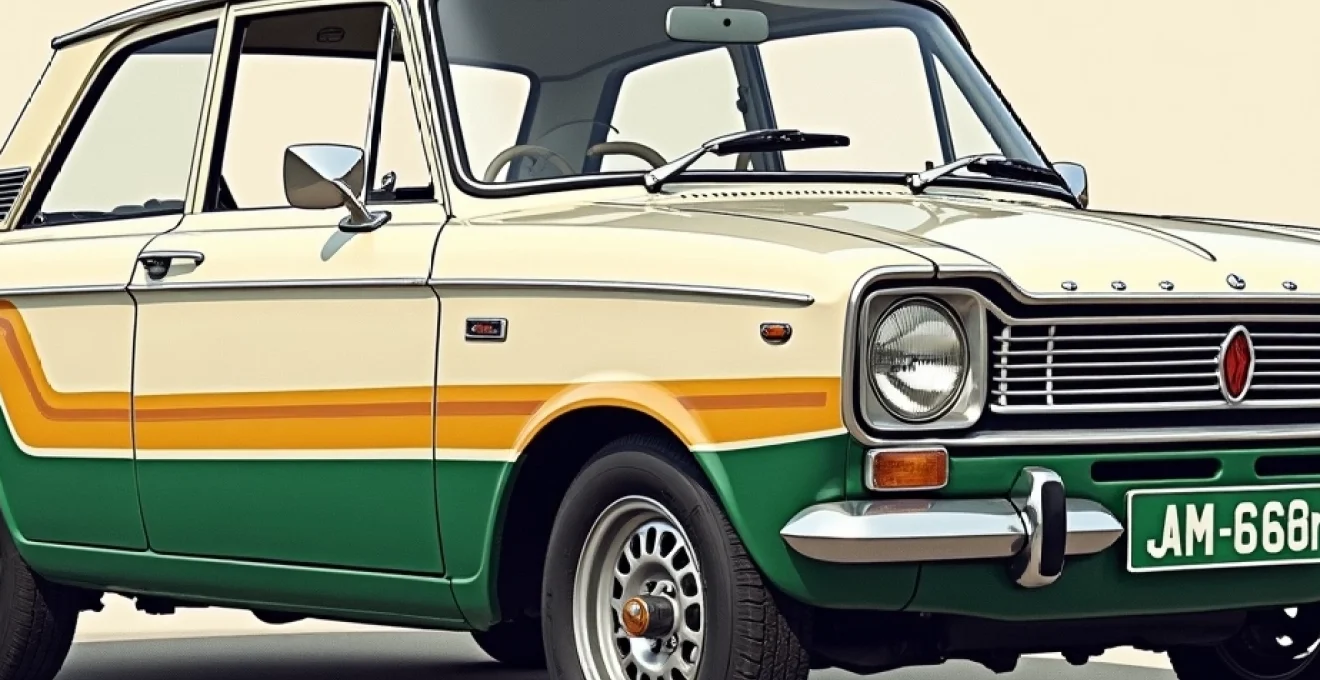
The Lotus Cortina Mk1 stands as one of Britain’s most celebrated sporting saloons, a product of the legendary collaboration between Ford and Lotus that transformed the humble Cortina into a motorsport icon. When Jim Clark dominated the British Saloon Car Championship in 1964, he cemented the Lotus Cortina’s reputation as a serious performance machine. Today, these cars command significant values in the classic car market, with prices ranging from £15,000 for project cars to over £77,000 for exceptional examples. However, the combination of high values and complex engineering means that purchasing a Mk1 Lotus Cortina requires careful inspection and thorough knowledge of what distinguishes an authentic car from the numerous replicas, re-shells, and questionable restorations that populate the market.
The scarcity of original, unrestored examples makes the buying process particularly challenging. Most surviving cars have undergone some form of restoration work, and many have been subjected to re-shelling or significant structural repairs. Understanding the difference between a genuine Lotus Cortina and a well-executed replica can mean the difference between acquiring a valuable classic and purchasing an expensive disappointment. The inspection process must be systematic and thorough, covering everything from chassis integrity to engine authenticity.
MK1 lotus cortina exterior inspection points
The exterior inspection of a Mk1 Lotus Cortina begins with understanding the fundamental differences between the Lotus variant and its standard Cortina siblings. The bodyshell itself was manufactured at Ford’s Dagenham facility using largely standard components, but with specific modifications that are crucial to identify. The inspection process requires careful attention to both structural integrity and authenticity markers that confirm the car’s genuine Lotus heritage.
Ford cortina shell rust assessment and sill integrity
Rust remains the greatest enemy of any Lotus Cortina, and the inspection must begin with a comprehensive assessment of structural corrosion. The most critical areas include the inner wings around the suspension strut tops, which are prone to failure and expensive to repair correctly. These areas carry the unique reinforcement plates that distinguish Lotus shells from standard Cortinas, making their condition doubly important for both structural integrity and authenticity verification.
The sill structures require particular scrutiny, as they form part of the car’s primary load path and are notoriously vulnerable to corrosion. Genuine repairs using proper bronze welding techniques can be distinguished from modern MIG welding, which was not available during the car’s production period. The jacking points, outriggers, and floor pan connections should be thoroughly examined, as failure in these areas can render the car structurally unsound regardless of cosmetic appearance.
Lotus Twin-Cam engine bay corrosion check
The engine bay presents unique challenges for inspection, as the twin-cam installation required specific modifications to accommodate the different engine architecture. The bulkhead area around the brake servo mounting requires careful examination, as corrosion here affects both structural integrity and the proper operation of the braking system. The scuttle panel and windscreen surround are particularly vulnerable areas that can be expensive to repair correctly.
Original engine bay layout provides important authenticity clues, including the routing of brake lines, electrical harnesses, and the mounting points for various components. Later modifications or incorrect installations can significantly impact both the car’s value and its historical authenticity. The condition of the inner wings must be assessed not just for rust, but for evidence of impact damage that might indicate accident history or structural compromise.
Original lotus white paint code verification
Authentic Lotus Cortinas left the factory in Ermine White, a specific Ford colour code that differs subtly from standard white finishes used on other models. The original paint specification used a particular formulation that aged in characteristic ways, and understanding these patterns helps distinguish original paint from later restorations. Areas protected from sunlight, such as door jambs and boot interiors, often retain traces of original paint that can be compared against the main body surfaces.
Paint thickness measurements using electronic gauges can reveal areas of bodywork repair or refinishing, though this technique requires experience to interpret correctly. Original paint will show consistent thickness measurements across panels, while repaired areas typically display varying readings. The presence of primer colours beneath the topcoat can also indicate the authenticity of the finish, as Ford used specific primer systems during the original production period.
Genuine lotus green stripe authenticity markers
The distinctive Sherwood Green stripe remains one of the most recognisable features of the Lotus Cortina, but its application and positioning provide important authenticity clues. The original stripe was applied using specific masking techniques that created characteristic edge profiles, and the paint formulation has aged in predictable ways over the decades. Modern reproductions often use different paint systems that can be distinguished through careful examination.
The stripe’s positioning relative to body features provides another verification method, as the original application followed precise dimensional requirements. Variations in stripe width, positioning, or edge quality can indicate either restoration work or potentially questionable authenticity. The stripe should align correctly with door handles, side trim, and other body features according to original factory specifications.
Webasto steel wheels and dunlop SP41 tyre condition
Original Lotus Cortinas were fitted with distinctive Webasto steel wheels, identifiable by their specific design and manufacturing details. These wheels featured particular offset specifications and mounting arrangements that differ from standard Cortina wheels. The condition of original wheels affects both the car’s authenticity and its market value, as genuine examples have become increasingly scarce and expensive to restore.
While few cars retain their original Dunlop SP41 tyres after six decades, the presence of period-correct tyre types and sizes provides important clues about the car’s maintenance history and authenticity. Modern replacements should ideally match the original 5.50-13 specifications, as the use of incorrect tyre sizes can affect the car’s handling characteristics and historical accuracy. The wheel mounting points and hub assemblies should be inspected for signs of damage or modification that might indicate accident history or inappropriate repairs.
Twin-cam engine and drivetrain evaluation
The Lotus twin-cam engine represents the heart of the Mk1 Lotus Cortina’s performance credentials, and its evaluation requires both mechanical knowledge and understanding of the engine’s unique characteristics. The 1558cc unit, developed through the collaboration between Lotus and Cosworth, delivered impressive performance for its era but also brought specific maintenance requirements and potential failure modes that modern buyers must understand.
Lotus Twin-Cam 1558cc engine compression testing
Compression testing provides the most reliable method for assessing the internal condition of the twin-cam engine without major disassembly. The engine should deliver consistent compression readings across all four cylinders, typically between 140-160 psi when in good condition. Variations of more than 10% between cylinders can indicate bore wear, valve problems, or head gasket issues that will require significant expenditure to address properly.
The distinctive sound characteristics of the twin-cam engine when running provide additional diagnostic information. A healthy engine should exhibit the characteristic metallic note associated with the gear-driven camshafts, while excessive rattling or irregular timing chain noise can indicate serious internal problems. Oil pressure readings should stabilise at appropriate levels when the engine reaches operating temperature, as low pressure often indicates bearing wear or oil pump problems.
Weber 40DCOE carburettor setup and synchronisation
The twin Weber 40DCOE carburettors fitted to Lotus Cortinas require specific expertise to maintain and tune correctly. During inspection, the carburettors should be examined for correct specification and proper synchronisation, as incorrectly configured units can mask underlying engine problems while creating poor driveability. The air filter arrangement and intake manifold should match original specifications, as modifications can affect both performance and authenticity.
Fuel system integrity becomes particularly important with these carburettors, as the mechanical fuel pump and associated plumbing must deliver adequate flow at the correct pressure. Evidence of fuel leakage, corroded fuel lines, or incorrect pump specifications can indicate both safety concerns and potential reliability issues. The throttle linkages and choke mechanisms should operate smoothly and return to correct positions when released.
ZF Four-Speed manual gearbox operation assessment
The ZF four-speed gearbox fitted to Lotus Cortinas differs significantly from standard Cortina transmissions in both construction and operation. During test driving, all gear selections should engage cleanly without grinding or excessive effort, while the gear lever should return to neutral positions correctly. Synchromesh operation on second and third gears provides particular insight into the transmission’s condition, as these components are expensive to replace and require specialist knowledge to service.
Oil leakage patterns around the gearbox casing can indicate seal failures or more serious internal problems. The distinctive whine associated with straight-cut first gear should be present but not excessive, while unusual noises during operation can suggest bearing wear or gear tooth damage. The clutch operation should be assessed during the test drive, with particular attention to the engagement point and pedal feel, as clutch replacement requires transmission removal and specialist knowledge.
Limited-slip differential functionality check
The limited-slip differential fitted to many Lotus Cortinas requires specific testing procedures to verify correct operation. During test driving on appropriate surfaces, the differential should provide noticeable traction benefits when cornering or accelerating from rest, while maintaining reasonable straight-line stability. Excessive locking can indicate worn or damaged differential components, while complete absence of limited-slip action suggests internal failure or incorrect assembly.
The rear axle assembly should be inspected for oil leakage, particularly around the pinion seal and differential cover areas. Unusual noises during operation, particularly under load or when cornering, can indicate bearing problems or gear damage that will require specialist attention to rectify. The half-shaft arrangements and their associated universal joints should operate smoothly without binding or excessive play.
Suspension and chassis technical inspection
The suspension system of the Mk1 Lotus Cortina incorporates several unique components and modifications that distinguish it from standard Cortina models. The inspection process must verify both the correct specification of these components and their current condition, as incorrect or worn suspension parts significantly affect both the car’s handling characteristics and its authenticity credentials.
A-frame front suspension component analysis
The A-frame front suspension configuration used on Lotus Cortinas requires careful inspection of the wishbone assemblies, bushings, and associated mounting points. The original A-frame components were manufactured to specific tolerances and featured unique bushing arrangements that differ from standard Cortina parts. Worn bushings create handling problems and can allow suspension components to contact the bodyshell, potentially causing expensive damage.
The front suspension mounting points in the engine bay require thorough examination for signs of stress cracking or distortion, as these areas carry significant loads during enthusiastic driving. The coil spring arrangements should match original specifications, with correct spring rates and dimensions. Aftermarket modifications, while potentially offering improved performance, can affect the car’s originality and may indicate previous accident damage or inappropriate repairs.
Leaf spring rear axle setup examination
The rear leaf spring arrangement on Mk1 Lotus Cortinas featured specific modifications to accommodate the performance requirements of the chassis. The leaf springs should be inspected for correct specification, as standard Cortina springs will not provide appropriate handling characteristics or load capacity. Sagging or broken leaves create handling problems and can indicate deferred maintenance or hard usage history.
The rear axle mounting arrangements include unique brackets and reinforcement plates that must be present for authentic specification. The condition of these mounting points affects both structural integrity and handling characteristics, while their absence or modification can indicate previous accident damage or inappropriate repairs. The rear damper mounting points should be examined for distortion or cracking, as these areas experience significant stresses during spirited driving.
Koni shock absorber condition assessment
Many Lotus Cortinas were fitted with Koni shock absorbers as either original equipment or popular upgrades, and these units require specific inspection techniques to assess their condition. The dampers should operate smoothly through their full travel range without binding or excessive friction, while maintaining appropriate damping characteristics in both compression and rebound phases. Fluid leakage indicates seal failure and reduces damping effectiveness.
The mounting arrangements for the shock absorbers should be examined for correct specification and secure attachment, as loose or damaged mountings create handling problems and can cause expensive damage to surrounding structures. The adjustment mechanisms on Koni dampers should operate correctly and hold their settings, though many units may require servicing or rebuild after decades of use.
Anti-roll bar and mounting point integrity
The anti-roll bar arrangements on Lotus Cortinas differ from standard Cortina specifications in both diameter and mounting details. The front anti-roll bar should be present and correctly mounted, with appropriate bushings and link arrangements that allow proper operation without binding or excessive play. Missing or incorrectly specified anti-roll bars significantly affect the car’s handling balance and may indicate incomplete restoration or inappropriate modifications.
The mounting points for anti-roll bars require careful inspection, as these areas experience significant loads and can develop stress cracks or mounting bolt failure over time. The condition of the rubber bushings affects both handling precision and noise levels, while worn or missing bushings create clonking noises and imprecise handling responses. Aftermarket upgrades may offer improved performance but can affect originality credentials depending on the buyer’s priorities.
Interior and electrical system verification
The interior specification of the Mk1 Lotus Cortina included several unique features that distinguish it from standard models, while the electrical system incorporated modifications necessary to support the performance-oriented drivetrain. Both areas provide important authenticity verification opportunities while presenting specific challenges for restoration and maintenance.
The dashboard arrangement should feature the correct instrumentation layout, including the distinctive rev counter and speedometer specifications used on Lotus models. The seats should display the appropriate trim patterns and construction details, though many cars have received replacement upholstery over the decades. Original interior components have become increasingly scarce and expensive, making their presence a significant value factor. The electrical system requires particular attention, as the Lucas components used during the production period are notorious for reliability problems and may have been modified or replaced with modern alternatives.
Wiring harness condition affects both reliability and authenticity, with original cloth-wrapped looms providing period correctness but potentially compromised reliability after six decades of service. The electrical earthing arrangements require careful inspection, as poor earthing creates numerous operational problems with Lucas electrical systems. Modern electronic ignition systems may improve reliability but compromise originality, requiring potential buyers to balance practical considerations against authenticity requirements.
Documentation and provenance authentication
The documentation accompanying a Lotus Cortina can be as important as the physical condition of the car itself, particularly given the prevalence of re-shelled, replicated, and modified examples in the marketplace. Comprehensive provenance verification requires examination of multiple documentation types and cross-referencing with known records and registers maintained by specialist organisations.
Original registration documents, previous MOT certificates, and maintenance records provide crucial evidence of the car’s history and authenticity. Restoration photographs and invoices help verify the quality and extent of work performed, while also confirming that appropriate methods and materials were used. Insurance valuations and previous sale documentation can reveal important details about the car’s condition and any modifications or repairs undertaken over the years.
Chassis number verification requires comparison with official registers maintained by organisations such as the Lotus Cortina Register, which maintains comprehensive records of known cars and their histories. Matching numbers between the chassis plate and stamped locations becomes particularly important given the number of re-shelled cars in circulation. Expert authentication may be necessary for high-value examples, particularly if the documentation raises questions about the car’s history or authenticity.
The reality is, it all matters, at least in terms of perceived value of the car. An original one owner car that has never been welded, still has its original paint and all non-consumable components are original to the car is always going to be top of the pile when it comes to value.
The distinction between original specification and original components becomes crucial when evaluating documentation claims. Many sellers describe their cars as “original” when they mean restored to original specification using reproduction parts, which represents a significantly different proposition from a car retaining its actual factory-fitted components. Understanding these distinctions helps avoid disappointment and ensures appropriate valuation of any potential purchase.
Market value assessment and purchase negotiation strategy
Current market conditions for Mk1 Lotus Cortinas reflect the complex interplay between rarity, authenticity, condition, and documentation quality. Recent auction results show a median price of £32,708, but this figure encompasses a wide range of cars from basket cases to concours-quality restorations. The selling success rate of 57% indicates a selective market where condition and provenance significantly influence buyer interest and final values.
Professional restoration costs can easily exceed £50,000 for comprehensive work, making the purchase price only part of the total investment equation. Cars requiring extensive restoration work may appear attractively priced initially, but the final cost including restoration often exceeds the
purchase price of a well-sorted example. Understanding the true cost of ownership helps establish realistic negotiation positions and prevents costly surprises during the restoration process.
The authentication process becomes increasingly important as values rise, with potential buyers facing significant risks from replicas, re-shells, and misrepresented cars. Professional inspection services specialising in Lotus Cortinas can provide valuable verification, though their costs must be weighed against the potential purchase price and associated risks. The complexity of distinguishing authentic cars from sophisticated replicas makes expert knowledge essential for significant purchases.
Negotiation strategies should account for the specific condition issues identified during inspection, with particular emphasis on structural integrity, engine condition, and documentation quality. Matching numbers cars command premium prices, while re-shelled examples trade at significant discounts despite potentially superior condition. The presence of original components, comprehensive documentation, and verifiable provenance can justify higher purchase prices and provide better long-term value retention.
Market timing considerations include the seasonal nature of classic car sales, with spring and summer typically showing stronger demand and higher prices. Economic conditions affect the luxury classic car market more significantly than everyday vehicles, creating opportunities for well-prepared buyers during market downturns. The limited supply of authentic examples continues to support values, though the complexity of verification processes may deter some potential buyers and create opportunities for knowledgeable enthusiasts.
Making a mistake could cost you many tens of thousands of pounds, and you could even lose the car you’ve just bought altogether. This site contains most of the information you need to determine if the car you’re looking at is at least built to original specification.
Insurance considerations play an important role in the total cost equation, with agreed value policies typically required for cars of this calibre. Storage requirements, maintenance costs, and the availability of specialist services all contribute to the ongoing ownership experience and should be factored into purchase decisions. The investment potential of authentic Lotus Cortinas remains strong, though buyers should prioritise personal enjoyment over pure financial returns when making purchase decisions.
Professional storage and transportation arrangements may be necessary for high-value examples, adding to the total cost of ownership while protecting the investment. The classic car market’s increasing sophistication demands corresponding knowledge and preparation from buyers, with successful purchases typically resulting from thorough research, professional assistance, and realistic expectations about both costs and rewards.