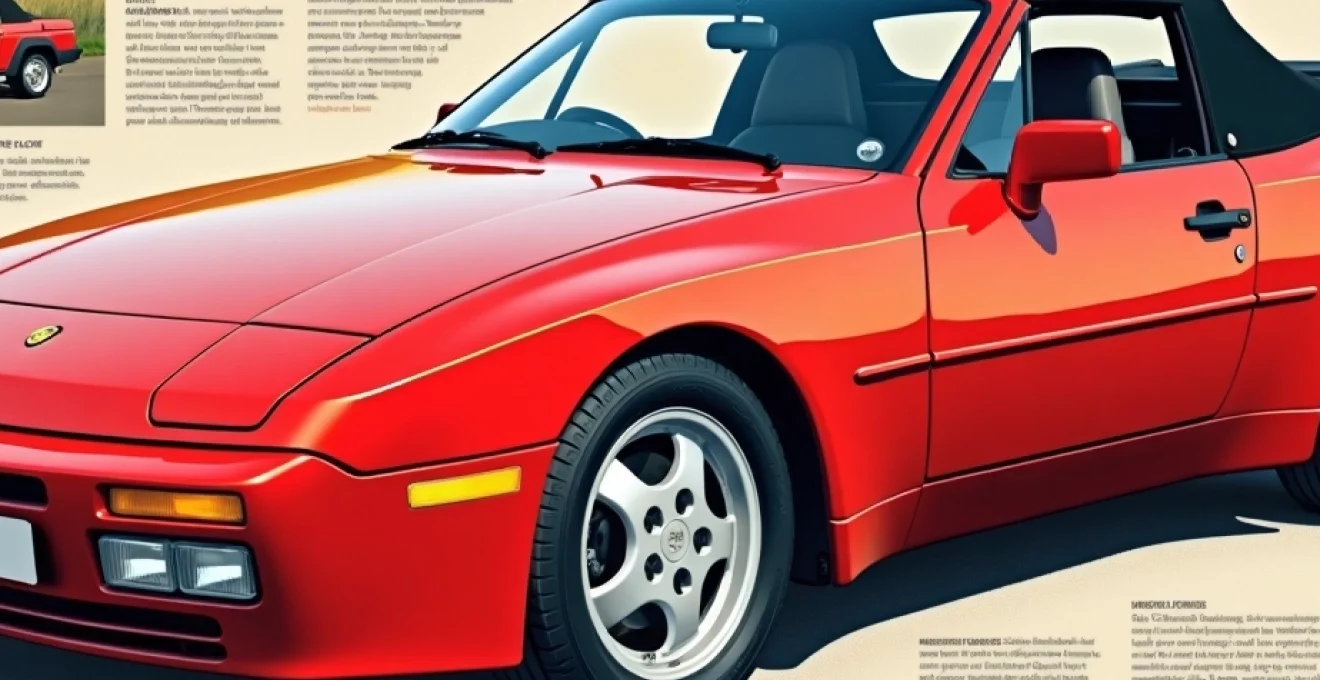
The Porsche 944 S2 Cabriolet represents the pinnacle of transaxle Porsche engineering, combining the largest production four-cylinder engine of its era with the sophisticated open-top experience that defined late-1980s European motoring. Introduced in 1989 as the convertible variant of the acclaimed S2 coupé, this model delivered 208 bhp from its naturally aspirated 3.0-litre powerplant whilst maintaining the near-perfect weight distribution that made the 944 series renowned amongst driving enthusiasts.
Today, the 944 S2 Cabriolet occupies a unique position in the classic Porsche marketplace. With production limited to just three model years and total numbers significantly lower than its coupé sibling, finding an exceptional example requires patience and expertise. The combination of sophisticated engineering, timeless styling, and genuine rarity has transformed these cars from affordable alternatives into serious collectibles commanding substantial premiums over their hardtop counterparts.
Porsche 944 S2 cabriolet production history and model specifications
1989-1991 manufacturing timeline and factory designations
Porsche launched the 944 S2 Cabriolet in spring 1989, manufactured exclusively at the Zuffenhausen facility alongside the coupé variant. Production commenced with the 1989 model year designation, continuing through 1990 and concluding in summer 1991 as Porsche transitioned to the 968 series. Each car received the internal designation M44/52, distinguishing it from the earlier naturally aspirated models and the turbocharged 951 series.
The factory designation system reveals crucial information about each vehicle’s authenticity and specification level. Cars produced during the initial 1989 run often featured unique option combinations and colour schemes that weren’t repeated in subsequent years. Understanding these designations becomes essential when evaluating potential purchases, as certain factory configurations command significant premiums amongst collectors today.
3.0-litre naturally aspirated engine configuration
The heart of every 944 S2 Cabriolet lies in Porsche’s remarkable M44/41 engine, a 2,990cc naturally aspirated four-cylinder unit that represented the zenith of large-displacement, naturally aspirated four-cylinder development. This powerplant featured dual overhead camshafts, four valves per cylinder, and sophisticated Bosch Motronic engine management, delivering 208 bhp at 6,200 rpm and 207 lb-ft of torque at 4,100 rpm.
The engineering significance of this engine cannot be overstated. At nearly three litres, it remained the largest production four-cylinder engine in automotive history until recent developments in turbocharged downsizing. The unit featured Nikasil cylinder linings, forged connecting rods, and a sophisticated balance shaft system that eliminated the vibrations typically associated with large-displacement four-cylinder configurations.
Performance figures remain impressive by contemporary standards , with acceleration from standstill to 60 mph achieved in 6.5 seconds and a maximum velocity of 155 mph. More importantly for daily usability, the engine’s substantial torque output provided effortless overtaking capability and relaxed cruising characteristics that made the S2 Cabriolet equally suitable for transcontinental touring or enthusiastic back-road exploration.
Cabriolet-specific chassis reinforcement and weight distribution
Converting the 944 S2 from coupé to cabriolet configuration required extensive structural modifications to compensate for the loss of roof rigidity. Porsche engineers added substantial reinforcement to the door frames, A-pillars, and floor pan, whilst incorporating additional bracing beneath the dashboard and around the rear bulkhead areas.
Despite these reinforcements adding approximately 150kg to the overall weight, the 944 S2 Cabriolet maintained the series’ renowned 50:50 weight distribution through careful mass allocation. The rear-mounted transaxle configuration proved particularly beneficial in this application, as the additional structural weight concentrated around the passenger compartment didn’t significantly alter the fundamental balance characteristics that defined the 944 driving experience.
Suspension specifications remained largely identical to the coupé variant, featuring MacPherson struts at the front with anti-roll bar, and the sophisticated semi-trailing arm arrangement at the rear. However, spring rates received minor adjustments to accommodate the increased weight whilst maintaining the progressive handling characteristics that made the 944 series so rewarding to drive enthusiastically.
Limited production numbers and market availability
Precise production figures for the 944 S2 Cabriolet remain subject to interpretation due to varying factory records and regional market allocations. Conservative estimates suggest approximately 8,500 examples were manufactured globally across the three-year production run, with roughly 3,000 examples destined for the North American market and the remainder distributed across European and other international markets.
The 944 S2 Cabriolet represented less than 15% of total S2 production, making it significantly rarer than its coupé sibling and contributing to its current collectible status.
UK market allocation proved particularly limited, with fewer than 400 right-hand drive examples officially imported during the production period. This scarcity becomes increasingly apparent in today’s marketplace, where finding a well-maintained example often requires extended searching and willingness to consider European-specification left-hand drive alternatives.
Mechanical assessment and known problem areas
Timing belt and balance shaft belt service history
The 944 S2’s sophisticated engine architecture demands meticulous attention to timing belt maintenance, as interference engine design means potential valve damage should belt failure occur. Factory service intervals specify replacement every 45,000 miles or four years, whichever occurs first, though experienced specialists often recommend more frequent changes given the age of these vehicles and potential consequences of failure.
Comprehensive belt service involves simultaneous replacement of the main timing belt, balance shaft belt, water pump, tensioner pulleys, and associated hardware. Quality replacement components from suppliers such as Gates or Continental cost approximately £300-400, whilst specialist labour charges range from £800-1,200 depending on geographic location and workshop reputation.
Documentation proving recent belt service represents one of the most valuable aspects of any 944 S2 purchase consideration . Cars lacking verifiable service history within the past four years should be presumed to require immediate attention, potentially adding £1,500-2,000 to acquisition costs when undertaken by qualified specialists.
Clutch hydraulics and DME engine management systems
The 944 S2’s clutch system utilises hydraulic operation controlled by a master cylinder located within the engine compartment and a slave cylinder positioned adjacent to the transaxle bell housing. Component lifespan typically ranges from 60,000-80,000 miles under normal operating conditions, though aggressive driving styles or improper bleeding procedures can significantly reduce service intervals.
Clutch replacement requires removal of the rear axle assembly and transaxle unit, making labour costs substantial even when undertaken by experienced specialists. Total replacement costs including parts and labour typically range from £2,000-3,000, making clutch condition assessment crucial during pre-purchase evaluation. Symptoms of impending failure include increased pedal travel, difficult gear selection, and slipping under acceleration.
The sophisticated Bosch Motronic engine management system generally proves reliable when properly maintained, though certain components show predictable failure patterns. Oxygen sensors typically require replacement every 60,000-80,000 miles, whilst the airflow meter assembly can develop intermittent faults that cause erratic idle quality and throttle response. Diagnostic equipment specifically designed for 1980s Bosch systems becomes essential for accurate fault identification.
Convertible top mechanism and hydraulic components
The 944 S2 Cabriolet’s sophisticated soft top mechanism relies on hydraulic operation controlled by an electric pump and distribution system. The multi-layer mohair soft top requires approximately 20 seconds for complete operation when functioning properly, though degraded hydraulic fluid or worn seals can significantly extend operating times or prevent complete operation.
Common failure points include the main hydraulic pump, pressure accumulator, and various seals throughout the distribution system. Replacement pumps cost £800-1,200, whilst complete system refurbishment can exceed £2,500 when undertaken comprehensively. Many specialists recommend replacing the entire hydraulic fluid supply during major service intervals to prevent premature component wear.
The soft top fabric itself represents another significant maintenance consideration. Original mohair tops typically last 15-20 years under normal conditions, though exposure to extreme weather or inadequate storage can reduce lifespan substantially. Replacement costs range from £1,500-2,500 depending on fabric quality and installation complexity, making top condition assessment crucial during purchase evaluation.
Torque tube and transaxle configuration inspection
The 944’s unique transaxle configuration utilises a torque tube connecting the engine to the rear-mounted gearbox, creating the near-perfect weight distribution that defines the driving experience. This system requires specific attention to torque tube bearings, universal joints, and the various mounting points that secure the assembly to the chassis.
Worn torque tube bearings typically announce themselves through vibration felt throughout the drivetrain, particularly noticeable during acceleration or deceleration phases. Replacement requires specialised knowledge and equipment, with total costs often exceeding £1,500 when undertaken properly. Many specialists recommend simultaneous replacement of all torque tube components when addressing bearing wear.
The transaxle itself generally proves reliable when proper lubrication schedules are maintained, though synchromesh wear can affect gear selection quality over time. Second gear represents the most vulnerable component , often displaying reluctance to engage cleanly when internal wear progresses. Complete transaxle rebuild costs typically range from £3,000-5,000, making gearbox condition assessment absolutely critical during pre-purchase evaluation.
Exterior and interior condition evaluation
Factory paint codes and Colour-Matched panel assessment
Porsche offered the 944 S2 Cabriolet in an extensive palette of colours, ranging from conservative choices such as Guards Red and Alpine White to more exotic options including Cassis Red Metallic and Olive Green Metallic. Factory paint codes located on the identification plate within the rear compartment provide definitive colour verification, essential for authenticity assessment and insurance valuation purposes.
Original paint condition varies dramatically amongst surviving examples, with many cars showing evidence of localised refinishing work or complete resprays. Professional paint depth measurement using electronic gauges reveals bodywork history more accurately than visual inspection alone, particularly important given that extensive filler work or accident damage can remain hidden beneath apparently pristine surface finishes.
Panel alignment represents another crucial assessment area, as convertible body structures can develop subtle distortions over time that affect door fit and weather sealing effectiveness. Pay particular attention to gaps around the door frames, boot lid, and bonnet, as excessive variation often indicates either accident damage or structural fatigue requiring expensive rectification work.
Original equipment fuchs alloy wheels and tyre specifications
The majority of 944 S2 Cabriolets left the factory equipped with distinctive five-spoke Fuchs alloy wheels measuring 7J x 16″ at the front and 8J x 16″ at the rear. These forged aluminium wheels represent significant value in today’s marketplace, with pristine sets commanding £2,000-3,000 depending on condition and completeness.
Original tyre specifications called for 205/55 ZR16 front and 225/50 ZR16 rear fitments, typically supplied with Pirelli P Zero or Continental premium compounds. Modern replacement options include Michelin Pilot Sport series, Bridgestone Potenza configurations, and various other performance-oriented compounds that maintain period-appropriate aesthetics whilst providing contemporary grip levels and longevity.
Wheel condition assessment should include thorough inspection for kerbing damage, corrosion, and structural integrity . Fuchs wheels prove susceptible to corrosion around the spoke-to-rim junction areas, whilst impact damage can create hairline cracks that compromise safety. Professional wheel refurbishment typically costs £150-250 per wheel, making original condition examples particularly desirable.
Mohair soft top and weather sealing integrity
The 944 S2 Cabriolet’s multi-layer mohair soft top represents one of the most significant condition assessment challenges, as replacement costs can easily exceed £2,000 when undertaken properly. Original tops featured sophisticated tensioning systems and integrated heating elements designed to prevent ice formation during winter storage periods.
Common deterioration patterns include fabric thinning around fold lines, stitching separation along seam areas, and rear window delamination or cracking. The rear window itself utilises either glass or plastic construction depending on production period, with glass variants proving more durable but significantly more expensive to replace when damaged.
Weather sealing effectiveness requires comprehensive assessment using water testing or detailed visual inspection of all sealing surfaces. Door seals, quarter light seals, and the various drainage channels throughout the body structure all contribute to interior weather protection. Inadequate sealing can result in expensive interior damage or electrical system corrosion that far exceeds the cost of preventive seal replacement.
Partial leather interior and electric seat functionality
Most 944 S2 Cabriolets featured partial leather interiors combining leather seating surfaces with cloth or leatherette door panels and dashboard coverings. Leather quality varied significantly depending on option specifications, with full leather packages commanding substantial premiums when ordered new and representing significantly higher values in today’s marketplace.
Electric seat mechanisms prove particularly troublesome in aging examples, with motor failures, switch degradation, and wiring harness corrosion creating various operational issues. Complete seat refurbishment including motor replacement and wiring restoration can exceed £1,500 per seat, making functional electric seats highly desirable features during purchase consideration.
Dashboard condition often reflects overall vehicle care standards, as the upper dash pad proves susceptible to cracking from ultraviolet exposure and temperature cycling.
Replacement dashboard assemblies cost £800-1,200 depending on specification level, whilst professional refinishing services offer more economical solutions for minor damage. Air conditioning systems also require specific attention, as refrigerant system components often require updating to modern R134a specifications for continued functionality.
Market valuation and investment potential
The 944 S2 Cabriolet marketplace has experienced significant evolution over the past decade, transforming from an affordable alternative to contemporary sports cars into a recognised collectible commanding substantial premiums. Current market values reflect this transition, with exceptional examples approaching £40,000 whilst project cars requiring extensive restoration work still occasionally appear below £15,000.
Condition represents the primary value determinant, with the difference between a well-maintained example and a car requiring comprehensive restoration often exceeding £20,000. Documentation proving proper maintenance, original specification retention, and low mileage examples command the highest premiums, particularly when accompanied by comprehensive service histories from recognised Porsche specialists.
Colour rarity significantly influences market values, with unusual factory colours such as Cassis Red Metallic, Polar Silver Metallic, or Sage Green Metallic commanding substantial premiums over more common choices. Similarly, cars retaining original factory options such as limited-slip differentials, sports suspension packages, or premium audio systems demonstrate enhanced desirability amongst knowledgeable collectors.
Investment potential remains strong for exceptional examples , particularly given the limited production numbers and increasing recognition of the 944 series’ engineering significance. However, mechanical complexity and restoration costs mean that only the finest examples are likely to provide meaningful financial returns, whilst neglected cars often prove economically unviable for complete restoration.
Market trends suggest continued appreciation for well-maintained examples, particularly as the supply of original-condition cars continues declining through age-related deterioration and accident damage. The combination of increasing collector recognition and diminishing supply creates favourable conditions for value preservation amongst properly maintained examples.
Pre-purchase inspection checklist and documentation requirements
Professional pre-purchase inspection represents essential due diligence when considering any 944 S2 Cabriolet acquisition, given the mechanical complexity and potential restoration costs associated with neglected examples. Qualified inspection should encompass comprehensive assessment of all major systems including engine management, transmission operation, convertible top functionality, and structural integrity.
Documentation requirements extend beyond basic ownership papers to include comprehensive service records, particularly evidence of timing belt replacement, clutch service, and convertible top maintenance. Original handbooks, service booklets, and any factory literature enhance authenticity verification and provide valuable reference information for ongoing maintenance requirements.
- Complete timing belt service history within the past four years or 45,000 miles
- Clutch
Factory build documentation becomes particularly valuable for authentication purposes, as numerous replica conversions and modified examples circulate within the marketplace. Original factory option stickers, typically located within the rear compartment or service booklet, provide definitive specification verification that significantly influences market valuation. Cars lacking this documentation face challenges during insurance appraisal and resale negotiations.
Professional inspection costs typically range from £300-500 but represent minimal expense compared to potential discovery of major mechanical issues. Specialists familiar with transaxle Porsche configurations provide the most valuable assessment, as their expertise identifies model-specific problems that general classic car inspectors might overlook. This investment often proves invaluable during purchase negotiations or future maintenance planning.
Ownership costs and specialist maintenance networks
Realistic ownership cost assessment requires understanding both routine maintenance expenses and potential major component replacement scenarios. Annual running costs for properly maintained examples typically range from £2,000-4,000, excluding insurance and storage considerations. This figure encompasses routine servicing, preventive maintenance, and the inevitable component replacements that accompany ownership of sophisticated 1980s automotive technology.
Routine service intervals follow Porsche’s established schedule, with minor services every 10,000 miles costing approximately £400-600 at qualified specialists. Major services incorporating timing belt replacement, comprehensive fluid changes, and detailed system inspection typically cost £1,500-2,500 depending on additional work requirements. These expenses reflect the complexity of the S2’s engine management systems and the precision required for proper maintenance execution.
Insurance costs prove surprisingly reasonable for most owners, with agreed value policies through specialist insurers typically costing £400-800 annually for limited mileage usage patterns.
Component replacement costs require careful consideration when evaluating ownership feasibility. Major items such as clutch replacement (£2,000-3,000), convertible top renewal (£1,500-2,500), or transaxle rebuild (£3,000-5,000) can significantly impact annual ownership budgets. However, proper preventive maintenance and careful driving techniques can extend component lifespans well beyond average expectations, making maintenance history assessment crucial during purchase consideration.
Specialist maintenance networks have evolved significantly as 944 values have appreciated, with numerous independent workshops developing expertise specifically focused on transaxle Porsche models. These specialists often provide more competitive pricing than main dealers whilst maintaining the technical knowledge required for complex diagnostic procedures and component replacement. Establishing relationships with qualified specialists proves invaluable for ongoing ownership success and can significantly influence long-term maintenance costs.
Parts availability remains generally excellent through Porsche Classic’s heritage programme, though certain items such as convertible top mechanisms or dashboard components command premium pricing due to limited production quantities. Aftermarket suppliers provide alternatives for many consumable items, often offering improved specifications compared to original equipment whilst maintaining compatibility with existing systems. Understanding parts sourcing strategies becomes essential for cost-effective long-term ownership.
Storage considerations significantly impact ownership costs, particularly for cars used seasonally or maintained as weekend recreation vehicles. Professional storage facilities specialising in classic cars typically charge £100-200 monthly, though this investment provides climate control and security benefits that preserve vehicle condition and protect long-term values. Home storage requires careful attention to ventilation, moisture control, and security arrangements that can require substantial initial investment.
The 944 S2 Cabriolet represents a unique opportunity to experience one of Porsche’s most sophisticated naturally aspirated engines within an increasingly rare convertible configuration. While ownership demands realistic appreciation of maintenance requirements and potential component replacement costs, the driving experience and collectible potential justify these expenses for enthusiasts seeking authentic 1980s Porsche engineering excellence. Careful selection focusing on condition, documentation, and maintenance history provides the foundation for rewarding ownership that combines driving pleasure with long-term value preservation.