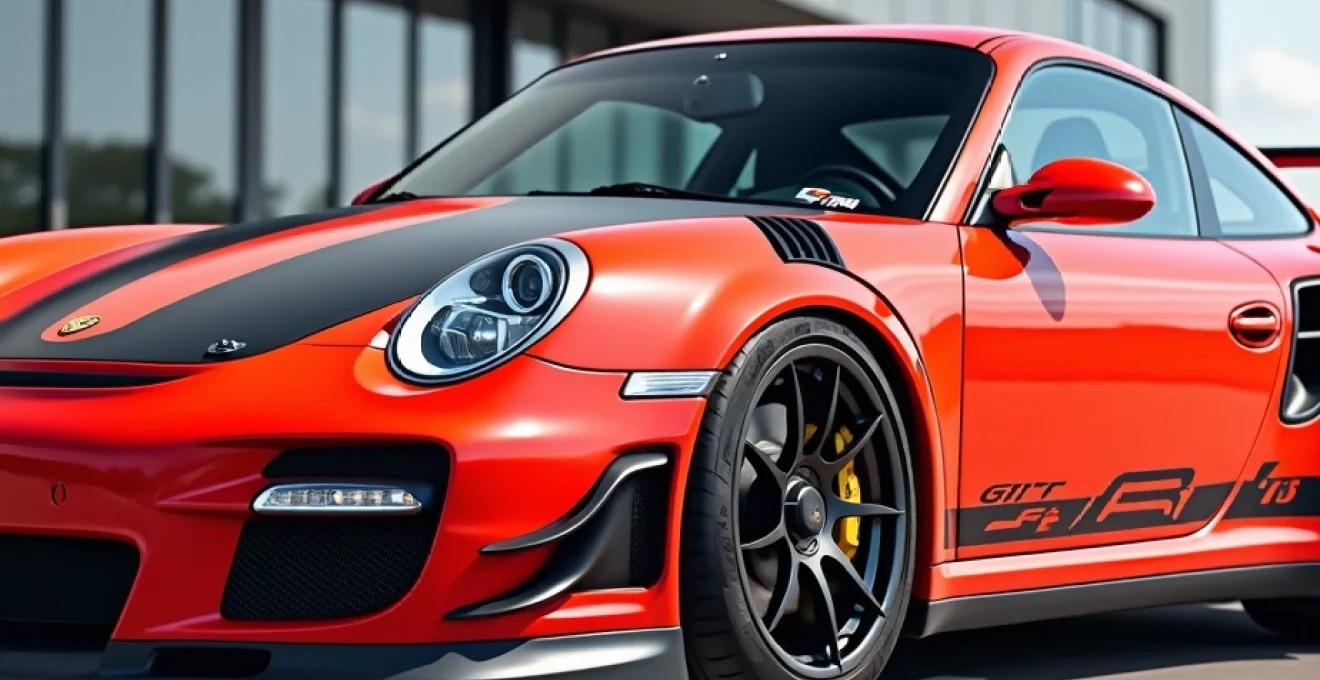
The Porsche 997 GT2 RS stands as the ultimate expression of Stuttgart’s engineering prowess during the late 2000s, representing the apex of naturally aspirated flat-six performance married to twin-turbocharged brutality. This limited-production masterpiece emerged in 2010 as the swan song of the 997 generation, delivering an unprecedented 620 horsepower through a meticulously refined package that would forever change the landscape of track-focused supercars. With only 500 units produced globally, the GT2 RS has transcended its original role as a high-performance sports car to become one of the most coveted collector vehicles of the modern era.
The significance of this model extends far beyond its impressive performance figures. It represents the final iteration of the legendary Mezger engine in its most potent form, marking the end of an era that began with the original 911 Turbo in 1975. Today’s collectors recognise the GT2 RS not merely as a fast car, but as a pivotal moment in automotive history where traditional engineering excellence met cutting-edge technology.
Porsche 997 GT2 RS technical specifications and performance metrics
The foundation of the GT2 RS’s legendary status lies in its extraordinary technical specifications, which pushed the boundaries of what was considered possible for a road-legal sports car in 2010. Every component was carefully engineered to extract maximum performance whilst maintaining the reliability standards expected from Porsche’s motorsport division.
Metzger 3.6-litre Twin-Turbocharged Flat-Six engine analysis
At the heart of the GT2 RS beats the ultimate evolution of the Mezger engine, a powerplant that traces its lineage back to the air-cooled racing engines of the 1970s. This water-cooled flat-six configuration produces a staggering 620 horsepower at 6,500 rpm and 516 lb-ft of torque at 2,250 rpm, figures that were virtually unheard of for a naturally aspirated-based platform enhanced with forced induction.
The engine’s construction utilises a dry-sump lubrication system, ensuring consistent oil supply during high-G cornering forces. The forged aluminium pistons and connecting rods provide the strength necessary to withstand the extreme pressures generated by the twin-turbocharged system. Titanium inlet valves reduce reciprocating mass, allowing the engine to rev more freely whilst maintaining durability under track conditions.
The Mezger engine in GT2 RS specification represents the pinnacle of flat-six development, combining decades of racing experience with cutting-edge materials technology to create an engine that delivers both explosive performance and remarkable longevity.
Variable turbine geometry turbocharger configuration
The GT2 RS employs sophisticated Variable Turbine Geometry (VTG) turbochargers, a technology adapted from Porsche’s successful diesel engine programme. These VTG turbochargers eliminate traditional turbo lag by continuously adjusting the turbine blade angle to optimise exhaust gas flow across the entire rev range.
This system delivers impressive torque delivery characteristics, with maximum torque available from just 2,250 rpm and sustained through to 4,750 rpm. The result is a power delivery curve that feels almost naturally aspirated in its linearity, yet provides the explosive acceleration associated with forced induction. Peak power arrives at 6,500 rpm, demonstrating the engine’s ability to breathe effectively at high rotational speeds.
PCCB ceramic composite brake system performance
Standard equipment on the GT2 RS includes Porsche’s advanced Ceramic Composite Brake (PCCB) system, featuring massive 380mm front discs and 350mm rear discs. These carbon-ceramic rotors provide exceptional fade resistance during extended track sessions whilst reducing unsprung weight by approximately 17 kilograms compared to conventional iron discs.
The six-piston front callipers and four-piston rear callipers are finished in distinctive yellow paintwork, providing both aesthetic appeal and functional superiority. This braking system enables the GT2 RS to decelerate from 100 km/h to standstill in just 32.5 metres, whilst maintaining consistent pedal feel even under the most demanding conditions.
PSM sport mode and PASM suspension dynamics
The Porsche Stability Management (PSM) system on the GT2 RS features a dedicated Sport mode that allows experienced drivers to explore the vehicle’s limits whilst maintaining a safety net for unexpected situations. This system works in conjunction with the Porsche Active Suspension Management (PASM) to deliver unprecedented dynamic capability.
PASM continuously adjusts damper firmness based on road conditions and driving style, providing optimal wheel control without compromising ride quality during normal driving conditions. The system features specific calibrations for the GT2 RS’s unique weight distribution and aerodynamic characteristics, ensuring maximum performance potential is realised.
Production numbers and market rarity assessment
Understanding the production statistics of the 997 GT2 RS is crucial for collectors seeking to appreciate its investment potential and market positioning. The deliberately limited production run was designed to maintain exclusivity whilst satisfying global demand from Porsche’s most dedicated enthusiasts.
Global production allocation by market region
Porsche manufactured exactly 500 units of the 997 GT2 RS worldwide, with production spanning from September 2010 through March 2012. The United States received the largest allocation with approximately 185 units, reflecting the strong American appetite for high-performance Porsches. European markets collectively received around 200 units, with Germany retaining the largest European allocation of 65 vehicles.
Asian markets, including Japan and Hong Kong, received approximately 45 units combined, whilst other global markets shared the remaining allocation. This distribution strategy ensured global availability whilst maintaining the exclusivity that drives collector interest. Market-specific regulations required minor variations in equipment and specifications, making certain regional variants particularly sought after today.
Weissach package distribution and specifications
The optional Weissach Package represented the ultimate expression of the GT2 RS concept, reducing weight through the elimination of air conditioning, radio system, and sound deadening materials. This package also included lightweight carbon fibre bucket seats and a roll cage, creating a more track-focused configuration.
Approximately 35% of GT2 RS production included the Weissach Package, making these variants significantly rarer than standard specifications. The weight reduction achieved through this package totalled 23 kilograms, bringing the overall vehicle weight down to 1,370 kilograms and improving the power-to-weight ratio to 452 horsepower per tonne.
Paint-to-sample and special edition variants
Porsche offered an extensive range of customisation options through its Paint-to-Sample programme, allowing customers to specify virtually any colour from the company’s extensive palette. Popular choices included classic racing colours such as Signal Orange , Guards Red, and various shades of metallic silver and grey.
Approximately 15% of GT2 RS production featured Paint-to-Sample colours, with some of the most distinctive examples commanding significant premiums in today’s market. Special interior treatments, including custom leather colours and carbon fibre trim options, further enhanced the exclusivity of individual vehicles.
VIN decoding and authenticity verification methods
Authentic GT2 RS vehicles can be identified through their Vehicle Identification Numbers (VIN), which follow Porsche’s standardised coding system. The WP0AB2A99AS prefix identifies 997 GT2 RS models, with subsequent digits indicating production sequence and options.
Verification of authenticity requires examination of the Porsche Certificate of Authenticity, which details original specification, delivery date, and initial market destination. Cross-referencing these documents with the vehicle’s physical characteristics and build quality provides confidence in authenticity assessment.
Investment valuation and market performance analysis
The investment performance of the 997 GT2 RS has been nothing short of remarkable, with values appreciating consistently since production ended in 2012. Current market data indicates that pristine examples have more than doubled in value, with the lowest recorded sale price since 2020 being £91,968 and the highest reaching £372,855. This represents a median price of £170,501, demonstrating the strong collector interest in this model.
Market analysis reveals several factors driving this appreciation. The limited production numbers create natural scarcity, whilst the model’s significance as the final Mezger-engined GT car adds historical importance. Performance capabilities that remain competitive with modern supercars ensure continued relevance amongst driving enthusiasts.
The sell-through rate of 79% indicates strong market liquidity, suggesting that quality examples find buyers readily when properly presented. This liquidity, combined with consistent price appreciation, makes the GT2 RS an attractive proposition for collectors seeking both driving enjoyment and investment potential.
The 997 GT2 RS market has demonstrated remarkable resilience, with values showing consistent growth despite broader economic uncertainties. This reflects the model’s fundamental appeal to collectors who value engineering excellence and driving purity above mere financial returns.
Regional variations in pricing reflect local market dynamics, with European examples often commanding premiums due to their original market specifications and comprehensive service histories. American-specification vehicles may require additional documentation for international transfer, affecting their global marketability.
Authentication and documentation requirements
Proper authentication of a 997 GT2 RS requires meticulous examination of multiple documentation sources and physical verification points. The rarity and value of these vehicles have unfortunately attracted attempts at counterfeiting and misrepresentation, making thorough due diligence essential.
Porsche certificate of authenticity verification
The Porsche Certificate of Authenticity serves as the primary documentation for verifying original specification and delivery details. This document, issued by Porsche AG in Stuttgart, contains detailed information about the vehicle’s original configuration, including paint colour codes , interior specifications, and factory-installed options.
Verification of these certificates requires checking the document’s security features, including watermarks, official seals, and specific formatting characteristics. Cross-referencing the certificate details with the vehicle’s physical characteristics helps identify any modifications or discrepancies that might affect authenticity or value.
Service history documentation standards
A complete service history provides crucial insight into the vehicle’s care and maintenance throughout its lifetime. Porsche main dealer service records carry the highest credibility, particularly for warranty work and major service intervals. Independent Porsche specialists with established reputations also provide acceptable service documentation.
Critical service items to verify include clutch replacement records, brake system maintenance, and engine management system updates. The timing and quality of these services significantly impact the vehicle’s long-term reliability and value retention.
Paint meter readings and bodywork assessment
Paint thickness measurements using electronic paint meters reveal the condition of the vehicle’s original paintwork and identify any areas of accident repair or refinishing. Original factory paint typically measures between 120-150 microns, with variations indicating potential bodywork.
Professional inspection should also examine panel gaps, paint colour matching, and surface quality to identify any signs of collision damage or poor-quality repairs. The GT2 RS’s carbon fibre components require particular attention, as these expensive parts are often damaged in minor incidents.
Engine matching numbers and transmission codes
Verification of engine and transmission matching numbers confirms the vehicle’s originality and helps identify any component replacements. The Mezger engine carries specific casting numbers and production codes that should correspond with the vehicle’s production date and specification.
Transmission codes for the six-speed manual gearbox also provide authentication points, with specific part numbers corresponding to the GT2 RS application. Any discrepancies in these numbers require investigation to determine the extent and reason for component changes.
Acquisition strategy and due diligence protocol
Acquiring a 997 GT2 RS requires a methodical approach that balances emotional appeal with rational assessment. The combination of high values, limited availability, and complex verification requirements demands careful preparation and professional guidance. Successful acquisition begins with establishing clear criteria for condition, specification, and documentation standards.
Market timing plays a crucial role in GT2 RS acquisition, with seasonal variations affecting availability and pricing. Spring and summer months typically see increased activity as owners prepare their vehicles for driving season, whilst winter periods may present opportunities for motivated sellers. Economic conditions also influence market dynamics, with broader collector car trends affecting Porsche values.
Professional pre-purchase inspections are essential for any GT2 RS transaction, given the complexity of the vehicle’s systems and the potential costs of major repairs. Qualified inspectors should possess specific Porsche expertise and access to diagnostic equipment capable of comprehensive system analysis. The inspection should cover all mechanical systems, bodywork condition, interior wear, and documentation authenticity.
- Engine compression testing and leak-down analysis to assess internal condition
- Turbocharger wastegate operation and boost pressure verification
- PCCB brake system inspection including disc condition and calliper operation
- Suspension component wear assessment and PASM system functionality
- Complete electrical system testing including diagnostics scanner analysis
Negotiation strategy should reflect current market conditions whilst recognising the GT2 RS’s collector status. Price discovery through recent comparable sales provides baseline valuations, but individual vehicle condition and specification significantly influence final values. Documentation completeness and service history quality often justify premium pricing for exceptional examples.
Maintenance cost analysis and ownership considerations
Ownership of a 997 GT2 RS involves significant ongoing costs that extend well beyond the initial purchase price. Understanding these expenses enables realistic budget planning and ensures proper vehicle maintenance throughout the ownership experience. Annual maintenance costs typically range from £3,000 to £8,000, depending on usage patterns and service requirements.
Regular service intervals follow Porsche’s prescribed maintenance schedule, with major services required every two years or 20,000 miles. These services include engine oil changes using specific high-performance lubricants , transmission service, brake fluid replacement, and comprehensive system diagnostics. Specialist labour rates for GT2 RS work typically command premium pricing due to the vehicle’s complexity and rarity.
Component replacement costs reflect the GT2 RS’s exotic specification and limited production numbers. PCCB brake disc replacement costs approximately £3,500 per axle, whilst turbocharger rebuilds can exceed £15,000 depending on the extent of work required. Clutch replacement, a significant service item for manual transmission vehicles, typically costs between £2,500 and £4,000 including labour.
The GT2 RS rewards meticulous maintenance with exceptional reliability and performance consistency. Owners who invest in proper care typically experience fewer unexpected failures and better long-term value retention compared to those who defer necessary maintenance.
Insurance considerations for GT2 RS ownership include agreed value policies that reflect the vehicle’s collector status and appreciation potential. Specialist collector car insurers often provide more appropriate coverage than conventional policies, with options for limited mileage discounts and track day coverage. Annual insurance costs typically range from £1,500 to £4,000, depending on the owner’s experience and intended usage.
Storage requirements for the GT2 RS extend beyond simple parking arrangements, with climate-controlled environments recommended for long-term preservation. Professional storage facilities offer security, environmental control, and maintenance services that protect the investment whilst ensuring the vehicle remains in peak condition. These services typically cost between £100 and £300 monthly, depending on the level of service provided.
The GT2 RS’s status as a future classic means that maintaining originality becomes increasingly important for value preservation. Modifications, even performance-oriented improvements, can negatively impact collector value and should be approached with caution. Original components should be retained even if temporary modifications are made, allowing future restoration to factory specification if desired.