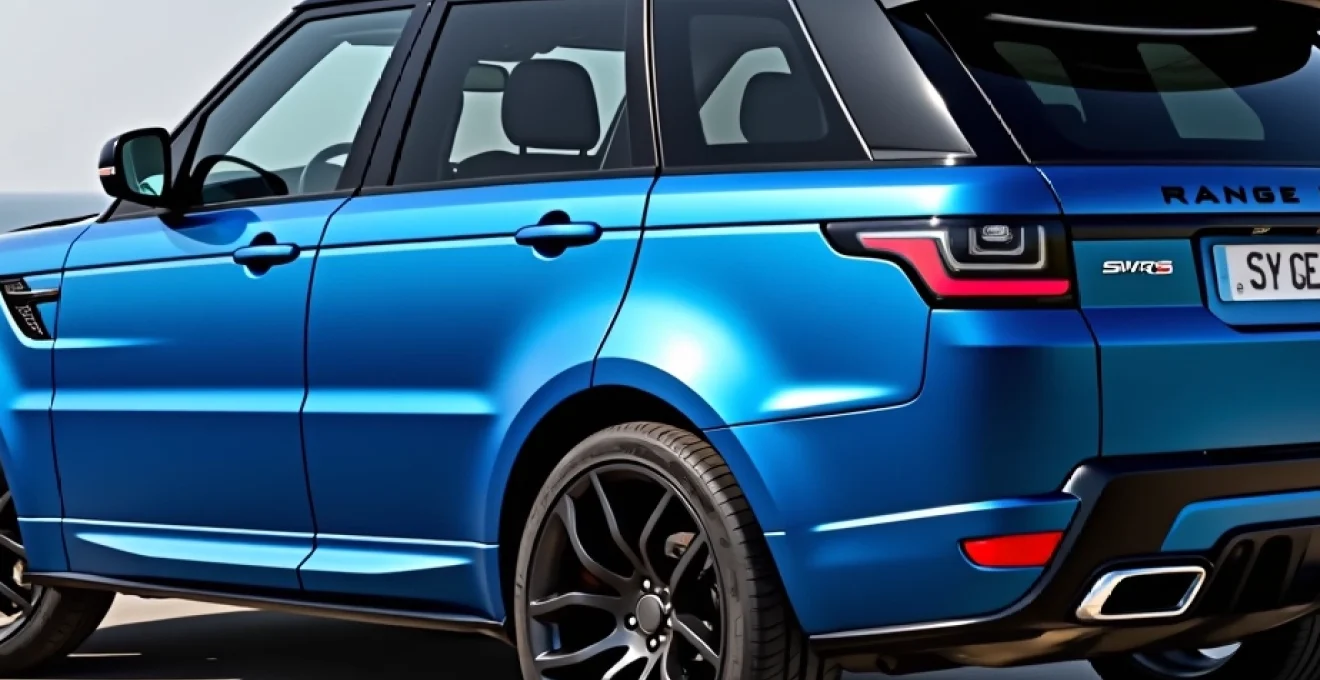
The Range Rover Sport SVR in blue represents one of the most compelling combinations of luxury and performance in today’s SUV market. This flagship model from Land Rover’s Special Vehicle Operations division transforms the already impressive Range Rover Sport into a genuine supercar-hunting machine, all while maintaining the refinement and capability expected from the Range Rover badge. When finished in one of the stunning blue paint options available, the SVR becomes an even more distinctive presence on the road, commanding attention while delivering the kind of performance that can embarrass dedicated sports cars.
The significance of choosing blue for your SVR extends beyond mere aesthetics. Blue paintwork on high-performance vehicles has historically signified racing pedigree and exclusivity, from the iconic Ford GT40 to modern supercars. On the Range Rover Sport SVR, blue enhances the vehicle’s already aggressive design cues whilst adding a sophisticated edge that separates it from more common luxury SUV colours.
Range rover sport SVR specifications and performance metrics
The Range Rover Sport SVR stands as a testament to what happens when engineering expertise meets uncompromising performance ambitions. This vehicle represents the pinnacle of Land Rover’s performance capabilities, incorporating advanced technologies that would be at home in a dedicated sports car whilst maintaining the practical versatility that defines the Range Rover brand.
5.0-litre supercharged V8 engine configuration and power output
At the heart of every Range Rover Sport SVR lies the magnificent 5.0-litre supercharged V8 engine, shared with the Jaguar F-Type R. This powerplant produces a staggering 542bhp and 680Nm of torque, figures that place it firmly in supercar territory. The engine’s architecture incorporates advanced materials and engineering solutions, including a lightweight aluminium block and sophisticated direct injection technology.
The supercharger system employs a twin-vortex design that eliminates lag whilst delivering immediate throttle response. This configuration allows the SVR to accelerate from 0-62mph in just 4.5 seconds, a time that would have been remarkable for a dedicated sports car just a few decades ago. The engine’s soundtrack, enhanced by the quad exhaust system, produces the distinctive V8 rumble that makes the SVR audibly distinctive even at idle.
Adaptive dynamics suspension system and terrain response 2 technology
The SVR’s suspension system represents a masterclass in balancing comfort with performance capability. The Adaptive Dynamics system continuously monitors road conditions and driving inputs, adjusting damper settings up to 500 times per second. This technology ensures that the vehicle remains composed during spirited driving whilst maintaining the comfort expected from a luxury SUV during everyday use.
Terrain Response 2 technology takes the SVR’s capability beyond tarmac performance. The system automatically detects surface conditions and optimises various vehicle parameters accordingly. Whether tackling muddy country lanes or navigating through snow, the SVR adapts its responses to maximise traction and stability. This capability ensures that the vehicle remains as competent off-road as it is on the track.
Brembo Four-Piston brake calipers and stopping distance analysis
Stopping a 2.3-tonne vehicle from high speeds requires exceptional braking capability, and the SVR delivers through its Brembo brake system. The four-piston front calipers, finished in distinctive blue paint, clamp down on 380mm ventilated discs. The rear axle features equally impressive 365mm discs with sliding calipers, ensuring balanced braking performance.
Independent testing has demonstrated that the SVR can stop from 62mph in approximately 33.5 metres, a distance that compares favourably with dedicated sports cars. The brake system incorporates advanced cooling features to prevent fade during repeated hard stops, making the vehicle suitable for track day use whilst remaining refined enough for daily driving.
All-wheel drive intelligent driveline dynamics integration
The SVR’s all-wheel drive system represents far more than simple traction enhancement. The Intelligent Driveline Dynamics system can vary torque distribution between front and rear axles, and between individual wheels, up to 165 times per second. This capability allows the vehicle to optimise grip and handling characteristics for prevailing conditions.
During normal driving, the system typically sends more torque to the rear wheels, enhancing the driving experience whilst maintaining efficiency. When conditions demand maximum traction, or when the driver selects Dynamic mode, the system can distribute power to wherever it’s most needed. This flexibility contributes significantly to the SVR’s impressive performance capabilities across varied driving scenarios.
Blue paint options and exterior colour specifications
The Range Rover Sport SVR offers an extensive palette of blue paint options, each designed to enhance the vehicle’s dramatic styling whilst providing exceptional durability and visual impact. These finishes represent some of the most advanced automotive paint technologies available, incorporating multiple layers and specialised pigments to achieve their distinctive appearance.
Estoril blue metallic factory finish and UV protection properties
Estoril Blue Metallic stands as one of the most popular blue options for the SVR, offering a perfect balance between subtlety and impact. This finish incorporates metallic particles that create depth and richness under varying lighting conditions. The paint system includes advanced UV protection technology that prevents fading and maintains colour vibrancy over extended periods.
The application process for Estoril Blue involves multiple base coats, colour coats, and clear coat layers. This multi-stage process ensures exceptional durability whilst providing the deep, lustrous finish that makes the SVR so visually striking. The metallic particles are precisely sized and distributed to create the optimal balance between colour depth and light reflection.
Velocity blue premium metallic cost analysis and availability
Velocity Blue represents the premium end of the SVR’s blue paint spectrum, commanding an additional cost that reflects its sophisticated formulation and application process. This ultra-metallic finish incorporates advanced pigment technology that creates an almost three-dimensional appearance, particularly effective on the SVR’s sculpted bodywork.
The additional investment required for Velocity Blue typically adds several thousand pounds to the vehicle’s price, but this premium reflects the complexity of the finish and its exceptional visual impact. Availability can be limited due to the specialised application requirements , making vehicles finished in this colour particularly exclusive. The finish requires specific environmental conditions during application and extended curing times to achieve optimal results.
Santorini black roof contrast package compatibility
Blue SVR models often benefit from the contrasting Santorini Black roof option, which creates a striking two-tone appearance that emphasises the vehicle’s sporting credentials. This combination enhances the SVR’s already dramatic silhouette whilst adding visual interest that separates it from single-colour alternatives.
The contrast roof treatment involves precise masking and application techniques to ensure clean colour separation lines. The black roof paint uses the same advanced formulation as the body colour, ensuring consistent durability and weather resistance. This option particularly complements lighter blue shades, creating a sophisticated appearance that enhances the vehicle’s premium positioning.
Carbon fibre body kit integration with blue paintwork
Carbon fibre elements on blue SVR models create compelling visual contrasts that highlight the vehicle’s performance focus. The natural carbon weave pattern provides textural interest against the smooth paint finish, whilst the material’s lightweight properties contribute to the vehicle’s performance capabilities.
Integration requires careful consideration of colour temperature and surface preparation to ensure optimal adhesion and appearance. The carbon fibre components undergo specific surface treatments to promote paint adhesion where body-coloured elements are required. This combination of materials represents the cutting edge of automotive design and manufacturing , creating vehicles that stand out in any setting.
Market positioning and competitor analysis against BMW X5 M and porsche cayenne turbo
The Range Rover Sport SVR operates in an exclusive segment where luxury meets extreme performance. This market position places it in direct competition with some of the most accomplished performance SUVs available, including the BMW X5 M and Porsche Cayenne Turbo S. Understanding how the SVR compares against these formidable rivals helps potential buyers make informed decisions about their investment.
Performance metrics reveal interesting comparisons across this elite group. The SVR’s 542bhp output sits between the X5 M’s 617bhp and the Cayenne Turbo’s 541bhp, though power figures alone don’t tell the complete story. The SVR’s 4.5-second 0-62mph time matches the Cayenne Turbo whilst trailing the X5 M’s 3.8-second sprint. However, the Range Rover’s superior off-road capability and more luxurious interior appointment help differentiate it from its German rivals.
Pricing analysis shows the SVR positioned as a premium offering within this segment. New vehicle pricing typically exceeds £100,000, placing it above the base Cayenne Turbo but below fully-optioned versions of either German alternative. The used market reveals more competitive positioning , with three-year-old SVR models often available for similar money to newer, less powerful alternatives. This depreciation pattern creates opportunities for buyers seeking maximum capability for their investment.
Brand positioning plays a crucial role in the SVR’s market appeal. Range Rover’s heritage and reputation for luxury often attracts buyers who might otherwise consider less practical alternatives. The SVR combines this prestige with genuine sports car performance, creating a unique proposition that its competitors struggle to match exactly.
The SVR represents the ultimate expression of Range Rover’s capability, combining uncompromising performance with unmatched luxury and versatility.
Pre-purchase technical inspection checklist and common issues
Purchasing a used Range Rover Sport SVR requires careful technical evaluation to ensure you’re investing in a vehicle that will provide reliable service. These high-performance machines incorporate sophisticated systems that demand proper maintenance and can develop specific issues that buyers should understand before committing to purchase.
Supercharger belt tensioner and cooling system diagnostics
The supercharger system represents one of the most critical areas requiring inspection on any used SVR. The belt tensioner system must maintain precise tension to ensure optimal supercharger operation and prevent catastrophic failure. Listen for unusual whining or squealing sounds during engine operation, which can indicate bearing wear or belt tension issues.
Cooling system inspection should include radiator condition, coolant level and colour, and proper operation of cooling fans. The SVR’s high-performance engine generates significant heat, making the cooling system particularly important. Look for evidence of coolant leaks around hose connections and inspect the radiator for damage or corrosion. Temperature gauge behaviour during test drives should remain stable, with no tendency toward overheating.
Air suspension compressor and height sensor functionality testing
The SVR’s air suspension system provides both comfort and performance benefits, but it represents a potential maintenance concern for used vehicle buyers. Test the system’s ability to raise and lower the vehicle through its various height settings, listening for unusual noises from the compressor or air springs. The system should operate smoothly and quietly, with no hesitation or irregular behaviour.
Height sensors require particular attention, as failure can result in uneven vehicle stance or complete suspension system malfunction. During your inspection, observe whether the vehicle sits level at rest and maintains proper height during operation. Electronic error messages related to suspension operation should be investigated thoroughly, as they can indicate expensive component failures.
Differential oil service history and transmission fluid analysis
The SVR’s sophisticated drivetrain requires regular maintenance to ensure longevity and performance. Differential oil changes are particularly important given the system’s complexity and the stresses imposed by the vehicle’s performance capabilities. Request service records documenting these maintenance items, as neglect can result in expensive failures.
Transmission fluid condition provides valuable insights into previous maintenance quality and potential future issues. Fresh fluid should appear bright red and smell clean, whilst burnt or dark fluid indicates neglect or internal problems. The eight-speed automatic transmission is generally robust but requires proper maintenance to deliver reliable service . Gear changes during test drives should be smooth and responsive, with no hesitation or harsh engagement.
Electronic stability programme calibration and sensor verification
Modern performance vehicles like the SVR depend heavily on electronic systems to deliver their impressive capabilities safely. The Electronic Stability Programme incorporates multiple sensors monitoring wheel speed, lateral acceleration, and steering input. These systems require proper calibration to function correctly, and sensor failures can significantly impact vehicle behaviour.
During inspection, verify that all electronic systems operate without error messages or unusual behaviour. Test the various driving modes to ensure proper system response and integration. Any warning lights or error messages should be investigated thoroughly, as electronic system repairs can be expensive and complex. Professional diagnostic equipment may be necessary to fully evaluate these systems , making pre-purchase inspections at qualified facilities worthwhile investments.
Depreciation patterns and residual value forecasting for SVR models
Understanding depreciation patterns for the Range Rover Sport SVR helps buyers make informed financial decisions about their purchase timing and expected ownership costs. Like most luxury performance vehicles, the SVR experiences significant initial depreciation followed by more gradual value decline as it approaches collector status.
First-year depreciation typically exceeds 25% of the original purchase price, reflecting the premium commanded by new vehicle status and the reality of stepping into the used market. This initial decline creates opportunities for buyers willing to purchase nearly-new examples, as they can access full manufacturer warranty coverage whilst avoiding the steepest depreciation period. Three-year-old examples often represent the optimal balance between depreciation and remaining warranty coverage.
Market analysis indicates that well-maintained SVR models with comprehensive service histories tend to depreciate more slowly than neglected examples. The vehicle’s relatively limited production numbers help support residual values , particularly for desirable colour combinations like blue examples with contrasting roofs or special edition variants. Documentation becomes increasingly important as vehicles age, with complete service records and original purchase documentation commanding premium prices.
Future depreciation patterns suggest that the SVR may approach classic status as emission regulations make similar vehicles increasingly rare. The combination of naturally-aspirated V8 power and traditional luxury appointments may become particularly desirable to collectors.
The SVR represents the end of an era for naturally-aspirated V8 performance in luxury SUVs, positioning it as a potential future classic.
Insurance classifications and running cost calculations
Operating a Range Rover Sport SVR involves significant ongoing costs beyond the initial purchase price, with insurance representing one of the largest annual expenses. Understanding these costs helps potential buyers budget appropriately and avoid unpleasant financial surprises after purchase.
Insurance group ratings for the SVR typically fall between 44 and 50, the highest categories available. These ratings reflect the vehicle’s high value, expensive repair costs, and powerful performance capabilities. Annual premiums can easily exceed £2,000 for many drivers, with younger drivers or those with limited experience facing significantly higher costs. Shopping among specialist insurers who understand performance vehicles often yields better rates than mainstream providers.
Fuel consumption represents another significant ongoing expense, with real-world economy figures rarely exceeding 20mpg even during careful driving. Spirited driving can easily reduce consumption to the mid-teens, making fuel costs a substantial consideration. The SVR’s 86-litre fuel tank provides reasonable range despite the high consumption , but frequent visits to petrol stations become routine for regular users.
Maintenance costs reflect the vehicle’s sophisticated engineering and high-performance components. Annual servicing typically costs £1,000-£1,500 at main dealers, with major services potentially exceeding £2,000. Wear items like tyres, brake pads, and discs command premium prices reflecting their high-performance specifications. Budgeting £3,000-£5,000 annually for maintenance and repairs helps ensure adequate provision for these expenses.
| Cost Category | Annual Estimate |
| Insurance Premium | £2,000-£4,000 |
| Fuel (15,000 miles) | £4,500-£6,000 |
| Maintenance & Servicing | £2,000-£3,500 |
| Depreciation (3-5 years old) | £8,000-£12,000 |
Road tax calculations vary depending on registration date and CO2 emissions, with newer vehicles subject to the luxury car surcharge. This additional tax applies for the first five years of registration on vehicles costing more than £40,000 when new, adding £350 annually to the standard rate. Combined with the standard annual vehicle excise duty,
total annual road tax burden can reach £545 for newer SVR models. Understanding these costs upfront prevents budget surprises and helps buyers make informed decisions about ownership duration and usage patterns.
Extended warranty options become increasingly valuable as SVR models age beyond their manufacturer coverage. Third-party warranty providers often offer comprehensive coverage specifically designed for luxury performance vehicles, though premiums reflect the higher risk associated with these sophisticated machines. Carefully reviewing warranty terms and exclusions helps ensure adequate protection against unexpected repair costs. Coverage typically ranges from £1,500-£3,000 annually, depending on vehicle age and mileage.
Total cost of ownership calculations reveal that SVR ownership represents a significant financial commitment. Beyond the purchase price, annual running costs frequently exceed £15,000 when including depreciation, insurance, fuel, maintenance, and taxation. This figure can vary dramatically based on usage patterns, with track day enthusiasts or high-mileage drivers facing substantially higher expenses. However, for buyers who value the unique combination of luxury, performance, and exclusivity that the SVR provides, these costs represent the price of admission to an exclusive automotive experience.
Comparing ownership costs against lease alternatives often reveals interesting financial dynamics. Short-term leasing arrangements can provide access to newer vehicles with warranty coverage whilst avoiding depreciation risks. However, mileage restrictions and wear-and-tear charges can make leasing expensive for enthusiastic drivers who fully utilise the SVR’s capabilities. Purchase decisions should consider individual usage patterns, financial circumstances, and long-term automotive goals to determine the optimal ownership structure.