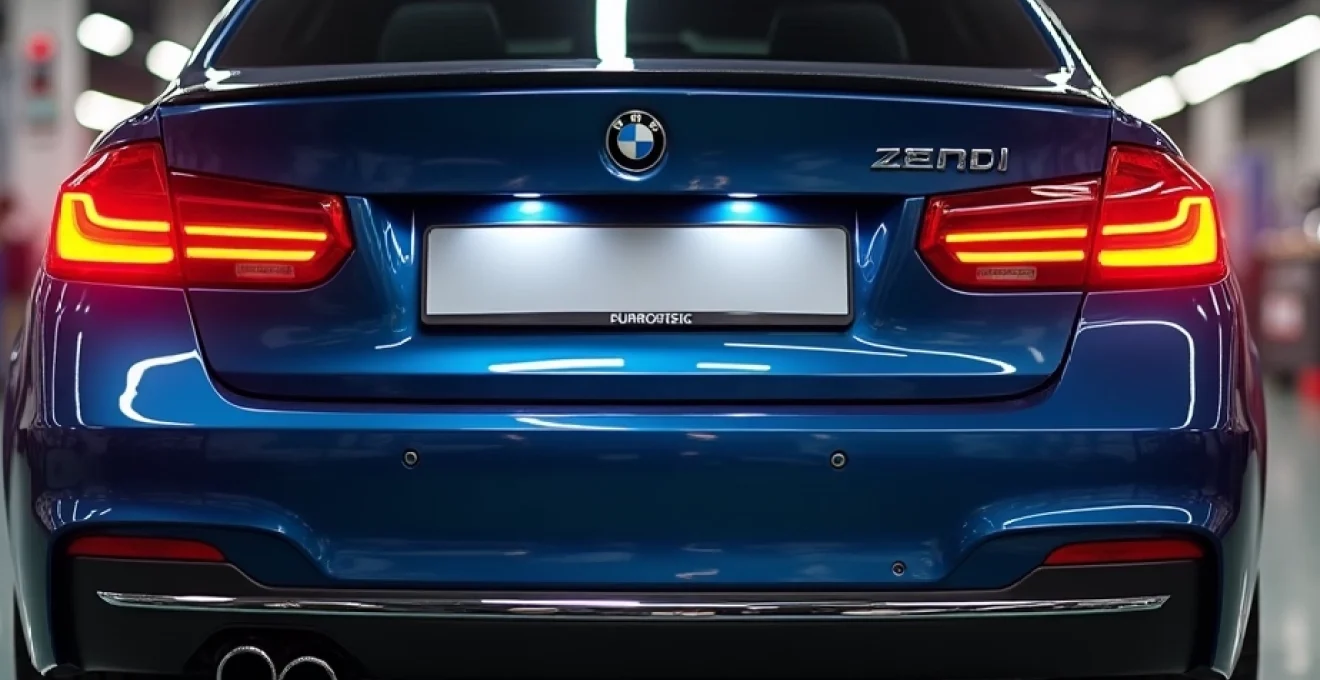
When your vehicle’s dashboard displays a warning about inoperative registration plate lamps, it’s more than just an inconvenience—it’s a legal requirement that demands immediate attention. Modern vehicles rely on sophisticated electrical systems to monitor lighting circuits, and when these sensors detect a malfunction in your number plate illumination, they trigger dashboard warnings and error codes. Understanding the complexity of these systems is crucial for both DIY enthusiasts and professional mechanics, as registration plate lamp failures can stem from various sources ranging from simple bulb degradation to complex wiring harness issues.
The integration of LED technology and CAN bus systems in contemporary vehicles has transformed how registration plate lamps operate and fail. Unlike traditional incandescent bulbs that simply burn out, LED units can experience partial failures, creating intermittent faults that confuse diagnostic systems. This evolution in automotive lighting technology requires a more nuanced approach to troubleshooting, combining traditional electrical testing methods with modern diagnostic scanner capabilities.
Diagnosing registration plate lamp circuit failures
Effective diagnosis of registration plate lamp failures requires a systematic approach that combines visual inspection with electronic testing. The complexity of modern vehicle electrical systems means that what appears to be a simple bulb failure might actually indicate deeper circuit problems. Professional diagnostic procedures begin with understanding the complete lighting circuit architecture, including the body control module’s role in monitoring lamp operation.
Multimeter testing of 12V circuit continuity
Digital multimeter testing forms the foundation of electrical diagnosis in automotive lighting circuits. When testing registration plate lamp circuits, you’ll need to verify voltage supply, ground integrity, and circuit continuity under various operating conditions. Begin by measuring voltage at the lamp connector with the lights activated—you should observe 12.6-14.4 volts depending on engine running status.
Resistance testing proves equally valuable for identifying high-resistance connections that cause intermittent failures. Poor earth connections often manifest as voltage drop across the ground circuit, reducing illumination intensity before complete failure occurs. Professional technicians measure voltage drop across both positive and negative circuits, with acceptable readings typically below 0.5 volts per connection point.
OBD-II scanner error codes for rear light malfunctions
Modern vehicles generate specific diagnostic trouble codes (DTCs) when registration plate lamp circuits malfunction. These codes provide valuable insights into the nature of the failure, distinguishing between open circuits, short circuits, and excessive current draw conditions. Common codes include those related to rear lighting module communication failures and individual lamp circuit malfunctions.
Advanced diagnostic scanners can display real-time data from the body control module, showing actual versus expected current draw for each lighting circuit. This capability proves invaluable when dealing with LED compatibility issues in vehicles originally equipped with incandescent bulbs, as the reduced current draw of LEDs can trigger “bulb out” warnings in systems expecting higher current consumption.
Professional diagnostic equipment can identify registration plate lamp failures before they become visible to the naked eye, enabling proactive maintenance that prevents MOT failures and roadside penalties.
Visual inspection of lamp housing water ingress
Water ingress represents one of the most common causes of registration plate lamp failure, particularly in vehicles exposed to harsh weather conditions. Visual inspection should focus on identifying moisture accumulation within lamp housings, corrosion around electrical connections, and degraded sealing materials. Modern lamp assemblies incorporate rubber gaskets and plastic housings that can deteriorate over time, allowing moisture penetration.
The inspection process requires removing lamp assemblies to examine internal components thoroughly. Look for condensation patterns, mineral deposits from dried water, and corrosion on metal components. Salt corrosion proves particularly problematic in coastal areas, accelerating the degradation of electrical connections and creating high-resistance paths that cause intermittent failures.
Testing earth connection points behind number plate
Ground connection integrity directly affects registration plate lamp performance, with poor earthing causing reduced illumination intensity and premature component failure. Testing earth connections requires measuring resistance between lamp negative terminals and known good ground points on the vehicle chassis. Acceptable resistance readings should remain below 0.1 ohms for optimal circuit performance.
Environmental factors significantly impact earth connection quality, with road salt, moisture, and temperature cycling contributing to connection degradation. Professional repair procedures include cleaning earth points with appropriate solvents, applying protective coatings, and ensuring adequate contact pressure between mating surfaces.
Common registration plate lamp component failures
Understanding the failure modes of registration plate lamp components enables more effective diagnosis and repair strategies. Modern vehicles incorporate various lamp technologies, each with distinct failure characteristics and replacement requirements. Component failures rarely occur in isolation, often indicating broader electrical system issues that require comprehensive investigation.
LED bulb degradation in modern vehicle applications
LED bulbs in automotive applications experience unique failure modes that differ significantly from traditional incandescent lamps. Rather than sudden complete failure, LEDs typically exhibit gradual degradation in light output, colour temperature shifts, and individual diode failures within multi-LED assemblies. This gradual deterioration can create situations where lamps appear functional during casual inspection but fail to meet legal illumination requirements.
Temperature cycling represents a primary cause of LED degradation in automotive applications. The thermal expansion and contraction cycles experienced during normal vehicle operation stress LED junction materials and solder connections, leading to increased forward voltage and reduced light output. Quality LED replacements incorporate thermal management features and robust construction materials that resist these environmental stresses more effectively than budget alternatives.
Lamp holder corrosion in maritime climate conditions
Lamp holder corrosion presents particular challenges in coastal environments where salt spray accelerates metal degradation. The combination of moisture, salt, and electrical current creates ideal conditions for galvanic corrosion, particularly where dissimilar metals contact each other. Professional repair procedures address both the immediate corrosion damage and implement preventive measures to reduce future occurrences.
Corrosion patterns vary depending on the materials involved and environmental exposure levels. Brass lamp holders typically develop green patina corrosion, while steel components exhibit rust formation. Aluminium corrosion appears as white, powdery deposits that can completely insulate electrical connections if left untreated.
Wiring harness deterioration at tailgate flex points
Wiring harness failures at tailgate and boot lid flex points represent a significant source of registration plate lamp problems. The repeated flexing motion during opening and closing cycles gradually fatigues copper conductors and degrades insulation materials. Professional diagnosis requires careful inspection of wiring at these flex points, often revealing internal conductor breaks that maintain external appearance integrity.
Repair strategies for flex point failures include conductor replacement, improved strain relief, and routing modifications that reduce mechanical stress. Modern repair techniques utilise flexible conductor materials specifically designed for high-flex applications, extending service life significantly compared to standard automotive wiring.
Wiring harness failures at tailgate flex points account for approximately 35% of registration plate lamp complaints in vehicles over five years old, making this a critical inspection point during diagnostic procedures.
Fuse box issues affecting rear lighting circuit
Fuse box problems affecting rear lighting circuits extend beyond simple fuse failures to include relay malfunctions, connector corrosion, and power distribution module defects. Modern vehicles incorporate multiple fuses and relays in the rear lighting circuit, creating complex failure modes that require systematic diagnosis. Understanding fuse box architecture proves essential for effective troubleshooting.
Intermittent fuse box problems often manifest as registration plate lamp failures that resolve temporarily when connections are disturbed. These symptoms indicate high-resistance connections within the fuse box assembly, requiring detailed inspection and connection cleaning. Professional repair procedures include contact cleaning, corrosion removal, and connection tension adjustment to restore reliable electrical contact.
Vehicle-specific replacement procedures
Different vehicle manufacturers employ varying approaches to registration plate lamp installation and access, requiring model-specific knowledge for efficient repair. Understanding these variations enables technicians to complete repairs efficiently while avoiding common pitfalls that can damage surrounding components or compromise weatherproofing integrity.
Ford focus and fiesta lamp assembly removal techniques
Ford Focus and Fiesta models utilise accessible lamp assemblies that can be removed using basic hand tools, though specific procedures vary between model years and trim levels. Early models feature screw-retained assemblies, while later versions incorporate push-fit connectors that require careful manipulation to avoid damage. The removal process typically involves accessing the lamp assembly from behind the number plate mounting area.
Professional techniques include using appropriate trim removal tools to prevent damage to plastic mounting tabs and ensuring proper weatherseal positioning during reassembly. Ford-specific service procedures emphasise the importance of torque specifications for mounting screws, as over-tightening can crack plastic housings and create water ingress paths.
Volkswagen golf and polo number plate light access methods
Volkswagen Group vehicles feature sophisticated lamp assemblies integrated with boot lid or tailgate structures, requiring specific access techniques that respect the vehicle’s engineering integrity. These assemblies often incorporate multiple functions beyond basic registration plate illumination, including security lighting and aesthetic enhancement features.
Access procedures for Volkswagen models typically require partial trim panel removal to reach electrical connections and mounting hardware. Professional diagnosis includes testing CAN bus communication between the lamp module and body control systems, as these vehicles utilise intelligent lighting control that monitors individual lamp operation continuously.
BMW 3 series and 5 series registration lamp housing replacement
BMW vehicles incorporate premium lamp assemblies with integrated control electronics and adaptive lighting features that complicate replacement procedures. These systems require coding and calibration procedures following component replacement, necessitating professional diagnostic equipment for complete repair.
Replacement procedures for BMW registration plate lamps include verifying software compatibility between new components and existing vehicle systems. The integration of LED technology with active cooling systems requires attention to thermal management during installation, ensuring adequate ventilation pathways remain unobstructed.
Vauxhall corsa and astra rear light cluster integration
Vauxhall models often integrate registration plate illumination within larger rear light cluster assemblies, requiring careful diagnosis to distinguish between cluster failures and dedicated number plate lamp problems. These integrated systems share common power supplies and control circuits, creating complex fault propagation patterns that require systematic analysis.
Professional repair procedures account for the interaction between various lighting functions within integrated assemblies, ensuring that registration plate lamp repairs don’t compromise other lighting operations. Cluster-level diagnostics prove essential for identifying root causes of multi-function lighting failures.
Professional repair tools and equipment requirements
Effective registration plate lamp repair requires appropriate tools and equipment that enable safe, efficient work while maintaining professional standards. The investment in quality diagnostic and repair tools pays dividends through reduced repair times, improved diagnostic accuracy, and enhanced customer satisfaction. Professional automotive electrical work demands precision instruments capable of measuring small voltage and current variations that indicate developing problems.
Digital multimeters with automotive-specific features form the cornerstone of electrical diagnostic equipment. Look for meters offering low-impedance voltage measurement, duty cycle measurement, and frequency response capabilities suitable for modern vehicle electrical systems. Oscilloscope functionality proves invaluable for diagnosing intermittent problems and analysing signal quality in CAN bus applications.
Specialised automotive tools include trim removal sets designed to prevent damage to plastic components, terminal release tools for working with modern connector systems, and heat guns for shrink tubing applications. Wire stripping and crimping tools must meet automotive quality standards to ensure reliable long-term connections that resist corrosion and mechanical stress.
Professional-grade diagnostic equipment reduces registration plate lamp repair times by up to 60% compared to basic tools, while significantly improving repair reliability and customer satisfaction ratings.
MOT compliance and legal requirements for registration plate illumination
UK MOT regulations specify precise requirements for registration plate illumination that extend beyond simple functionality to include light distribution patterns, intensity levels, and colour temperature specifications. Understanding these legal requirements ensures that repairs meet regulatory standards and avoid subsequent test failures. The regulations apply to all vehicles requiring MOT certification, with specific provisions for different vehicle categories and registration dates.
Light output requirements mandate adequate illumination across the entire registration plate area, with specific intensity levels measured at standardised distances. The regulations prohibit any obstruction of the illuminated area and require even light distribution without significant shadows or dark spots. Colour temperature specifications restrict acceptable LED replacements to those producing light within defined spectral ranges that ensure adequate plate visibility.
Enforcement procedures include roadside inspections and MOT test protocols that verify both functionality and compliance with technical specifications. Modern MOT testing equipment includes light metres capable of measuring actual illumination levels, ensuring that marginal repairs are identified and corrected. Vehicle operators face penalties including fines, penalty points, and vehicle prohibition notices for non-compliant registration plate lighting.
Regular inspection schedules should include registration plate lamp functionality checks, particularly before MOT tests and during seasonal maintenance procedures. Professional service schedules typically incorporate lighting system inspections at six-month intervals, enabling proactive replacement of aging components before failure occurs.
Preventive maintenance strategies for rear lighting systems
Implementing comprehensive preventive maintenance strategies for rear lighting systems significantly reduces the likelihood of unexpected registration plate lamp failures and associated legal complications. These strategies combine regular inspection schedules with proactive component replacement based on service life expectations and environmental exposure factors. Professional maintenance programmes account for vehicle usage patterns, operating environments, and manufacturer recommendations to optimise component reliability.
Routine maintenance procedures include cleaning lamp lenses to remove accumulated dirt and road film that reduces light output, inspecting electrical connections for corrosion or looseness, and testing circuit integrity using appropriate diagnostic equipment. Environmental protection measures such as applying dielectric grease to connections and ensuring proper drainage from lamp housings extend component service life significantly.
Replacement scheduling based on component age and usage patterns prevents unexpected failures during critical periods such as winter months when lighting system reliability becomes paramount. Professional maintenance records track component replacement dates, enabling prediction of future maintenance requirements and budget planning for fleet operators.
Advanced preventive strategies incorporate condition monitoring techniques that identify developing problems before complete failure occurs. These approaches utilise diagnostic scanners to monitor circuit parameters continuously, alerting operators to degrading connections or failing components while repair options remain cost-effective and convenient to implement.