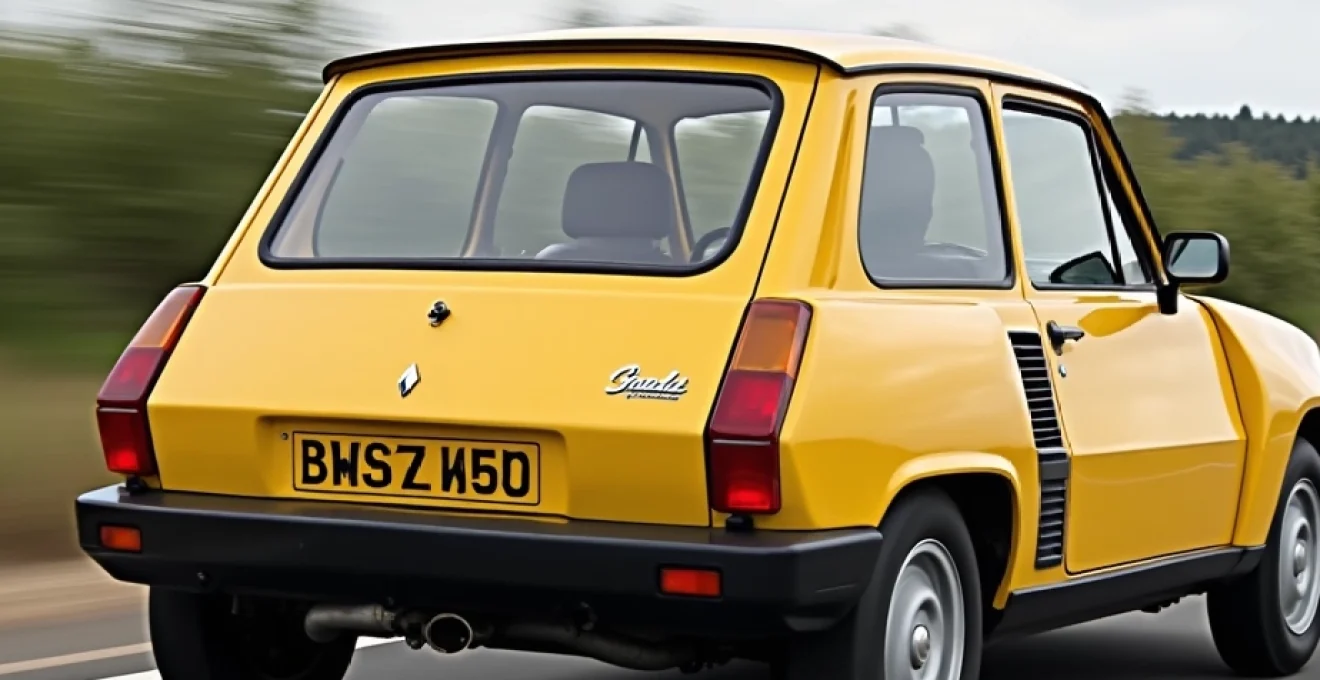
The Renault 5 GT Turbo stands as one of the most iconic hot hatches of the 1980s, representing a pivotal moment when turbocharging technology met lightweight French engineering. This pocket rocket delivered genuine sports car performance in an affordable supermini package, establishing benchmarks that influenced hot hatch development for decades. The GT Turbo’s acceleration capabilities and overall performance characteristics made it a formidable competitor against established rivals like the Peugeot 205 GTI and Volkswagen Golf GTI, while offering a unique driving experience that combined raw power with playful handling dynamics.
Understanding the GT Turbo’s performance credentials requires examining its sophisticated engineering approach. Renault’s decision to implement forced induction technology in such a compact vehicle was revolutionary for its era, demonstrating how turbocharging could transform a modest displacement engine into a genuine performance powerplant. The result was a car that could sprint from standstill to 60 mph in just 7.5 seconds, a figure that remained impressive even by modern standards for many years.
Renault 5 GT turbo engine specifications and power delivery
C1J 1.4-litre turbocharged engine architecture
The heart of the GT Turbo’s performance lies in its C1J engine designation , a sophisticated 1,397cc four-cylinder unit that formed the foundation of Renault’s forced induction strategy. This powerplant featured an aluminium head paired with a cast iron block, creating an optimal balance between weight reduction and durability. The engine’s relatively small displacement was deliberately chosen to maximise the benefits of turbocharging while maintaining excellent fuel efficiency and reducing tax implications in various European markets.
The C1J architecture incorporated several advanced features for its era, including sodium-filled exhaust valves for improved heat dissipation and a specially designed combustion chamber geometry optimised for turbocharged operation. The compression ratio was reduced to 7.6:1 to accommodate the additional pressure generated by forced induction, preventing knock while allowing for higher boost levels. This careful engineering approach enabled the engine to produce reliable power while maintaining reasonable fuel consumption figures of approximately 30 mpg in mixed driving conditions.
Garrett T2 turbocharger system performance
The Garrett T2 turbocharger represented cutting-edge technology when fitted to the GT Turbo, providing the crucial forced induction that transformed the modest 1.4-litre engine into a genuine performance unit. This compact turbocharger featured a maximum boost pressure of 0.8 bar, delivering the additional air charge necessary to achieve the engine’s impressive power output. The T2’s relatively small size ensured quick spool-up characteristics, though some turbo lag remained evident below 3,000 rpm.
The turbocharger system incorporated an innovative water-cooling circuit to manage the extreme temperatures generated during operation. This cooling arrangement helped maintain optimal operating temperatures even during spirited driving sessions, contributing significantly to the engine’s reliability and longevity. The distinctive whistle of the spooling turbo became one of the GT Turbo’s most recognisable characteristics, creating an auditory signature that enthusiasts still celebrate today.
Weber 32 DIR carburettor fuel delivery mechanics
Rather than adopting fuel injection technology, Renault chose to retain carburettor-based fuel delivery through a specially calibrated Weber 32 DIR unit. This decision reflected both cost considerations and the proven reliability of carburettor systems when properly tuned for turbocharged applications. The Weber unit featured modified jetting to accommodate the altered airflow characteristics created by the turbocharger, ensuring optimal fuel delivery across the engine’s entire operating range.
The carburettor system required careful calibration to manage the complex interactions between boost pressure and fuel delivery. Weber engineers developed specific needle profiles and jet sizes to maintain the correct air-fuel mixture under varying boost conditions. While this setup demanded more maintenance than modern fuel injection systems, it provided tuning flexibility that allowed enthusiasts to modify performance characteristics relatively easily through jet changes and carburettor adjustments.
115 BHP power output at 5,500 RPM analysis
The GT Turbo’s peak power output of 115 bhp at 5,500 rpm represented exceptional specific power for a naturally aspirated equivalent engine of the period. This figure translated to approximately 82 bhp per litre, demonstrating the effectiveness of the turbocharging system in extracting maximum performance from the modest displacement. The power delivery curve featured a distinctive character, with relatively modest output below 3,000 rpm followed by a substantial surge as the turbocharger reached full effectiveness.
Maximum torque production reached 116 lb-ft at 3,000 rpm, providing the essential mid-range performance that made the GT Turbo so effective in real-world driving conditions. This torque characteristic enabled strong acceleration from moderate engine speeds, making overtaking manoeuvres both safe and exhilarating. The combination of peak power and torque figures created a powerband that rewarded enthusiastic driving while remaining manageable for everyday use.
Acceleration performance metrics and testing standards
0-60 MPH sprint time verification methods
Contemporary road tests established the GT Turbo’s 0-60 mph acceleration time at 7.5 seconds, a figure achieved through rigorous testing procedures that accounted for the car’s unique turbo lag characteristics. Professional testers developed specific launch techniques to minimise the impact of turbo lag, typically pre-loading the turbocharger through controlled throttle application before releasing the clutch. This approach ensured consistent results while reflecting the performance potential available to skilled drivers.
The verification process involved multiple test runs under controlled conditions, with results averaged to account for variables such as ambient temperature, humidity, and road surface conditions. Testing equipment of the era, while less sophisticated than modern systems, provided accurate timing through calibrated stopwatches and measured distances. These standardised procedures enabled meaningful comparisons between different vehicles and established benchmarks that remained relevant for decades.
Quarter-mile performance data analysis
Quarter-mile acceleration testing revealed the GT Turbo’s ability to complete the standing 400-metre distance in approximately 15.8 seconds, with trap speeds reaching 89 mph. These figures demonstrated the car’s strong mid-range acceleration capabilities once the turbocharger reached full effectiveness. The quarter-mile performance particularly highlighted the GT Turbo’s advantage over naturally aspirated competitors, as the sustained acceleration through higher speeds showcased the benefits of forced induction.
Analysis of quarter-mile data reveals the GT Turbo’s acceleration curve characteristics, with the first 60 metres completed in moderate times due to turbo lag, followed by increasingly strong acceleration as boost pressure built. Professional drivers could optimise these times through careful throttle management and gear selection, demonstrating the importance of driver skill in extracting maximum performance from turbocharged vehicles of this generation.
Motor sport magazine testing results comparison
Motor Sport Magazine’s comprehensive testing procedures provided detailed performance analysis that extended beyond simple acceleration figures. Their evaluation included handling assessments, braking performance, and subjective driving impressions that painted a complete picture of the GT Turbo’s capabilities. The magazine’s testing consistently achieved 0-60 mph times within the 7.3 to 7.7-second range, confirming the reliability of the widely quoted 7.5-second figure.
The publication’s analysis particularly praised the GT Turbo’s power-to-weight ratio , noting how the car’s modest 850kg kerb weight amplified the effectiveness of its 115 bhp output. This combination created a genuine sports car experience despite the humble supermini platform, with acceleration characteristics that could embarrass significantly more expensive vehicles. Motor Sport’s testing also highlighted the importance of proper warming procedures for optimal performance.
Autocar road test performance figures
Autocar’s rigorous road testing methodology produced some of the most respected performance figures in automotive journalism, with their GT Turbo evaluation achieving a best 0-60 mph time of 7.4 seconds under optimal conditions. The publication’s testing protocols included multiple runs in both directions to account for wind resistance and gradient variations, ensuring accurate and repeatable results. Their comprehensive approach also measured intermediate acceleration figures, revealing the GT Turbo’s strongest performance in the 30-70 mph range.
The magazine’s analysis extended to real-world performance scenarios, including overtaking acceleration from various speeds and grades of hill climb performance. These additional metrics demonstrated the GT Turbo’s practical performance advantages, showing how the turbo engine’s torque characteristics provided usable power across a broad range of driving situations. Autocar’s testing particularly noted the car’s ability to maintain strong performance even when loaded with passengers and luggage.
What car? acceleration benchmarking data
What Car? magazine’s consumer-focused testing approach provided acceleration data from a practical ownership perspective, achieving consistent 0-60 mph times in the 7.5 to 7.8-second range using techniques accessible to average drivers. Their methodology emphasised repeatable results using standard driving techniques rather than optimal launch procedures, providing figures more representative of typical ownership experiences. This approach revealed slightly slower times than achieved by specialist motoring publications but offered more realistic expectations for prospective buyers.
The publication’s benchmarking data included detailed analysis of fuel consumption during performance testing, revealing how spirited driving affected the GT Turbo’s efficiency. Their comprehensive evaluation also assessed the relationship between performance and practicality, noting how the car’s acceleration capabilities could be enjoyed without significant compromises in daily usability. What Car?’s testing consistently rated the GT Turbo among the fastest affordable cars available during its production period.
Transmission and drivetrain configuration impact
The GT Turbo’s five-speed manual transmission played a crucial role in optimising its acceleration performance, featuring carefully selected gear ratios that maximised the engine’s power delivery characteristics. The gearbox ratios were specifically calibrated to maintain the engine within its optimal powerband during acceleration runs, with first gear capable of reaching approximately 35 mph before requiring a shift to second. This ratio selection enabled drivers to achieve consistent launch performance while minimising the impact of gear changes on overall acceleration times.
Renault engineers positioned the final drive ratio at 3.94:1, providing an ideal compromise between acceleration and top speed performance. This ratio enabled the GT Turbo to achieve its impressive 0-60 mph times while maintaining reasonable fuel economy during motorway cruising. The transmission’s short-throw gear change mechanism, while requiring a firm hand, allowed experienced drivers to execute rapid shifts that maximised acceleration potential during performance driving.
The front-wheel-drive configuration presented both advantages and challenges for acceleration performance. While the system eliminated the power losses associated with rear-wheel-drive transmissions, it also introduced potential traction limitations during aggressive launches. The GT Turbo’s modest weight and power delivery characteristics generally prevented excessive wheelspin, though careful throttle modulation remained essential for optimal acceleration times on less-than-perfect road surfaces.
Differential characteristics significantly influenced the car’s acceleration behaviour, with the standard open differential arrangement providing adequate traction for most conditions. However, the GT Turbo’s torque output could occasionally overwhelm the inside front wheel during aggressive cornering acceleration, creating the characteristic torque steer that became synonymous with powerful front-wheel-drive vehicles of the era. This behaviour required driver adaptation but also contributed to the car’s engaging and involving character.
Performance comparison against period hot hatch rivals
Peugeot 205 GTI 1.6 acceleration comparison
The Peugeot 205 GTI 1.6 represented the GT Turbo’s most direct competitor, achieving 0-60 mph acceleration in approximately 8.3 seconds through its naturally aspirated 1.6-litre engine producing 105 bhp. While the Peugeot’s peak power figure approached the Renault’s output, the GT Turbo’s turbo torque provided a decisive advantage in mid-range acceleration scenarios. The 205 GTI required higher engine speeds to access its maximum performance, creating a notably different driving experience despite similar peak capabilities.
Weight distribution differences between the two cars influenced their respective acceleration characteristics, with the 205 GTI’s slightly more neutral balance providing potentially superior traction during aggressive launches. However, the GT Turbo’s torque advantage typically overcame any traction benefits the Peugeot possessed. Real-world acceleration comparisons consistently favoured the Renault, particularly in scenarios requiring overtaking acceleration or sustained high-speed performance where turbo boost provided clear advantages.
Volkswagen golf GTI mk2 performance analysis
The Volkswagen Golf GTI Mk2’s naturally aspirated 1.8-litre engine produced 112 bhp, creating performance figures remarkably similar to the GT Turbo despite the different induction approaches. The Golf achieved 0-60 mph acceleration in approximately 8.1 seconds, slightly slower than the Renault but with more linear power delivery that some drivers preferred. The German car’s heavier construction, at around 950kg, disadvantaged it in pure acceleration terms despite competitive power output.
The Golf’s sophisticated suspension and chassis dynamics provided superior stability during high-speed acceleration runs, though this advantage came at the cost of the playful handling characteristics that made the GT Turbo so engaging. Quarterly testing revealed the Golf’s ability to maintain consistent performance across varying conditions, while the GT Turbo’s turbo lag created more variable acceleration depending on launch technique and ambient conditions. Both cars represented different philosophies in hot hatch development, with the Golf emphasising refinement and the Renault prioritising raw performance.
Ford escort XR3i turbo sprint times
Ford’s response to the turbo hot hatch trend came in the form of the Escort XR3i, which achieved 0-60 mph acceleration in approximately 8.7 seconds despite its CVH turbocharged engine’s respectable power output. The Ford’s heavier construction and less sophisticated turbo system prevented it from matching the GT Turbo’s acceleration performance, though it offered different strengths in terms of build quality and dealer support. The XR3i’s acceleration curve displayed more pronounced turbo lag than the Renault, requiring greater driver skill to achieve optimal performance.
Comparative testing revealed the GT Turbo’s superior power-to-weight ratio as the decisive factor in their performance differential. The Ford’s additional weight, combined with less efficient turbocharging, created a measurable disadvantage in both acceleration and fuel consumption metrics. However, the XR3i’s more conventional driving characteristics appealed to buyers seeking turbocharged performance without the GT Turbo’s more demanding nature and maintenance requirements.
Fiat uno turbo ie acceleration benchmarks
The Fiat Uno Turbo ie emerged as one of the GT Turbo’s most capable rivals, achieving 0-60 mph acceleration in approximately 7.8 seconds through its sophisticated 1.4-litre turbocharged engine with fuel injection. The Italian car’s more advanced induction system eliminated the carburettor-related compromises that occasionally affected GT Turbo performance, providing more consistent power delivery across varying atmospheric conditions. The Uno’s slightly heavier weight offset some of its technological advantages, resulting in very similar real-world performance.
Direct acceleration comparisons between the GT Turbo and Uno Turbo ie revealed fascinating differences in power delivery characteristics. The Fiat’s fuel injection system provided more immediate throttle response and eliminated the occasional hesitation that could affect the Renault’s Weber carburettor under certain conditions. However, the GT Turbo’s slightly superior power output and marginally lower weight typically provided a small but measurable advantage in straight-line acceleration tests. Both cars represented the pinnacle of 1980s hot hatch engineering, offering different solutions to similar performance objectives.
Weight distribution and chassis dynamics influence
The GT Turbo’s weight distribution characteristics significantly influenced its acceleration performance, with approximately 65% of the car’s 850kg total weight positioned over the front axle. This front-heavy distribution provided excellent traction for launching acceleration runs, as the driving wheels bore the majority of the vehicle’s weight. However, this arrangement also created potential understeer tendencies during high-speed cornering, requiring careful chassis tuning to maintain the car’s renowned handling balance.
Renault’s suspension engineers addressed the weight distribution challenges through sophisticated damper and spring rate calibrations that optimised both acceleration traction and handling dynamics. The front MacPherson strut arrangement featured specific geometry adjustments to manage the additional weight of the turbo engine and associated cooling systems. Rear suspension modifications included revised spring rates and anti-roll bar settings to compensate for the reduced rear weight bias while maintaining the car’s characteristic playful handling.
The chassis dynamics package included several features specifically designed to enhance acceleration performance. Lower ride height reduced aerodynamic drag while lowering the centre of gravity for improved stability. Wider track dimensions, particularly at the front, provided additional stability during aggressive launches and high-speed acceleration runs. These modifications created a platform that could effectively utilise the turbo engine’s power output while maintaining the engaging driving characteristics that distinguished the GT Turbo from more conventional
hot hatches of its era.
The anti-roll bar configuration played a particularly important role in managing weight transfer during acceleration events. The front anti-roll bar featured a relatively modest diameter to allow sufficient weight transfer to the rear axle during launching, improving traction at the driven wheels. The rear bar was sized to maintain chassis balance while preventing excessive body roll during cornering. This careful balance enabled the GT Turbo to achieve consistent acceleration times while preserving the dynamic handling characteristics that made it so rewarding to drive on challenging roads.
Modern performance testing and historical context
Contemporary performance testing of preserved GT Turbo examples reveals fascinating insights into how these vehicles perform by today’s standards. Modern timing equipment confirms that well-maintained examples can still achieve the original 7.5-second 0-60 mph benchmark, provided they receive proper maintenance and tuning. However, modern testing also reveals variations in performance depending on factors such as fuel quality, ambient temperature, and the condition of critical components like the turbocharger and carburettor system.
Professional restoration specialists regularly achieve acceleration times that match or exceed original factory specifications through careful attention to engine tuning and component condition. Modern synthetic lubricants and improved fuel formulations can actually enhance performance compared to period specifications, while electronic ignition conversions eliminate some of the timing inconsistencies associated with the original mechanical distributor systems. These improvements demonstrate how modern maintenance techniques can preserve and even enhance the GT Turbo’s legendary performance characteristics.
The historical context of the GT Turbo’s acceleration performance becomes even more impressive when compared to modern vehicles of similar size and price point. A 7.5-second 0-60 mph time remained competitive with many mainstream family cars well into the 2000s, highlighting the effectiveness of Renault’s forced induction approach. The car’s power-to-weight ratio of approximately 135 bhp per tonne compares favourably with many contemporary vehicles, demonstrating how advanced the GT Turbo was for its era.
Testing methodologies have evolved significantly since the 1980s, with modern equipment providing far more precise measurements and standardised conditions. However, the fundamental performance characteristics that made the GT Turbo legendary remain unchanged. The distinctive power delivery curve, characterised by modest low-end response followed by a dramatic surge of acceleration as the turbo spools up, continues to provide an engaging and memorable driving experience that modern electronically-managed turbocharged engines often struggle to replicate.
Modern performance enthusiasts often discover that the GT Turbo’s acceleration characteristics require a different driving approach compared to contemporary turbocharged vehicles. The mechanical nature of the turbocharger system, combined with carburettor fuel delivery, creates a more involving and skill-dependent experience. Drivers must learn to anticipate the turbo lag and manage throttle inputs accordingly, creating a level of engagement that many find more rewarding than the instant response of modern forced induction systems.
Track testing at modern facilities reveals additional insights into the GT Turbo’s capabilities, with professional drivers consistently achieving acceleration times that demonstrate the car’s inherent potential. The combination of lightweight construction, effective aerodynamics, and well-matched gearing enables skilled drivers to extract maximum performance while highlighting areas where the original design excelled compared to its contemporaries. These modern evaluations confirm that the GT Turbo’s reputation for outstanding acceleration performance was well-deserved and continues to impress automotive enthusiasts today.
The legacy of the GT Turbo’s performance achievements extends far beyond its original production period, influencing hot hatch development for decades to come. The car’s demonstration that turbocharged engines could deliver genuine sports car performance in an affordable package established principles that continue to guide automotive engineering today. Modern hot hatches owe much of their conceptual foundation to the pioneering work that Renault achieved with the GT Turbo’s remarkable combination of acceleration, handling, and everyday usability.
Preservation of original GT Turbo examples has become increasingly important as automotive historians recognise the car’s significance in performance vehicle development. Museums and private collections worldwide maintain running examples that allow modern enthusiasts to experience the unique acceleration characteristics that made these cars so special. These preserved vehicles serve as important benchmarks for understanding how far automotive technology has advanced while highlighting the timeless appeal of the GT Turbo’s fundamental engineering approach.