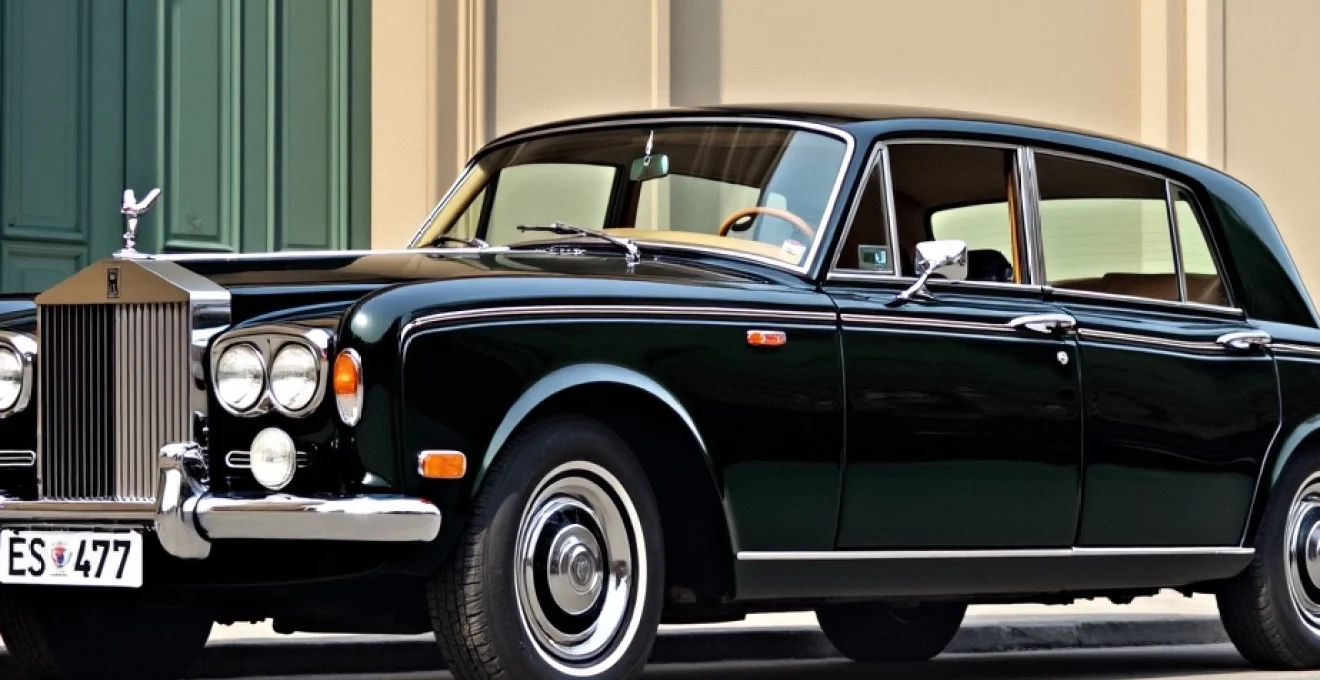
The Rolls-Royce Silver Shadow stands as one of the most significant luxury automobiles ever produced, representing a revolutionary departure from traditional coachbuilding techniques when it debuted in 1965. This groundbreaking model introduced monocoque construction to the Rolls-Royce lineup, replacing the separate chassis approach that had defined the marque for decades. With over 30,000 examples produced during its fifteen-year production run, the Silver Shadow remains the best-selling Rolls-Royce of all time, making it an accessible entry point into classic luxury car ownership. However, prospective buyers must navigate a complex landscape of mechanical systems, potential restoration costs, and market variations to secure a worthy example of this automotive icon.
Silver shadow production years and model variants analysis
Understanding the evolutionary timeline of Silver Shadow production proves essential for making informed purchasing decisions. The model underwent continuous refinement throughout its production cycle, with significant mechanical and aesthetic updates marking distinct phases of development. Early production models from 1965-1969 featured the original 6.2-litre V8 engine paired with a four-speed automatic transmission for UK market vehicles, while export models received the more robust three-speed GM Turbo-Hydramatic from the outset.
Series I vs series II specification differences
The Series I Silver Shadow, produced from 1965 to 1977, established the fundamental character of the model with its innovative hydropneumatic suspension system and refined interior appointments. These vehicles featured chrome bumpers, traditional recirculating ball steering, and relatively simple electronic systems. The transition to 6.75-litre displacement in 1970 marked a crucial evolution, providing improved torque delivery and enhanced refinement without sacrificing the model’s characteristic smooth power delivery.
Series II models, introduced in 1977, brought substantial mechanical improvements including rack-and-pinion steering for enhanced precision and rubber-faced energy-absorbing bumpers for improved safety compliance. The revised dashboard layout provided better ergonomics, while suspension modifications reduced body roll and improved handling dynamics. These later models also benefited from electronic ignition systems and improved emission control equipment, making them more suitable for modern driving conditions.
Silver wraith II platform sharing considerations
The long-wheelbase Silver Wraith II shared the fundamental architecture of the standard Silver Shadow while offering an additional four inches of rear passenger space. This variant featured distinctive Everflex vinyl roof coverings and enlarged rear side windows, creating a more limousine-like appearance. Production numbers remained significantly lower than the standard model, with only 2,135 examples manufactured, contributing to their current market premium and collector appeal.
Corniche convertible variant Cross-Shopping
While mechanically similar to the Silver Shadow, the Corniche convertible represents a distinct market segment with substantially different pricing dynamics. These hand-built models commanded premium prices when new and continue to demonstrate strong value retention. The convertible’s complex soft-top mechanism and specialised body reinforcements create unique maintenance considerations that potential buyers must factor into their purchasing calculations.
Limited edition commemorative models identification
Several special variants emerged during the Silver Shadow’s production run, including the Mulliner Park Ward coachbuilt models and regional market specifications. These limited production vehicles often featured unique trim combinations, special paint colours, or enhanced equipment levels. Identifying authentic limited editions requires careful examination of build records and specification sheets, as some modifications may have been dealer-installed rather than factory-authorised.
L410 V8 engine assessment and common failure points
The aluminium L-series V8 engine represents one of the most durable powerplants in automotive history, with properly maintained examples regularly exceeding 200,000 miles of service. However, this longevity depends entirely on adherence to Rolls-Royce’s strict maintenance schedules and the use of correct specifications for fluids and components. Engine block corrosion remains the most serious potential concern , typically resulting from inadequate anti-freeze concentration or the use of incorrect coolant formulations over extended periods.
The L-series V8’s robust construction makes it virtually indestructible when properly maintained, but neglect can result in catastrophic failures that may exceed the vehicle’s total value.
Hydraulic tappet system maintenance requirements
The Silver Shadow’s hydraulic tappet system requires regular attention to maintain quiet operation and prevent premature wear. Cold-start tappet noise is considered normal and should subside within minutes of reaching operating temperature. Persistent tapping indicates worn components that require replacement, with genuine Rolls-Royce tappets costing approximately £1,500 per set. Generic alternatives often prove inadequate for the demanding service requirements, making proper specification critical for long-term reliability.
SU carburettor configuration and tuning issues
Twin SU HIF7 carburettors fuel all Silver Shadow engines, requiring periodic adjustment to maintain optimal performance and fuel economy. These units are relatively straightforward to service but demand precise calibration to prevent lean running conditions that can damage pistons and valves. Aftermarket electronic ignition systems can improve reliability over the original contact-breaker setup, though installation must respect the engine’s specific timing requirements.
Cooling system radiator and water pump vulnerabilities
The cooling system’s copper-brass radiator construction provides excellent heat dissipation but requires protection from electrolytic corrosion through proper coolant maintenance. Water pump failures typically announce themselves through coolant leaks at the front of the engine, necessitating replacement of both the pump assembly and associated seals. Regular coolant changes using the correct ICI/Castrol specification prevent liner contraction that can lead to catastrophic engine seizure.
Oil leak patterns around timing chain cover
Rear main seal leakage affects early 6.2-litre engines more frequently than later 6.75-litre units, which received improved sealing technology. Front timing cover leaks often indicate worn gaskets or loose mounting bolts, both relatively inexpensive to remedy. However, oil leaks should never be ignored, as the aluminium engine components can suffer permanent damage from prolonged exposure to oil-contaminated environments.
Hydropneumatic suspension system evaluation
The Silver Shadow’s revolutionary hydropneumatic suspension system, licensed from Citroën, provides the model’s characteristic ride quality while presenting unique maintenance challenges. This high-pressure hydraulic network operates at approximately 2,500 PSI and requires specialised knowledge for proper service and repair. The system’s complexity means that seemingly minor leaks can escalate into expensive repairs if not addressed promptly, making thorough inspection essential during the purchasing process.
Understanding the hydropneumatic system’s operation is crucial for Silver Shadow ownership, as improper maintenance can result in repair costs exceeding the vehicle’s purchase price.
Citroën-derived height control valve operation
The height control valve maintains proper ride height by monitoring rear axle position and adjusting hydraulic pressure accordingly. Failure symptoms include sagging rear suspension, uneven vehicle stance, or inability to maintain proper ground clearance. Replacement valves are available from Citroën specialists at significantly lower cost than Rolls-Royce dealers, though installation requires precise adjustment to prevent over-correction or system hunting.
Accumulator sphere pressure testing procedures
Nitrogen-charged accumulator spheres store system pressure and smooth out hydraulic pulsations, with proper pressure being critical for optimal performance. Testing requires specialised equipment capable of measuring nitrogen pressure while the sphere remains installed. Spheres typically require replacement every 10-15 years regardless of mileage, with aftermarket units from specialist suppliers offering substantial cost savings over factory components.
Levelling strut seal replacement costs
Hydraulic strut seals represent a wear item that eventually requires replacement on all Silver Shadow vehicles. External leakage is immediately visible, while internal seal failure may only become apparent through reduced ride quality or system pressure loss. Professional replacement typically costs £300-500 per strut, though the work can be performed by competent enthusiasts with proper equipment and technical documentation.
Nitrogen charging equipment requirements
Proper system maintenance requires access to nitrogen charging equipment and accurate pressure gauges calibrated for high-pressure operation. Many general automotive service facilities lack the necessary tools and expertise, making relationship with a knowledgeable specialist essential. DIY maintenance is possible but requires significant investment in proper equipment and thorough understanding of safety procedures when working with high-pressure systems.
Body shell corrosion inspection protocol
The Silver Shadow’s monocoque construction eliminates the separate chassis but creates specific corrosion patterns that potential buyers must carefully evaluate. Rust typically develops in predictable locations, including sill ends, wheelarch lips, and suspension mounting points. The aluminium doors, bonnet, and boot lid resist corrosion but can suffer from electrolytic action where steel fixtures attach, creating localised damage that may require specialised repair techniques.
Structural integrity assessment requires careful examination of load-bearing areas, particularly the rear spring seats and front suspension mountings. Professional inspection may reveal hidden damage from previous accidents or long-term water ingress that compromises safety and roadworthiness. The cost of proper bodywork restoration often exceeds £15,000 for comprehensive repairs, making thorough pre-purchase inspection absolutely critical.
Paint quality varies enormously across the Silver Shadow market, with many vehicles having received multiple repaints of varying standards. Original factory finish is extremely rare and commands premium values when discovered. Poor-quality paintwork not only affects aesthetics but may conceal bodywork problems that will require expensive correction. Professional paint assessment can reveal the extent of previous bodywork and help predict future maintenance requirements.
Vinyl roof coverings, fitted to many Silver Shadows, can hide significant corrosion around screen apertures and roof joints. These areas are particularly vulnerable to water ingress, with damage often extending into the interior and affecting expensive trim components. Removal of vinyl roofing for inspection may be necessary to assess true condition, though this process itself can cause damage if not performed carefully.
Electrical system troubleshooting and lucas component reliability
The Silver Shadow’s electrical systems reflect 1960s technology with later additions to meet evolving regulatory requirements and customer expectations. Lucas components dominate the electrical architecture, with their characteristic reliability challenges requiring patient troubleshooting and systematic diagnosis. Window mechanisms, central locking systems, and climate control represent common failure points that can prove expensive to rectify properly.
Air conditioning systems fitted to Silver Shadows utilise Harrison A6 compressors that provide effective cooling when properly maintained but suffer from component unavailability when major repairs become necessary. Complete system rebuilds can exceed £3,000 , making functional air conditioning a significant value factor. Conversion to modern refrigerants may be possible but requires careful consideration of component compatibility and system modifications.
Instrument cluster issues typically stem from failing voltage stabilisers or corroded connections rather than gauge failures themselves. The complex wiring harnesses used throughout Silver Shadows can suffer from age-related deterioration, particularly in areas exposed to heat or moisture. Modern diagnostic techniques may not be applicable to these vintage systems, requiring traditional electrical troubleshooting skills and specialised test equipment.
Electronic ignition retrofits can improve reliability and starting performance while reducing maintenance requirements. Several aftermarket systems are available, though installation must be performed carefully to avoid interference with other electrical systems. The original contact-breaker ignition systems work reliably when properly maintained but require more frequent adjustment and component replacement than modern alternatives.
Market valuation and investment potential assessment
Current Silver Shadow market values reflect a complex interplay of condition, provenance, and specification, with prices ranging from £5,000 for project vehicles to over £30,000 for exceptional examples. The substantial spread between poor and excellent examples underscores the importance of condition assessment, as restoration costs can easily exceed purchase prices for neglected vehicles. Investment potential remains strong for properly maintained examples , particularly Series II models with desirable specifications and documented maintenance histories.
Regional market variations affect pricing significantly, with UK values generally higher than Continental European markets but lower than certain international destinations. Import/export considerations, including compliance requirements and transportation costs, can affect total acquisition costs substantially. Currency fluctuations and changing international regulations continue to influence cross-border transactions and long-term value projections.
The Silver Shadow’s position as the best-selling Rolls-Royce ensures reasonable parts availability and specialist support, though certain components remain expensive or difficult to source. This practical consideration affects both ownership costs and long-term viability, making the Silver Shadow more accessible than rarer Rolls-Royce models. Specialist knowledge networks and owner clubs provide valuable resources for technical support and parts sourcing that can significantly reduce ownership challenges.
Future market trends suggest continued appreciation for well-maintained examples as production cars from the 1960s and 1970s gain classic status. The Silver Shadow’s historical significance and accessible pricing make it an attractive proposition for collectors seeking authentic luxury car experiences without the extreme costs associated with earlier Rolls-Royce models. However, market performance ultimately depends on individual vehicle condition and the owner’s commitment to proper maintenance and preservation.