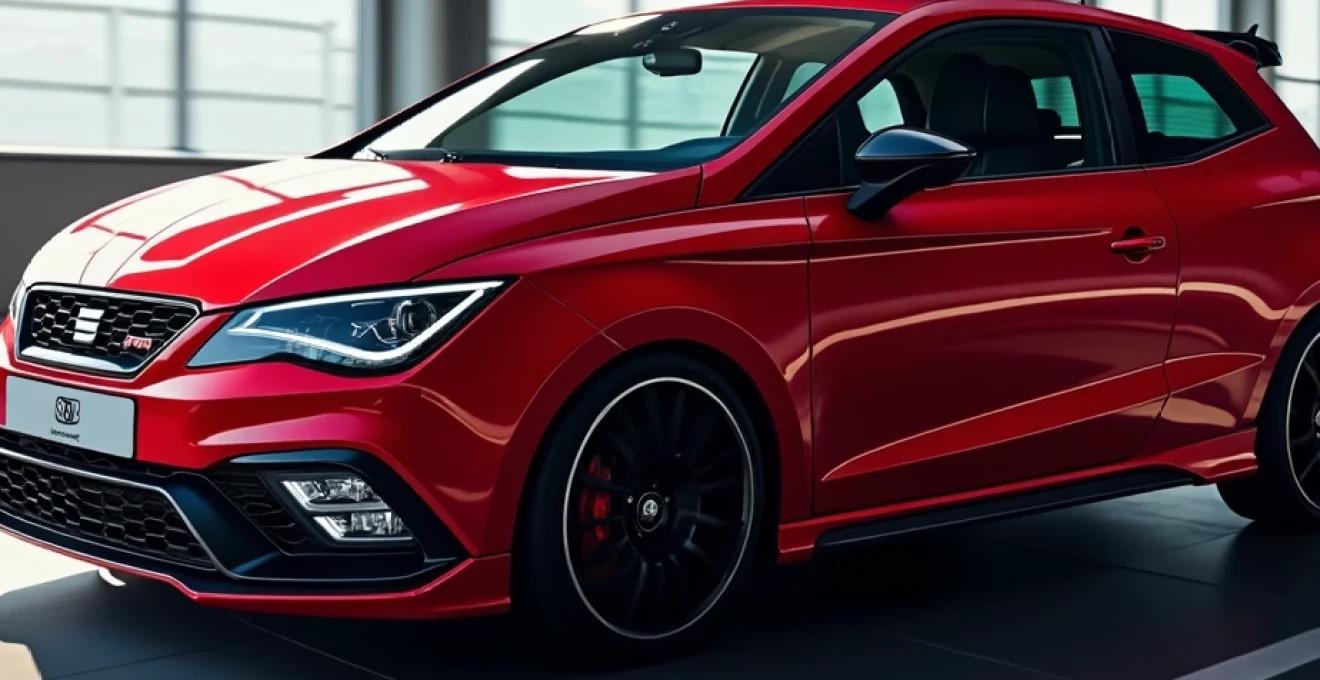
The SEAT Ibiza Formula Sport represents a compelling chapter in the Spanish manufacturer’s pursuit of performance-oriented compact cars during the mid-2000s. Built on the solid foundation of the fourth-generation Ibiza platform, this limited-edition variant emerged as SEAT’s answer to the growing demand for hot hatchbacks that could deliver genuine sporting credentials without compromising everyday usability. The Formula Sport badge signified SEAT’s commitment to motorsport heritage, drawing inspiration from the brand’s involvement in various racing series and translating that DNA into a road-going performance machine that enthusiasts could appreciate.
Distinguished by its aggressive styling cues and enhanced mechanical components, the Formula Sport occupied a unique position in SEAT’s lineup during its production run. This model bridged the gap between the standard Ibiza variants and the flagship Cupra models, offering drivers a taste of genuine performance without the premium pricing typically associated with range-topping variants. The Formula Sport’s development coincided with a period when European manufacturers were increasingly focused on creating affordable performance cars that could capture the imagination of younger buyers seeking driving excitement on a realistic budget.
SEAT ibiza formula sport technical specifications and engine performance
The foundation of the Formula Sport’s appeal rested firmly on its technical specifications, which represented a significant departure from the standard Ibiza offerings. The model featured a carefully orchestrated combination of powertrain enhancements, chassis modifications, and aerodynamic improvements that collectively transformed the character of the base vehicle. These technical upgrades were implemented with meticulous attention to maintaining the reliability and daily usability that made the Ibiza platform so successful across European markets.
1.8-litre 20V turbocharged engine configuration
At the heart of the Formula Sport lay a sophisticated 1.8-litre turbocharged engine featuring a 20-valve configuration that delivered exceptional performance characteristics. This powerplant utilised advanced engine management systems and precision-engineered components to extract maximum efficiency from its displacement. The turbocharger implementation provided substantial torque delivery across a broad rev range, ensuring responsive acceleration whether navigating urban environments or exploiting open road opportunities.
The engine’s construction incorporated lightweight materials and optimised internal components that contributed to both performance and durability. Variable valve timing technology enhanced the powerplant’s ability to adapt to different driving conditions, providing smooth idle characteristics at low speeds while unleashing impressive power output when demanded. This engineering approach demonstrated SEAT’s commitment to developing engines that could satisfy both performance enthusiasts and practical daily drivers.
180 BHP power output and torque delivery characteristics
The Formula Sport’s impressive 180 BHP output positioned it among the most potent compact cars available during its production period. This power figure represented a substantial increase over standard Ibiza variants, achieved through careful calibration of the turbocharger system and engine management parameters. The torque delivery characteristics were equally impressive, with peak torque available from relatively low engine speeds, ensuring strong acceleration from standing starts and effective overtaking capability.
Power delivery exhibited a progressive character that allowed drivers to exploit the engine’s capabilities without experiencing overwhelming surge or unpredictable behaviour. The torque curve remained relatively flat across the mid-range, providing consistent performance across various driving scenarios. This power characteristic made the Formula Sport particularly effective in real-world driving conditions where sustained high-rev operation wasn’t always practical or desirable.
Six-speed manual transmission integration
The Formula Sport featured a precisely calibrated six-speed manual transmission that perfectly complemented the turbocharged engine’s power characteristics. Each gear ratio was carefully selected to maximise acceleration potential while maintaining cruising efficiency at highway speeds. The transmission’s construction incorporated strengthened components capable of handling the increased torque output without compromising long-term reliability or shifting precision.
Gear changes exhibited the crisp, mechanical feel that driving enthusiasts appreciated, with well-defined gate positions and positive engagement across all ratios. The clutch system was specifically tuned to provide appropriate pedal feel while managing the engine’s torque output effectively. This transmission setup allowed drivers to fully exploit the engine’s performance potential while maintaining the engaging, interactive driving experience that manual transmissions traditionally provided.
Sport-tuned suspension setup with lowered ride height
The Formula Sport’s suspension system received comprehensive modifications to enhance handling dynamics while maintaining acceptable ride quality for daily use. The lowered ride height not only contributed to the model’s aggressive visual stance but also improved the centre of gravity, reducing body roll during cornering manoeuvres. Spring rates were carefully calibrated to provide appropriate support for spirited driving while avoiding the harshness that could compromise comfort during extended journeys.
Damper tuning represented a careful balance between control and compliance, ensuring that the suspension could manage both smooth road surfaces and more challenging terrain effectively. The suspension geometry was optimised to maintain proper wheel alignment under various loading conditions, contributing to consistent handling characteristics and predictable behaviour at the limits of adhesion.
Brembo braking system performance analysis
The Formula Sport’s braking system incorporated high-performance Brembo components that provided exceptional stopping power and fade resistance during demanding driving conditions. The larger disc diameter and enhanced caliper design delivered improved thermal capacity, essential for maintaining consistent performance during extended periods of hard driving. The brake system’s progressive feel allowed precise modulation of stopping force, contributing to driver confidence and control.
Brake pad compounds were specifically selected to provide optimal performance across various temperature ranges while minimising dust generation during normal driving. The system’s design incorporated proper ventilation to manage heat dissipation effectively, ensuring consistent performance even under challenging conditions. This braking setup represented a significant upgrade over standard Ibiza variants and demonstrated SEAT’s commitment to providing comprehensive performance enhancements.
Exterior design elements and aerodynamic package
The Formula Sport’s exterior design represented a masterful evolution of the standard Ibiza’s styling, incorporating purposeful aerodynamic elements that enhanced both visual impact and functional performance. Every exterior modification served a specific purpose, whether improving airflow management, reducing lift, or simply communicating the model’s performance intentions to observers. The design team successfully balanced aggressive sporting cues with the elegant proportions that made the fourth-generation Ibiza platform so visually appealing.
Formula sport body kit components and front splitter
The comprehensive body kit distinguished the Formula Sport from standard Ibiza variants through carefully designed components that enhanced aerodynamic efficiency while creating a more aggressive visual presence. The front splitter represented a particularly effective element, directing airflow beneath the vehicle while reducing front-end lift at higher speeds. This component’s design incorporated practical considerations such as ground clearance and approach angles to ensure usability in various driving environments.
Each body kit component underwent extensive development to ensure proper integration with the vehicle’s existing lines while providing measurable aerodynamic benefits. The materials selection prioritised durability and resistance to impact damage, recognising that these vehicles would likely experience enthusiastic driving conditions where contact with road debris or parking obstacles might occur.
17-inch alloy wheel specifications and tyre configuration
The Formula Sport featured distinctive 17-inch alloy wheels that perfectly complemented the model’s sporting character while providing the foundation for enhanced handling performance. These wheels incorporated lightweight construction techniques that reduced unsprung weight, contributing to improved suspension response and overall handling dynamics. The wheel design featured aggressive styling that visually filled the wheel arches while maintaining appropriate spoke thickness for structural integrity.
The tyre specification utilised high-performance compounds and construction techniques that provided excellent grip levels across various road conditions. The sizing was carefully optimised to provide appropriate contact patch dimensions while maintaining acceptable ride characteristics. This wheel and tyre combination represented a significant upgrade over standard Ibiza fitments and contributed substantially to the Formula Sport’s enhanced dynamic capabilities.
Rear spoiler design and aerodynamic efficiency
The rear spoiler represented both a visual highlight and a functional aerodynamic component that contributed to the Formula Sport’s high-speed stability characteristics. The spoiler’s profile was developed through wind tunnel testing to provide optimal downforce generation while minimising drag penalties. The mounting system incorporated robust attachment points that could withstand the aerodynamic loads generated during high-speed driving without compromising structural integrity.
The spoiler’s integration with the overall vehicle design created a cohesive visual statement that reinforced the model’s performance intentions. The component’s construction utilised materials that matched the vehicle’s paint finish while providing resistance to weathering and UV degradation over extended service life.
Side skirt integration and ground effect optimisation
The side skirts represented crucial components in the Formula Sport’s aerodynamic package, managing airflow along the vehicle’s flanks while contributing to the ground effect optimisation that enhanced overall stability. These components were designed to seal the area between the front and rear wheel arches, preventing turbulent air from disrupting the smooth airflow beneath the vehicle. The side skirts’ profile complemented the body kit’s overall design theme while providing measurable aerodynamic benefits.
The installation system ensured secure attachment while allowing for necessary flexibility to accommodate the vehicle’s normal chassis movements during driving. The side skirts’ construction prioritised impact resistance and repairability, recognising that these components were particularly vulnerable to damage from road debris or parking incidents.
Interior features and cockpit ergonomics
The Formula Sport’s interior represented a carefully considered blend of sporting elements and practical functionality that reflected SEAT’s understanding of driver requirements in the performance compact segment. The cabin incorporated specific design elements and material selections that reinforced the model’s sporting character while maintaining the comfort and usability expected from a daily-driven vehicle. Every interior component was evaluated for its contribution to the overall driving experience, ensuring that form and function worked together harmoniously.
The seating configuration featured sport-oriented designs that provided enhanced lateral support during cornering manoeuvres while maintaining comfort during extended driving periods. The seat materials incorporated durable fabrics and construction techniques that could withstand the increased wear associated with enthusiastic driving. Ergonomic considerations ensured that drivers of various sizes could achieve optimal driving positions with appropriate reach to all primary controls.
Instrumentation received specific attention to provide clear, easily readable information during all driving conditions. The gauge cluster incorporated additional information displays relevant to the Formula Sport’s enhanced performance capabilities, including boost pressure readings and enhanced engine parameter monitoring. The steering wheel design prioritised grip and control precision while incorporating necessary switchgear in easily accessible positions.
Interior trim elements utilised materials and finishes that communicated quality and sporting intent without appearing overly flashy or inappropriate for daily use. The cabin’s overall design maintained the practical storage solutions and user-friendly layout that made the Ibiza platform so successful while incorporating distinctive touches that identified the Formula Sport variant. Climate control systems and audio equipment were integrated seamlessly with the sporting interior theme while maintaining full functionality.
The Formula Sport’s interior struck an impressive balance between sporting aggression and everyday practicality, creating an environment that enhanced the driving experience without sacrificing usability or comfort during routine transportation duties.
Market positioning against peugeot 206 GTI and ford fiesta ST
The Formula Sport entered a highly competitive market segment where established players like the Peugeot 206 GTI and Ford Fiesta ST had already carved out significant market share among performance-oriented compact car buyers. SEAT’s challenge involved positioning the Formula Sport as a credible alternative that could offer unique advantages while matching the performance expectations established by these benchmark vehicles. The Spanish manufacturer’s approach focused on delivering superior value while incorporating distinctive design elements that would appeal to buyers seeking something different from the mainstream options.
Compared to the Peugeot 206 GTI, the Formula Sport offered more modern engine technology and superior interior space utilisation, key advantages that resonated with practical buyers who needed daily usability alongside weekend performance. The SEAT’s turbocharged engine configuration provided different power delivery characteristics than the naturally aspirated French alternative, offering stronger mid-range torque that proved more effective in real-world driving conditions. This technical advantage translated into superior overtaking capability and more flexible performance across various driving scenarios.
Against the Ford Fiesta ST, the Formula Sport competed with a more mature platform that offered superior refinement and build quality, factors that became increasingly important as buyers considered long-term ownership costs and reliability. The SEAT’s interior packaging provided more passenger space and luggage capacity, addressing practical concerns that often influenced purchase decisions in this segment. The Formula Sport’s pricing strategy typically positioned it as a value alternative to the Ford, offering comparable performance at a more accessible price point.
The Formula Sport’s unique selling proposition rested on its combination of distinctive European styling , competitive performance specifications, and superior value proposition compared to established rivals. SEAT’s motorsport heritage and connection to the Volkswagen Group provided credibility that helped overcome initial scepticism about the brand’s performance credentials. This positioning strategy proved particularly effective in markets where buyers appreciated European engineering and design sophistication at accessible price points.
In the fiercely competitive hot hatchback segment, the Formula Sport carved out a distinctive niche by offering genuine performance credentials wrapped in sophisticated European styling, appealing to buyers who wanted something different from the usual suspects.
Production timeline and manufacturing specifications
The Formula Sport’s production timeline reflected SEAT’s strategic approach to developing limited-edition performance variants that could generate enthusiasm for the brand while testing market acceptance for future high-performance models. Manufacturing commenced during a period when the automotive industry was experiencing significant technological advancement, allowing SEAT to incorporate relatively sophisticated features at competitive price points. The production run was carefully planned to maintain exclusivity while achieving sufficient volume to justify the development investment.
Manufacturing specifications incorporated stringent quality control procedures that ensured each Formula Sport met the enhanced performance and reliability standards required for this market segment. The assembly process required additional attention to detail during engine installation and suspension setup procedures, reflecting the more complex specifications compared to standard Ibiza variants. Quality assurance protocols included extended road testing procedures that verified performance parameters and overall system integration before vehicle delivery.
The production facility utilised advanced manufacturing techniques that enabled efficient assembly while maintaining the flexibility necessary for limited-production variants. Component sourcing strategies balanced cost considerations with quality requirements, ensuring that suppliers could meet the enhanced specifications required for performance applications. The manufacturing team received specialised training to handle the unique requirements associated with turbocharged engine assembly and sport suspension installation procedures.
Production planning incorporated lessons learned from previous SEAT performance models, applying this knowledge to optimise manufacturing efficiency while maintaining quality standards. The supply chain management approach prioritised reliability and consistency, recognising that any production delays or quality issues could significantly impact the model’s market reception. Final inspection procedures included comprehensive performance verification testing that ensured each vehicle met the specified performance targets before customer delivery.
The Formula Sport’s manufacturing legacy contributed valuable experience that influenced subsequent SEAT performance model development, providing insights into efficient production techniques and quality assurance procedures that could be applied to future projects. This knowledge transfer ensured that the lessons learned during Formula Sport production would benefit the broader SEAT performance vehicle programme, establishing a foundation for continued development in this market segment. The model’s production success demonstrated SEAT’s capability to deliver sophisticated performance vehicles that could compete effectively against established European rivals while maintaining the brand’s reputation for value-oriented excellence .