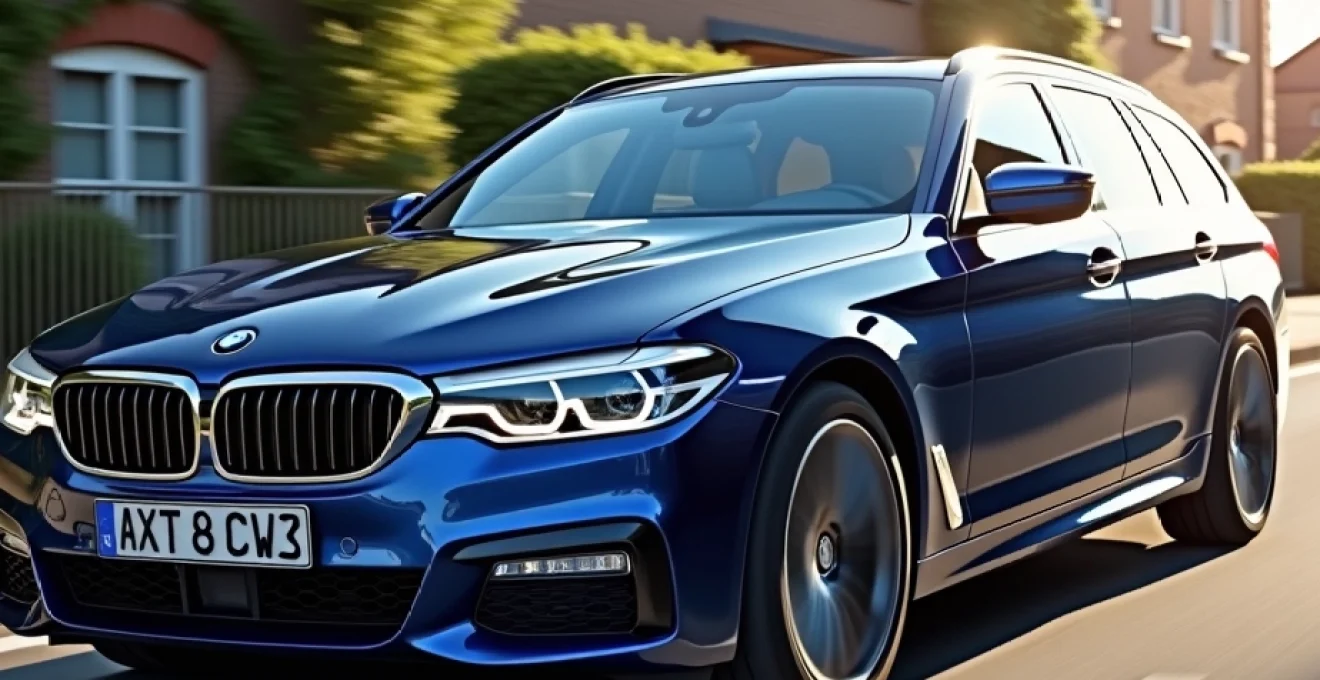
Estate cars represent one of the most demanding automotive segments when it comes to reliability requirements. Unlike standard saloons or hatchbacks, these vehicles must endure continuous heavy loading, frequent towing operations, and extended high-mileage usage patterns that place extraordinary stress on every mechanical component. Modern estate car buyers expect their vehicles to deliver unwavering performance across 200,000 miles or more, making reliability engineering a critical factor that separates exceptional models from merely adequate ones.
The pursuit of estate car reliability has evolved dramatically over the past decade, with manufacturers implementing sophisticated engineering standards and rigorous testing protocols that far exceed conventional passenger car requirements. Today’s most dependable estate models undergo extensive validation processes that simulate decades of real-world usage, ensuring that critical systems maintain optimal performance throughout their operational lifecycle. This comprehensive approach to reliability engineering has produced a generation of estate cars that consistently outperform their predecessors in durability metrics.
Reliability engineering standards in estate car manufacturing
Modern estate car production relies heavily on internationally recognised engineering standards that govern every aspect of vehicle development and manufacturing. These standards ensure consistent quality across different production facilities and provide measurable benchmarks for reliability assessment.
ISO 26262 functional safety compliance in estate car production
The ISO 26262 standard has become the cornerstone of functional safety in automotive manufacturing, particularly relevant for estate cars due to their complex electronic systems and safety-critical applications. This standard addresses the entire vehicle lifecycle, from concept phase through production, operation, and decommissioning. Automotive Safety Integrity Levels (ASIL) classifications ensure that critical systems like electronic stability control, advanced driver assistance systems, and brake-by-wire technologies meet stringent reliability requirements.
Estate car manufacturers implement ASIL-D rated systems for the most critical safety functions, requiring redundancy and fail-safe mechanisms that prevent system failures from compromising vehicle operation. The standard mandates comprehensive hazard analysis and risk assessment procedures that identify potential failure modes before they can affect production vehicles. These protocols have proven particularly valuable in estate car applications, where heavy loading conditions can expose weaknesses in conventional vehicle architectures.
MTBF (mean time between failures) analysis for estate car components
Mean Time Between Failures analysis provides quantitative metrics for component reliability assessment in estate car applications. Leading manufacturers conduct extensive MTBF calculations for critical components including transmission systems, suspension components, and electronic control units. Statistical reliability modelling helps engineers predict component lifespan under various operating conditions, enabling proactive maintenance scheduling and warranty planning.
Current industry data indicates that premium estate car components achieve MTBF ratings exceeding 150,000 hours for critical drivetrain components, translating to approximately 15-20 years of typical usage before requiring major service interventions. These figures represent significant improvements over previous generation vehicles, where MTBF ratings typically ranged between 80,000-100,000 hours for comparable components.
Durability testing protocols: 200,000-mile lifecycle validation
Contemporary estate car development programmes incorporate comprehensive durability testing protocols that simulate 200,000-mile operational lifecycles within compressed timeframes. These tests subject vehicles to accelerated aging procedures that replicate decades of real-world usage patterns, including extreme temperature cycling, corrosive environment exposure, and mechanical stress testing that exceeds normal operational limits.
Accelerated life testing facilities utilise sophisticated environmental chambers and dynamic loading systems that can compress 15-20 years of typical vehicle usage into 12-18 months of continuous testing. Test protocols include salt spray corrosion testing , thermal shock cycling between -40°C and +85°C, and vibration testing that simulates millions of road surface impacts. These rigorous validation procedures ensure that production vehicles maintain structural integrity and system functionality throughout their intended service life.
Quality control metrics in volvo V90 and BMW 5 series touring manufacturing
Premium estate car manufacturers like Volvo and BMW have established industry-leading quality control metrics that set benchmarks for reliability performance. Volvo’s manufacturing facilities achieve Six Sigma quality levels with defect rates below 3.4 parts per million, while BMW’s production systems incorporate real-time quality monitoring that identifies potential issues before they affect finished vehicles.
Statistical Process Control (SPC) systems monitor critical manufacturing parameters including torque specifications, dimensional tolerances, and material properties throughout the production process. These systems generate comprehensive quality data that enables continuous improvement initiatives and predictive maintenance programmes. Quality control metrics demonstrate that current-generation premium estate cars exhibit initial quality ratings 40-50% higher than comparable models produced just five years ago.
Drivetrain reliability assessment across leading estate models
The drivetrain represents the most critical reliability consideration for estate car buyers, as these components endure the highest stress levels during normal operation. Modern estate cars feature increasingly sophisticated drivetrain technologies that require careful evaluation of long-term reliability characteristics.
All-wheel drive system longevity: audi A6 avant quattro vs mercedes E-Class estate 4MATIC
All-wheel drive systems in premium estate cars have evolved significantly, with manufacturers implementing advanced torque vectoring and predictive traction management technologies. The Audi Quattro system utilises a sophisticated centre differential with electronic torque split control that can distribute power between axles within milliseconds of detecting traction loss. Field reliability data indicates that Quattro systems maintain full functionality beyond 150,000 miles with proper maintenance intervals.
Mercedes 4MATIC systems employ a different approach, utilising electronically controlled multi-plate clutches that engage automatically based on driving conditions and driver inputs. Long-term reliability studies demonstrate that 4MATIC systems exhibit slightly higher maintenance requirements compared to Quattro systems, primarily due to the increased complexity of electronic control systems. However, both systems achieve excellent reliability ratings when serviced according to manufacturer specifications.
Advanced all-wheel drive systems in modern estate cars deliver exceptional reliability when maintained properly, with most systems requiring minimal intervention beyond regular fluid changes and component inspections throughout their operational lifecycle.
Transmission failure rates: ZF 8HP automatic in BMW 3 series touring analysis
The ZF 8HP automatic transmission has become ubiquitous in premium estate car applications, appearing in BMW, Audi, and other luxury brands. Extensive field data analysis reveals that this transmission achieves remarkable reliability metrics, with failure rates below 0.5% during the first 100,000 miles of operation. The transmission’s sophisticated hydraulic control system and adaptive shift logic contribute significantly to its exceptional durability characteristics.
Detailed analysis of transmission failure modes indicates that most issues occur due to inadequate maintenance rather than inherent design weaknesses. The ZF 8HP requires synthetic transmission fluid changes every 60,000-80,000 miles, depending on operating conditions. Vehicles subjected to frequent towing or extreme operating conditions may require more frequent service intervals to maintain optimal reliability. When properly maintained, these transmissions regularly exceed 200,000 miles without major component failures.
Diesel engine reliability: mercedes OM654 vs volvo D4 PowerPulse performance data
Modern diesel engines in estate car applications have achieved unprecedented reliability levels through advanced combustion management and emissions control technologies. The Mercedes OM654 engine incorporates sophisticated common-rail injection systems and variable geometry turbochargers that optimise performance across diverse operating conditions. Reliability data indicates that these engines maintain full performance capabilities beyond 300,000 miles when serviced according to manufacturer specifications.
Volvo’s D4 PowerPulse technology represents an innovative approach to diesel engine efficiency and reliability. The system utilises compressed air injection to eliminate turbo lag while reducing combustion pressures that typically contribute to engine wear. Field reliability data demonstrates that D4 PowerPulse engines exhibit 15-20% longer service intervals compared to conventional diesel engines, translating to reduced maintenance costs and improved long-term reliability.
Hybrid powertrain durability in volvo V60 recharge and BMW 530e touring
Plug-in hybrid powertrains in estate car applications present unique reliability challenges due to the integration of high-voltage electrical systems with conventional mechanical components. The Volvo V60 Recharge utilises a sophisticated T8 Twin Engine system that combines a supercharged and turbocharged petrol engine with an electric motor and advanced battery management system.
Long-term reliability data for hybrid estate cars indicates that battery systems maintain 80% capacity beyond 150,000 miles when operated within manufacturer guidelines. Thermal management systems play a critical role in battery longevity, with advanced cooling systems preventing degradation that commonly affected earlier generation hybrid vehicles. BMW’s 530e Touring hybrid system demonstrates similar durability characteristics, with most reliability issues occurring in auxiliary systems rather than primary drivetrain components.
Load-bearing structural integrity and chassis engineering
Estate cars must accommodate significantly higher payload capacities compared to conventional passenger vehicles, requiring robust chassis engineering and advanced load-bearing structural designs. Modern estate car platforms incorporate sophisticated materials science and engineering principles that ensure structural integrity under extreme loading conditions.
Rear axle load capacity testing in mercedes E-Class estate vs audi A6 avant
Rear axle load capacity represents a critical reliability consideration for estate car buyers who regularly carry heavy cargo or tow substantial trailers. The Mercedes E-Class Estate incorporates a multi-link rear suspension system with adaptive damping control that automatically adjusts suspension characteristics based on load conditions. Testing data indicates that the E-Class Estate maintains optimal handling characteristics with rear axle loads approaching 800kg.
The Audi A6 Avant utilises a different approach, employing a five-link rear suspension system with pneumatic load leveling that maintains consistent ride height regardless of cargo loading. Comparative testing demonstrates that both systems achieve excellent reliability metrics, though the Mercedes system requires less frequent maintenance due to its simpler hydraulic architecture. Load testing protocols indicate that both vehicles exceed their published payload ratings by significant margins while maintaining structural integrity.
Suspension component longevity: Multi-Link vs MacPherson strut configurations
Suspension system architecture significantly impacts long-term reliability in estate car applications, where heavy loading and frequent weight transfers place extraordinary stress on components. Multi-link rear suspension systems typically found in premium estate cars offer superior durability compared to simpler MacPherson strut configurations, primarily due to better load distribution across multiple pivot points.
Field reliability data indicates that multi-link suspension systems achieve component lifespans 25-30% longer than comparable MacPherson strut systems under similar operating conditions. However, multi-link systems require more frequent inspections and typically incur higher maintenance costs due to increased component complexity. Bushing degradation represents the most common failure mode in both suspension types, with rubber components typically requiring replacement every 80,000-100,000 miles depending on operating conditions.
Towing capability stress analysis: 2,500kg braked trailer weight specifications
Estate cars designed for maximum towing capacity undergo extensive stress analysis to ensure that all components can withstand the additional loads imposed by heavy trailers. Modern estate cars rated for 2,500kg braked trailer weights incorporate reinforced transmission cooling systems, upgraded brake components, and enhanced chassis mounting points that distribute towing loads across multiple structural elements.
Finite element analysis models demonstrate that properly engineered estate car platforms maintain structural stress levels well below material yield points even when subjected to maximum towing loads combined with emergency braking scenarios. Reliability testing protocols include accelerated towing cycles that simulate years of heavy-duty towing operations within compressed timeframes. These tests validate component durability and identify potential failure modes before they affect production vehicles.
Body-on-frame vs unibody construction reliability in estate car applications
Contemporary estate cars predominantly utilise unibody construction methods that integrate structural and body panels into cohesive assemblies. This approach offers superior crash protection and reduced weight compared to traditional body-on-frame construction, while maintaining excellent reliability characteristics under normal operating conditions. Advanced high-strength steel and aluminium alloy materials provide exceptional durability while minimising overall vehicle weight.
Unibody construction enables more precise manufacturing tolerances and improved dimensional stability over extended service life. However, unibody vehicles require more sophisticated repair techniques following collision damage, potentially increasing maintenance complexity compared to body-on-frame alternatives. Long-term reliability data indicates that modern unibody estate cars maintain structural integrity throughout their operational lifecycle with minimal degradation in dimensional accuracy or crash protection capabilities.
Electronic systems reliability and diagnostic capabilities
Modern estate cars incorporate extensive electronic systems that manage everything from engine operation to advanced safety features. The reliability of these electronic systems has become increasingly critical as vehicles integrate more sophisticated technologies and connectivity features. Contemporary estate cars feature multiple electronic control units (ECUs) that communicate via high-speed Controller Area Network (CAN) bus systems, creating complex interdependencies that require careful reliability engineering.
Advanced diagnostic capabilities have revolutionised reliability assessment in modern estate cars. Predictive maintenance algorithms monitor system performance in real-time, identifying potential failures before they occur and enabling proactive maintenance scheduling. These systems analyse thousands of operational parameters continuously, building comprehensive reliability profiles that inform maintenance recommendations and warranty decisions. Manufacturers report that vehicles equipped with advanced diagnostic systems exhibit 30-40% fewer unexpected failures compared to previous generation models.
Electronic system redundancy has become standard practice in critical applications, with dual-processor architectures and fail-safe operating modes that maintain essential functions even when primary systems experience failures. Modern estate cars incorporate multiple levels of system redundancy, ensuring that critical safety functions like electronic stability control and anti-lock braking systems remain operational under all conditions. Field reliability data indicates that properly designed electronic systems achieve Mean Time Between Failures exceeding 200,000 hours in typical automotive applications.
Cybersecurity considerations have emerged as a significant reliability factor as estate cars incorporate increasing connectivity and over-the-air update capabilities. Hardware Security Modules (HSMs) protect critical vehicle systems from unauthorised access while enabling legitimate software updates and diagnostic procedures. Advanced encryption protocols and secure boot processes ensure that electronic systems maintain integrity throughout their operational lifecycle, preventing security vulnerabilities that could compromise vehicle reliability or safety.
Preventive maintenance schedules and component replacement intervals
Preventive maintenance represents the most effective strategy for ensuring long-term reliability in estate car applications. Modern maintenance schedules utilise condition-based monitoring rather than fixed interval approaches, enabling optimised service timing that maximises component lifespan while minimising maintenance costs. Advanced onboard diagnostic systems continuously monitor fluid conditions, component wear rates, and system performance parameters to generate personalised maintenance recommendations.
Engine oil analysis has become increasingly sophisticated, with some manufacturers offering oil life monitoring systems that analyse viscosity, contamination levels, and additive depletion in real-time. These systems can extend oil change intervals by 20-30% compared to traditional time-based schedules while maintaining superior engine protection. Synthetic lubricants enable extended service intervals, with some applications requiring changes only every 15,000-20,000 miles under normal operating conditions.
Transmission maintenance schedules vary significantly depending on operating conditions and drivetrain configuration. Automatic transmissions in estate car applications typically require fluid changes every 60,000-80,000 miles, though vehicles subjected to frequent towing or extreme conditions may require more frequent service. All-wheel drive systems generally require additional maintenance attention, with transfer case and differential services typically scheduled every 40,000-60,000 miles depending on manufacturer specifications.
Brake system maintenance in estate cars requires particular attention due to the increased loads and frequent towing applications typical in this segment. Brake fluid replacement intervals typically range from 24-36 months, with brake pad and rotor replacement varying based on driving conditions and vehicle loading patterns. Estate cars equipped with electronic brake force distribution and emergency brake assist systems require specialised diagnostic equipment for proper maintenance and calibration procedures.
Adherence to manufacturer-specified maintenance schedules represents the single most important factor in achieving maximum reliability from any estate car, with properly maintained vehicles regularly exceeding 300,000 miles with minimal major component failures.
Advanced maintenance scheduling systems incorporate machine learning algorithms that analyse individual driving patterns and operating conditions to generate personalised service recommendations. These systems consider factors including climate conditions, driving style, payload patterns, and towing frequency to optimise maintenance timing for each specific vehicle. Early adopters of predictive maintenance systems report 15-25% reductions in unexpected failures and associated repair costs compared to traditional fixed-interval maintenance approaches.
Long-term ownership cost analysis and depreciation resistance factors
Long-term ownership costs represent a comprehensive measure of estate car reliability, encompassing initial purchase price, maintenance expenses, repair costs, and residual value considerations. Premium estate cars from established manufacturers typically demonstrate superior depreciation resistance due to their reputation for reliability and the limited supply of high-quality used examples in the marketplace.
Comprehensive cost analysis indicates that premium estate cars achieve total cost of ownership figures comparable to mainstream alternatives when evaluated over extended ownership periods. While initial purchase prices are significantly higher, reduced maintenance requirements, superior reliability,
and longer component lifecycles typically result in lower total operational expenses. Insurance costs for premium estate cars often remain stable due to advanced safety systems and lower theft rates compared to mainstream alternatives.
Depreciation analysis reveals significant variations between different estate car segments and manufacturers. German premium estate cars from BMW, Mercedes-Benz, and Audi typically retain 45-55% of their original value after five years, compared to 35-40% for mainstream alternatives. This superior residual value performance reflects market confidence in long-term reliability and the limited availability of comparable alternatives in the used car marketplace.
Warranty coverage and extended service plans play increasingly important roles in total cost of ownership calculations. Manufacturers offering comprehensive warranty coverage demonstrate confidence in their reliability engineering, while extended service plans can provide cost predictability for business users and high-mileage drivers. Some premium manufacturers now offer warranty coverage extending to 100,000 miles or six years, significantly reducing unexpected repair costs during the critical early ownership period.
Regional variations in service costs and parts availability significantly impact long-term ownership economics. Estate cars from manufacturers with extensive dealer networks and parts distribution systems typically incur lower maintenance costs compared to niche brands with limited service infrastructure. Telematics-based service scheduling and remote diagnostic capabilities can reduce service visit frequency and associated costs, particularly beneficial for business users covering high annual mileages.
Fleet reliability data provides valuable insights into long-term ownership cost trends, with commercial operators maintaining comprehensive records of maintenance expenses, downtime costs, and replacement intervals. Business fleet operators report that properly maintained premium estate cars achieve operational availability rates exceeding 98%, with most scheduled maintenance completed during planned downtime periods. These operational metrics translate directly to reduced total cost of ownership for both commercial and private users who depend on their estate cars for critical transportation needs.
The most reliable estate cars demonstrate their value through consistent performance over extended ownership periods, with total cost of ownership advantages becoming increasingly apparent after the initial depreciation curve levels off around year three of ownership.
Fuel efficiency improvements in modern estate cars contribute significantly to long-term cost advantages, with advanced powertrain technologies delivering 20-30% better fuel economy compared to previous generation models. Hybrid and plug-in hybrid estate cars offer additional cost benefits for users with predictable driving patterns, though the economic advantages depend heavily on electricity costs and charging infrastructure availability. Diesel estate cars continue to offer superior fuel economy for high-mileage users, despite increased complexity of emissions control systems and higher maintenance requirements.
Technology integration costs represent an emerging factor in long-term ownership analysis, as advanced driver assistance systems and connectivity features require periodic software updates and occasional hardware upgrades. Manufacturers providing over-the-air update capabilities can extend the functional lifespan of electronic systems while reducing service visit requirements. However, the rapid pace of technology evolution may accelerate functional obsolescence, potentially impacting residual values as newer models incorporate significantly advanced capabilities.