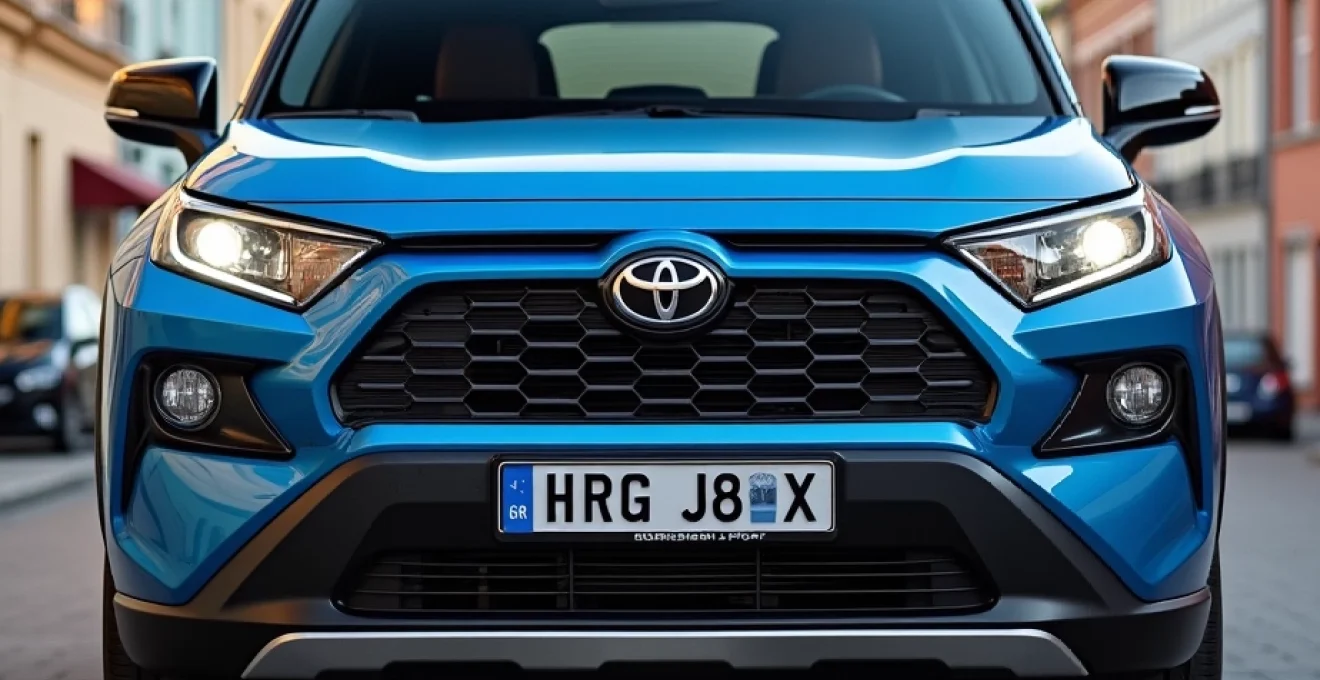
The Toyota RAV4 has evolved significantly from its humble beginnings as a compact SUV pioneer. Today’s sixth-generation model represents a culmination of nearly three decades of refinement, with the GR Sport variant standing as the most performance-oriented iteration in the nameplate’s history. This comprehensive assessment examines how Toyota’s Gazoo Racing division has transformed the practical family SUV into something genuinely engaging to drive, whilst maintaining the efficiency and reliability that made the RAV4 Britain’s best-selling compact SUV.
The GR Sport designation isn’t merely a cosmetic exercise – it represents substantial engineering modifications that differentiate this model from standard RAV4 variants. With 324 system horsepower from its plug-in hybrid powertrain, bespoke suspension tuning, and aerodynamic enhancements, the GR Sport challenges perceptions about what a mainstream SUV can deliver. The question remains whether these performance credentials translate into genuine driving satisfaction without compromising the practicality that defines the RAV4’s appeal.
Toyota RAV4 GR sport engine performance and drivetrain analysis
2.0-litre dynamic force engine specifications and power output
The RAV4 GR Sport utilises Toyota’s refined 2.5-litre Dynamic Force four-cylinder engine, not the 2.0-litre unit initially anticipated. This naturally aspirated powerplant produces 186 horsepower and 172 pound-feet of torque independently, representing a significant advancement over previous-generation RAV4 engines. The Atkinson cycle operation maximises thermal efficiency whilst reducing emissions, achieving a remarkable 41% thermal efficiency rating that places it amongst the most efficient production engines available.
What distinguishes the GR Sport’s engine configuration is the comprehensive structural reinforcement programme implemented by Toyota’s engineers. The engine block utilises enhanced rigidity measures to minimise vibration at source, whilst the transmission housing benefits from similar strengthening modifications. These changes collectively reduce noise, vibration, and harshness characteristics that previously plagued hybrid powertrains, creating a more refined driving experience that better suits the GR Sport’s performance aspirations.
Intelligent AWD-i system configuration and torque distribution
The GR Sport’s all-wheel-drive system represents a sophisticated interpretation of electric torque vectoring technology. The front-mounted electric motor generates 203 horsepower and 201 pound-feet of torque, whilst the rear-axle motor contributes an additional 91 pound-feet of torque. This configuration enables instantaneous torque distribution adjustments, responding to traction demands faster than conventional mechanical systems.
Toyota’s engineers have calibrated the AWD-i system specifically for the GR Sport’s dynamic requirements. The system can shift torque between axles within milliseconds, providing enhanced cornering stability and acceleration traction. During spirited driving, the rear motor actively contributes to vehicle rotation, helping reduce understeer tendencies that typically characterise front-heavy SUVs. This intelligent torque management creates a more balanced, engaging driving experience that justifies the GR Sport’s performance positioning.
CVT transmission response and sport mode calibration
The electronically controlled CVT transmission in the GR Sport receives specific tuning to enhance throttle response and driver engagement. Unlike conventional CVT systems that prioritise efficiency above all else, the GR Sport’s transmission mapping includes simulated gear ratios accessible via paddle shifters. These virtual gear changes provide a more familiar driving experience whilst maintaining the efficiency benefits of continuously variable operation.
Sport mode fundamentally alters the transmission’s behaviour, sharpening throttle response and maintaining higher engine speeds during acceleration phases. The system also modifies regenerative braking characteristics, allowing drivers to use paddle shifters for aggressive energy recovery that simulates engine braking. This dual-purpose functionality enhances both performance driving and efficiency optimisation, demonstrating Toyota’s commitment to balancing seemingly contradictory objectives.
Fuel economy ratings under WLTP testing conditions
Despite its performance credentials, the GR Sport achieves impressive efficiency figures under WLTP testing protocols. The combined fuel economy rating reaches 37 mpg , with city driving returning up to 41 mpg when the hybrid system operates optimally. These figures represent a remarkable achievement for a 324-horsepower SUV, highlighting the effectiveness of Toyota’s sixth-generation hybrid technology.
The 22.7-kilowatt-hour lithium-ion battery pack enables up to 48 miles of electric-only operation , sufficient for most daily commuting requirements. During extended highway driving, the system seamlessly transitions between electric and hybrid modes, maintaining efficiency levels that exceed many conventional engines. The combination of substantial electric range and excellent hybrid efficiency creates a compelling proposition for drivers seeking performance without environmental compromise.
GR sport exterior design elements and aerodynamic enhancements
Front grille mesh pattern and lower bumper styling
The GR Sport’s front fascia represents a dramatic departure from standard RAV4 styling, incorporating design elements that echo Toyota’s World Rally Championship heritage. The hexagonal mesh grille pattern takes inspiration from the GR Corolla, creating visual continuity across Toyota’s performance lineup. The lower air intake spans the full width of the bumper, incorporating functional air curtains that channel airflow around the front wheels to reduce drag.
Vertical LED daytime running lights flank the central grille opening, creating a distinctive lighting signature that immediately identifies the GR Sport variant. These elements aren’t merely decorative – computational fluid dynamics analysis guided their development to optimise airflow whilst maintaining the aggressive aesthetic that defines the GR Sport’s character. The result is a front end that looks purposeful and functions effectively in real-world conditions.
Side skirt extensions and wheel arch cladding treatment
The GR Sport’s side profile benefits from comprehensive aerodynamic modifications that extend beyond visual enhancement. The wheel arch cladding increases track width by 0.8 inches , accommodating the wider stance created by the modified suspension geometry. This additional width isn’t cosmetic – it provides clearance for the enhanced suspension components and contributes to improved stability during cornering maneuvers.
Side skirt extensions create a visual connection between the front and rear aerodynamic elements whilst providing practical airflow management. The extensions help manage air pressure beneath the vehicle, reducing lift at higher speeds and contributing to overall stability. The gloss black finish on all exterior trim creates a cohesive appearance that distinguishes the GR Sport from conventional RAV4 variants without appearing overtly aggressive.
Rear spoiler integration and dual chrome exhaust finishers
The rear spoiler represents one of the GR Sport’s most distinctive visual elements, standing prominently above the rear window to create unmistakable differentiation from standard models. Toyota’s engineers designed the spoiler profile using wind tunnel testing to generate measurable downforce, though specific figures remain undisclosed. The spoiler’s integration with the rear window creates an attractive silhouette that enhances the SUV’s sporting credentials without compromising rear visibility.
Dual chrome exhaust finishers provide the finishing touch to the GR Sport’s rear aesthetic, creating visual balance with the prominent spoiler above. These elements suggest performance capability whilst maintaining the refined appearance expected from a premium SUV variant. The exhaust system itself receives specific tuning to enhance the engine note during acceleration, providing auditory feedback that reinforces the GR Sport’s dynamic character.
19-inch alloy wheel design and tyre specification analysis
The GR Sport’s 20-inch lightweight alloy wheels represent a significant upgrade from standard RAV4 specifications, contributing to both performance and aesthetic improvements. Each wheel weighs approximately five pounds less than comparable standard wheels, reducing unsprung weight to improve suspension response and acceleration. The split five-spoke design provides brake cooling airflow whilst creating an attractive visual connection to other GR-branded vehicles.
Dunlop Sportmaxx summer performance tyres complement the lightweight wheels, providing enhanced grip levels that justify the GR Sport’s dynamic pretensions. These tyres offer superior cornering capabilities compared to all-season alternatives, though they compromise slightly on fuel efficiency and seasonal versatility. The tyre specification demonstrates Toyota’s commitment to prioritising handling performance over maximum efficiency in the GR Sport configuration.
Interior cabin features and GR sport specific appointments
The GR Sport’s interior represents a significant upgrade from standard RAV4 accommodations, incorporating materials and design elements that reinforce the variant’s performance positioning. The heated and ventilated sport seats feature synthetic suede centres with red stitching and piping, providing enhanced lateral support during spirited driving whilst maintaining comfort for extended journeys. The seat construction includes thicker side bolsters that effectively hold occupants in position during cornering maneuvers.
The perforated leather steering wheel addresses one of the standard RAV4’s most significant tactile shortcomings, providing a premium grip surface that feels appropriate for a performance-oriented vehicle. Aluminium pedals replace the standard plastic units, creating a more engaging interface for driver inputs. These modifications collectively transform the cabin atmosphere from purely utilitarian to genuinely sporting, though some hard plastic surfaces remain disappointingly prominent for a vehicle approaching £50,000.
Technology integration includes the comprehensive 12.9-inch central touchscreen running Toyota’s latest infotainment software, representing a substantial improvement over previous-generation systems. The interface supports wireless Apple CarPlay and Android Auto connectivity, whilst cloud-based navigation provides real-time traffic updates and route optimisation. A special GR startup animation reinforces the variant’s unique identity, though this cosmetic touch cannot disguise the system’s occasionally sluggish response times during complex operations.
The GR Sport’s interior successfully balances performance-oriented design elements with practical functionality, creating an environment that feels appropriately special without sacrificing everyday usability.
Suspension tuning and chassis dynamics assessment
The GR Sport’s suspension system receives comprehensive modifications that fundamentally alter the RAV4’s dynamic character. The ride height reduction of 0.6 inches lowers the centre of gravity whilst improving aerodynamic efficiency, contributing to enhanced stability during high-speed maneuvers. The coil springs and damper tuning specifically targets reduced body roll and improved cornering response, transforming the RAV4 from a purely comfort-oriented SUV into something genuinely engaging on challenging roads.
Toyota’s collaboration with the Gazoo Racing division yields tangible improvements in chassis behaviour that extend beyond simple spring rate adjustments. The front performance damper and rear suspension cross-member brace create a more rigid structural foundation that allows the suspension components to operate more effectively. These modifications enable the GR Sport to maintain composure during aggressive cornering whilst preserving ride quality that remains acceptable for daily driving duties.
The steering system receives specific calibration for Sport mode operation, increasing weighting and improving feedback compared to standard RAV4 configurations. The enhanced steering feel doesn’t achieve the precision levels expected from dedicated sports cars, but it provides sufficient communication to inspire confidence during spirited driving. The direct steering response eliminates the vague on-centre feel that characterises many modern SUVs, creating a more connected driving experience that justifies the GR Sport’s performance aspirations.
Body control represents one of the GR Sport’s most impressive achievements, with pitch and dive characteristics virtually eliminated despite the SUV’s inherent height disadvantage. The suspension tuning successfully manages the substantial mass and relatively high centre of gravity, creating handling characteristics that approach those of conventional hatchbacks. This achievement demonstrates sophisticated engineering that transcends simple component upgrades to deliver genuine dynamic improvements.
Safety technology integration and toyota safety sense 2.0 package
The GR Sport benefits from Toyota’s comprehensive Safety Sense 4.0 suite, representing the latest evolution of the manufacturer’s active safety technology. The pre-collision system incorporates enhanced detection capabilities that recognise pedestrians, cyclists, and motorcyclists across various lighting conditions. The system’s improved processing speed enables earlier intervention and more accurate threat assessment, reducing the likelihood of false activations that plagued earlier generations.
Adaptive cruise control functionality extends to stop-and-go traffic situations, maintaining safe following distances whilst reducing driver fatigue during congested conditions. The system integrates with lane-keeping assist to provide semi-autonomous driving capabilities that prove particularly valuable during extended motorway journeys. The 360-degree camera system utilises multiple high-resolution sensors to create a comprehensive view of the vehicle’s surroundings, facilitating parking maneuvers in tight spaces where the GR Sport’s width might otherwise prove challenging.
Front cross-traffic alert represents a particularly valuable addition for urban driving scenarios, detecting vehicles approaching from either side when emerging from parking spaces or side streets. This technology addresses visibility limitations inherent in the RAV4’s design, providing audible and visual warnings that help prevent potentially serious accidents. The system’s integration with the overall safety suite creates overlapping protection layers that significantly enhance occupant security.
The comprehensive safety technology integration demonstrates Toyota’s commitment to protecting occupants whilst maintaining the engaging driving experience that defines the GR Sport variant.
Market positioning against competitors and pricing structure analysis
The RAV4 GR Sport occupies a unique position within the compact SUV segment, combining genuine performance capability with hybrid efficiency in a package that lacks direct competition. Traditional performance SUV alternatives from premium manufacturers typically command significantly higher prices whilst offering inferior fuel economy. The GR Sport’s estimated starting price approaching £50,000 positions it competitively against entry-level premium alternatives whilst delivering substantially superior efficiency credentials.
Comparative analysis reveals the GR Sport’s advantages over conventional rivals. The BMW X3’s base model commands similar pricing whilst offering inferior fuel economy and standard equipment levels. Audi’s Q5 alternatives provide comparable performance but lack the GR Sport’s electric driving capability and hybrid efficiency benefits. The Honda CR-V and Mazda CX-5 offer similar practicality at lower prices but cannot match the GR Sport’s performance credentials or technological sophistication.
The pricing structure reflects the GR Sport’s position as a halo model within the RAV4 range, commanding a significant premium over standard variants whilst delivering measurable performance and efficiency improvements. The £50,000 price point places the GR Sport within reach of affluent buyers seeking a unique combination of practicality, performance, and environmental responsibility. This positioning strategy acknowledges that traditional performance car buyers increasingly value efficiency alongside driving excitement.
Market acceptance will ultimately determine the GR Sport’s commercial success, but early indications suggest strong demand from buyers seeking alternatives to conventional premium SUVs. The combination of Toyota’s reliability reputation, hybrid efficiency, and genuine performance capability creates a compelling proposition that addresses evolving consumer priorities. The GR Sport represents Toyota’s successful interpretation of modern performance requirements, demonstrating that efficiency and excitement can coexist within a practical SUV package that meets contemporary automotive demands.