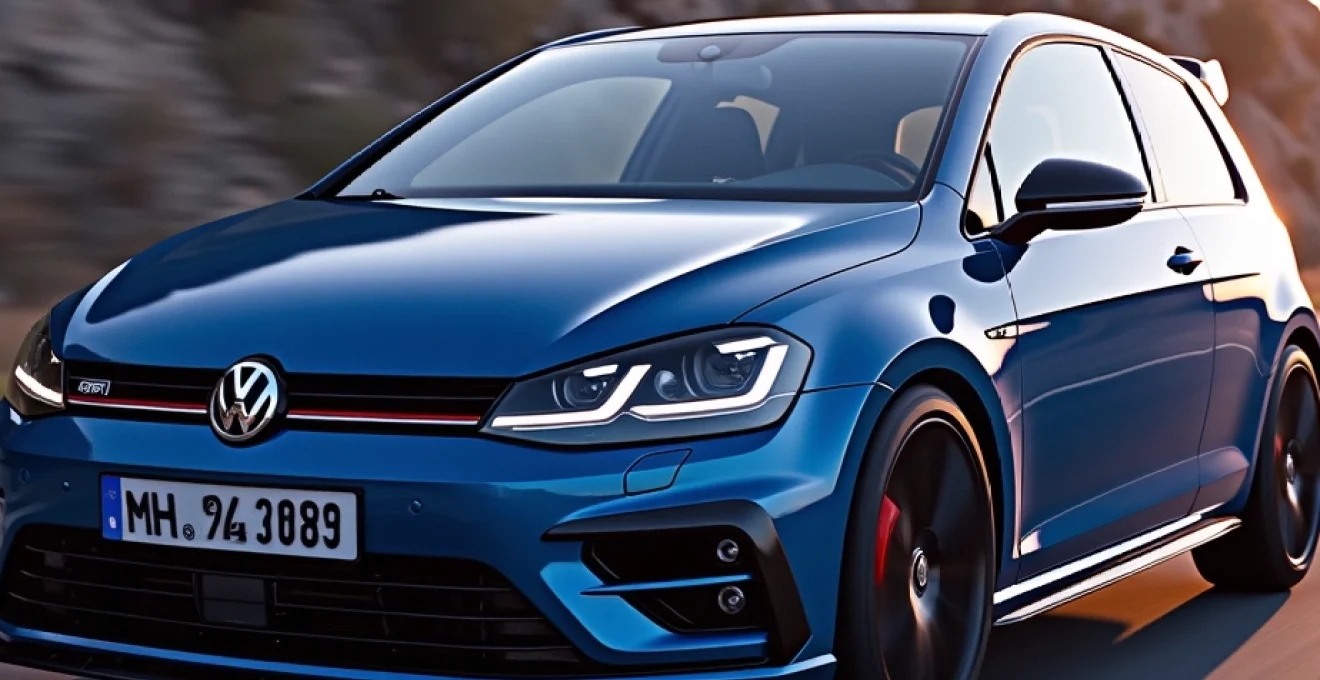
The Volkswagen Golf GTI MK7 stands as one of the most celebrated hot hatches of the 2010s, delivering a perfect balance of practicality and performance that enthusiasts have come to expect from the GTI nameplate. Beneath its understated exterior lies an EA888 turbocharged engine that offers tremendous potential for power enhancement. From the factory’s conservative tune to aggressive aftermarket modifications, the MK7 GTI’s horsepower capabilities span a wide range that caters to both daily drivers and track-focused enthusiasts.
Understanding the horsepower characteristics of the Golf GTI MK7 requires examining not just the factory specifications, but also the various performance packages, regional differences, and the extensive aftermarket support that has developed around this platform. The journey from stock performance to modified potency reveals why this generation of GTI has maintained such strong enthusiast appeal throughout its production run.
Volkswagen golf GTI MK7 engine specifications and factory power output
EA888 gen 3 turbocharged engine architecture analysis
The heart of the MK7 GTI’s performance lies in Volkswagen’s EA888 Gen 3 turbocharged four-cylinder engine, a sophisticated powerplant that represents years of engineering refinement. This 2.0-litre unit features direct injection, variable valve timing on both intake and exhaust camshafts, and an integrated exhaust manifold design that improves thermal efficiency. The engine block utilises a cast-iron construction with aluminium head, providing an optimal balance between durability and weight reduction.
The turbocharger system employs an IHI IS20 unit that delivers boost pressure across a broad rev range, contributing to the engine’s linear power delivery. The integration of the exhaust manifold into the cylinder head allows for faster warm-up times and improved emissions control, whilst the sophisticated cooling system ensures consistent performance under varying operating conditions. This architectural approach demonstrates Volkswagen’s commitment to extracting maximum efficiency from a relatively compact displacement .
Factory horsepower ratings across global markets
The standard MK7 GTI produces 217 horsepower (220 PS) and 258 lb-ft of torque in most markets, though these figures can vary slightly depending on regional specifications and measurement standards. European markets typically receive the same power output, though some variations exist in how manufacturers report these figures. The difference between brake horsepower (bhp) and wheel horsepower measurements can create confusion when comparing specifications across different sources.
North American models maintain the same fundamental power output, though specific tuning adjustments for emissions compliance and fuel quality can result in minor variations in real-world performance. The engine management system adapts to local fuel octane ratings, with higher octane fuels allowing for more aggressive timing advance and consequently better performance. These regional adaptations highlight the engine’s sophisticated ability to optimise performance based on operating conditions .
Torque delivery characteristics and power band analysis
The EA888’s torque delivery proves particularly impressive, with peak torque available from just 1,500 rpm and maintaining that output through to approximately 4,500 rpm. This broad torque plateau creates excellent drivability in real-world conditions, providing strong acceleration from low engine speeds without requiring frequent gear changes. The power curve builds progressively, reaching its 217 horsepower peak at around 4,700 rpm before gradually tapering off towards the 6,500 rpm redline.
This torque characteristic makes the GTI exceptionally flexible in daily driving scenarios, whether navigating city traffic or executing overtaking manoeuvres on motorways. The engine’s ability to produce substantial torque at low rpm reduces the need for aggressive downshifting, contributing to both fuel efficiency and driving refinement. The linear power delivery contrasts sharply with older turbo engines that exhibited pronounced turbo lag .
Compression ratio impact on performance metrics
The EA888 Gen 3 employs a compression ratio of 9.6:1, a relatively conservative figure that allows for reliable operation with varying fuel qualities whilst providing sufficient headroom for boost pressure increases. This compression ratio strikes a careful balance between naturally aspirated efficiency and forced induction capability, enabling the engine to generate substantial power whilst maintaining acceptable knock resistance on standard pump fuel.
The moderate compression ratio also provides significant advantages for aftermarket tuning, as it allows for boost pressure increases without requiring internal engine modifications. This design philosophy has proven crucial to the MK7 GTI’s popularity in the tuning community, where simple software modifications can unlock substantial power gains. The engineering team’s foresight in selecting this compression ratio has undoubtedly contributed to the platform’s tuning potential .
Performance package variations and regional horsepower differences
Standard GTI vs performance package power specifications
The Performance Package GTI retains the same fundamental horsepower output as the standard model, with the 217 horsepower figure remaining constant across both variants. However, the Performance Package includes several enhancements that improve power delivery and handling characteristics, including a mechanical limited-slip differential, upgraded brakes, and revised suspension tuning. These modifications don’t increase peak power but significantly enhance how that power reaches the road.
The mechanical differential proves particularly significant for power application, reducing wheelspin during aggressive acceleration and improving cornering performance when applying power through tight turns. Whilst the horsepower figures remain identical, the Performance Package’s ability to utilise that power more effectively results in measurably improved acceleration times and enhanced driving dynamics. This demonstrates how supporting systems can be as important as raw power figures .
Clubsport edition enhanced output measurements
The Golf GTI Clubsport represents Volkswagen’s most aggressive factory approach to GTI tuning during the MK7 generation, delivering an additional 28 horsepower over the standard model for a total of 265 horsepower. This power increase comes through revised engine management calibration, improved cooling systems, and enhanced intake and exhaust flow characteristics. The Clubsport’s peak torque also increases to 273 lb-ft, providing noticeably improved acceleration performance.
The Clubsport’s power delivery characteristics differ significantly from the standard GTI, with a more aggressive torque curve that prioritises peak performance over everyday drivability. The enhanced cooling package allows for sustained high-power operation during track sessions, whilst the revised calibration takes advantage of the improved thermal management to maintain power output under demanding conditions. This variant showcases the EA888’s potential when freed from the constraints of mainstream market requirements .
TCR limited edition peak performance figures
The Golf GTI TCR pushes the boundaries even further, extracting 286 horsepower from the EA888 platform through comprehensive modifications that include upgraded turbocharger components, enhanced fuelling systems, and aggressive calibration tuning. The TCR’s torque output reaches 273 lb-ft, matching the Clubsport but delivering it through a broader rev range. These modifications represent the practical limit of what Volkswagen considered acceptable for a road-legal production vehicle.
The TCR’s performance envelope extends well beyond simple power increases, incorporating advanced traction control systems, sophisticated differential tuning, and chassis modifications that allow the additional power to be effectively utilised. The result is a vehicle that delivers supercar-level acceleration whilst maintaining the practical characteristics that define the GTI concept. The TCR demonstrates how modern hot hatches can challenge traditional performance car hierarchies .
European vs north american market power variations
Whilst fundamental power outputs remain largely consistent between European and North American markets, subtle differences in calibration exist to accommodate varying emission standards, fuel quality requirements, and climate conditions. European models often benefit from slightly more aggressive timing maps due to higher octane fuel availability, though these differences typically amount to only a few horsepower in practice.
North American models incorporate additional emission control equipment that can marginally affect power output, particularly in California-specification vehicles that must meet CARB requirements. However, these differences are generally imperceptible to drivers, with both markets receiving essentially equivalent performance characteristics. The globalisation of automotive engineering has largely eliminated the significant regional power variations that characterised earlier generations .
ECU tuning potential and aftermarket horsepower gains
APR stage 1 and stage 2 tuning results
APR’s Stage 1 tune transforms the MK7 GTI’s power output dramatically, typically adding 60-80 horsepower and 80-100 lb-ft of torque depending on fuel quality and specific vehicle configuration. These gains come purely through software modifications, demonstrating the conservative nature of Volkswagen’s factory calibration. Stage 1 tunes generally prove reliable for daily driving whilst providing substantially improved performance across the entire rev range.
APR’s Stage 2 calibration requires hardware modifications including a high-flow downpipe and upgraded intercooler, but delivers even more impressive results with power outputs frequently exceeding 320 horsepower and 380 lb-ft of torque. These modifications push the IS20 turbocharger near its operational limits whilst maintaining acceptable reliability for enthusiast use. The substantial gains possible through ECU tuning highlight the untapped potential within Volkswagen’s conservative factory settings .
GIAC flash tuning power increases
GIAC’s approach to MK7 GTI tuning emphasises smooth power delivery and long-term reliability, typically producing slightly more conservative power figures than some competitors whilst maintaining excellent drivability characteristics. Stage 1 GIAC tunes generally add 50-70 horsepower with corresponding torque increases, focusing on optimising the power curve rather than simply maximising peak figures. This philosophy appeals to drivers who prioritise daily usability alongside enhanced performance.
The company’s Stage 2 offerings require similar hardware modifications to other tuners but often demonstrate superior fuel economy and reduced wear on drivetrain components through careful calibration of boost curves and ignition timing. GIAC’s reputation for conservative tuning has made their software popular amongst drivers who depend on their vehicles for daily transportation. This approach demonstrates that maximum power isn’t always the primary objective for every enthusiast .
Unitronic ECU calibration performance data
Unitronic’s tuning philosophy centres on maximising the EA888’s performance potential whilst maintaining factory-like reliability and refinement. Their Stage 1 calibrations typically produce 270-290 horsepower depending on fuel octane and environmental conditions, with torque figures often exceeding 320 lb-ft. The company’s extensive dyno testing and real-world validation ensures consistent results across different vehicle configurations and operating conditions.
Stage 2 Unitronic tunes push power outputs towards 330 horsepower when combined with appropriate supporting modifications, representing near-maximum performance from the factory IS20 turbocharger. The calibration includes sophisticated anti-lag strategies and boost control algorithms that maintain turbo response whilst extracting maximum performance. Unitronic’s technical approach demonstrates the sophisticated engineering required for effective modern ECU tuning .
Custom dyno tuning vs Off-the-Shelf maps
Custom dyno tuning offers the potential for optimised performance tailored to specific vehicle configurations and modifications, though the process requires significantly more time and expense than off-the-shelf calibrations. Professional dyno tuning can extract additional power from heavily modified vehicles by accounting for unique hardware combinations and specific performance objectives. The process typically involves multiple tuning sessions and extensive validation testing.
Off-the-shelf maps provide excellent value and proven reliability for common modification combinations, with most reputable tuners conducting extensive development work to ensure broad compatibility and consistent results. The choice between custom and off-the-shelf tuning often depends on modification level, performance objectives, and budget considerations. For most enthusiasts, quality off-the-shelf tunes provide excellent results without the complexity and expense of custom calibration .
Professional tuning represents the difference between simply increasing power and optimising the entire engine management system for enhanced performance, reliability, and drivability.
Supporting modifications for increased power output
Achieving substantial horsepower gains from the MK7 GTI requires careful attention to supporting modifications that complement ECU tuning. The factory air intake system, whilst adequate for stock power levels, becomes restrictive when power output increases significantly. High-flow air filters and intake systems improve airflow efficiency, though gains from intake modifications alone remain relatively modest without corresponding ECU calibration changes.
Exhaust system modifications provide both performance and auditory benefits, with cat-back systems offering improved flow characteristics whilst maintaining reasonable noise levels for daily driving. Downpipe upgrades prove particularly effective, as the factory catalytic converter creates a significant restriction that becomes more pronounced as boost pressure increases. High-flow catalytic converters or straight-through designs can unlock substantial power gains when combined with appropriate tuning.
Intercooler upgrades become essential for sustained high-power operation, as the factory unit struggles to maintain consistent charge air temperatures under aggressive driving conditions. Heat soak reduces power output and can trigger protective engine management interventions, making upgraded intercoolers crucial for track use or aggressive street driving. The thermal management system proves just as important as airflow modifications for consistent performance .
Fuel system modifications may become necessary for extreme power levels, though the factory system proves adequate for most tuning scenarios up to approximately 350 horsepower. High-pressure fuel pump upgrades and larger fuel injectors enable support for ethanol-based fuels and extreme boost pressures, though such modifications require sophisticated calibration to maintain reliability and drivability.
Drivetrain considerations become increasingly important as power levels rise, with the factory clutch representing a common limitation for manual transmission vehicles. Upgraded clutch systems with higher torque capacity ensure reliable power transmission whilst maintaining acceptable pedal feel for daily driving. The factory limited-slip differential in Performance Package models proves adequate for most power levels, though aftermarket solutions offer improved traction for extreme applications.
Dyno testing results and Real-World horsepower measurements
Professional dyno testing reveals significant variations between advertised power figures and actual wheel horsepower output, with drivetrain losses typically accounting for 15-20% reduction between engine and wheel measurements. A stock MK7 GTI producing 217 horsepower at the crank typically generates 180-190 wheel horsepower depending on transmission type, ambient conditions, and specific dyno calibration. These variations highlight the importance of understanding measurement methodology when comparing power figures.
Stage 1 tuned vehicles consistently demonstrate impressive gains on dyno testing, with wheel horsepower figures frequently exceeding 250-270 horsepower when running premium fuel and optimal conditions. The broad torque curve improvements prove equally impressive, with tuned vehicles maintaining higher torque output across extended rev ranges. These results validate the substantial performance potential hidden within the factory calibration .
Environmental factors significantly influence dyno results, with temperature, humidity, and altitude all affecting power output measurements. Hot weather conditions can reduce power by 10-15% compared to cool conditions, whilst high altitude locations see similar reductions due to reduced air density. Professional dyno facilities employ correction factors to standardise results, though real-world performance inevitably varies with conditions.
Repeatability testing demonstrates the consistency of professional tuning, with quality calibrations producing power curves that remain virtually identical across multiple dyno runs. This consistency indicates proper calibration of fuel delivery, ignition timing, and boost control systems, providing confidence in long-term reliability and performance predictability. Consistent dyno results serve as an indicator of calibration quality and professional competence .
Dyno testing provides invaluable data for understanding power delivery characteristics and validating modification effectiveness, though real-world driving conditions ultimately determine practical performance benefits.
Comparison with competitor hot hatch power figures
The MK7 GTI’s factory power output positions it competitively within the hot hatch segment, though several rivals offer higher peak horsepower figures. The Honda Civic Type R produces 306 horsepower from its naturally aspirated 2.0-litre engine, whilst the Ford Focus RS generates 345 horsepower through its turbocharged 2.3-litre unit. However, these direct comparisons don’t account for differences in power delivery characteristics, weight, and drivetrain configuration.
The GTI’s strength lies in its broad torque curve and refined power delivery rather than peak horsepower figures, with the EA888’s forced induction providing strong low-end performance that naturally aspirated competitors struggle to match. The linear torque delivery creates exceptional real-world drivability that often translates to competitive acceleration times despite lower peak power ratings. Raw horsepower figures don’t always correlate directly with practical performance advantages .
When comparing tuned vehicles, the MK7 GTI’s modification potential becomes particularly evident, with Stage 2 builds easily matching or exceeding the power outputs of higher-performance factory vehicles
. The aftermarket tuning community has transformed the MK7 GTI into a formidable competitor, with Stage 2 builds routinely producing 320-350 horsepower whilst maintaining daily usability that many factory hot hatches struggle to achieve.
The Renault Megane RS Trophy produces 300 horsepower from its 1.8-litre turbocharged engine, positioning it between the stock GTI and tuned variants in terms of raw power output. However, the French hot hatch’s front-wheel-drive configuration and different torque characteristics create distinct driving experiences that appeal to different enthusiast preferences. The GTI’s broader aftermarket support and proven reliability record often tip the scales for buyers considering long-term ownership costs.
Subaru’s WRX STI delivers 310 horsepower through its iconic boxer engine and all-wheel-drive system, though its power delivery characteristics differ substantially from the GTI’s smooth turbocharged approach. The STI’s peaky power band and aggressive tuning create a more raw driving experience, whilst the GTI prioritises refinement and daily usability. These philosophical differences highlight how manufacturers approach performance objectives through varying engineering strategies.
The Audi S3, sharing the same EA888 engine platform as the GTI, produces 288 horsepower in factory form through more aggressive tuning and premium fuel requirements. This relationship demonstrates the GTI’s untapped potential, as the same fundamental engine architecture supports significantly higher power outputs with appropriate calibration and supporting modifications. The S3’s all-wheel-drive system allows for more effective power deployment, though the GTI’s lighter weight partially compensates for the traction disadvantage.
When evaluating price-to-performance ratios, the MK7 GTI’s combination of factory capability and modification potential creates exceptional value propositions. A Stage 1 tuned GTI costing approximately £25,000 total can match the performance of vehicles costing £10,000-15,000 more whilst offering superior practicality and lower running costs. This value equation has contributed significantly to the GTI’s enduring popularity amongst performance-oriented drivers.
The true measure of a hot hatch lies not just in peak power figures, but in the complete package of performance, practicality, and modification potential that appeals to enthusiasts across different budget levels and usage requirements.
Track-focused comparisons reveal additional advantages for the tuned GTI platform, with upgraded examples frequently posting competitive lap times against significantly more expensive machinery. The combination of improved power-to-weight ratios, sophisticated suspension tuning options, and proven drivetrain reliability creates a compelling package for track day enthusiasts. Professional racing series utilising the GTI platform have demonstrated the engine’s ability to produce reliable power outputs exceeding 400 horsepower with appropriate preparation.
The GTI’s modular platform architecture provides additional advantages over some competitors, with extensive parts sharing across the VAG group creating cost efficiencies and broad aftermarket support. Components developed for Audi S3 applications often prove compatible with GTI builds, expanding modification options and reducing costs. This ecosystem approach contrasts favourably with more exclusive platforms that suffer from limited parts availability and higher modification costs.
Future developments in hot hatch performance will likely emphasise hybrid powertrains and electrification, though the MK7 GTI’s pure internal combustion approach offers advantages in simplicity and modification potential. The absence of complex hybrid systems allows for more straightforward tuning approaches and reduced system complexity that appeals to traditional enthusiasts. As the automotive industry transitions towards electrification, the MK7 GTI may represent the pinnacle of accessible turbocharged hot hatch development.