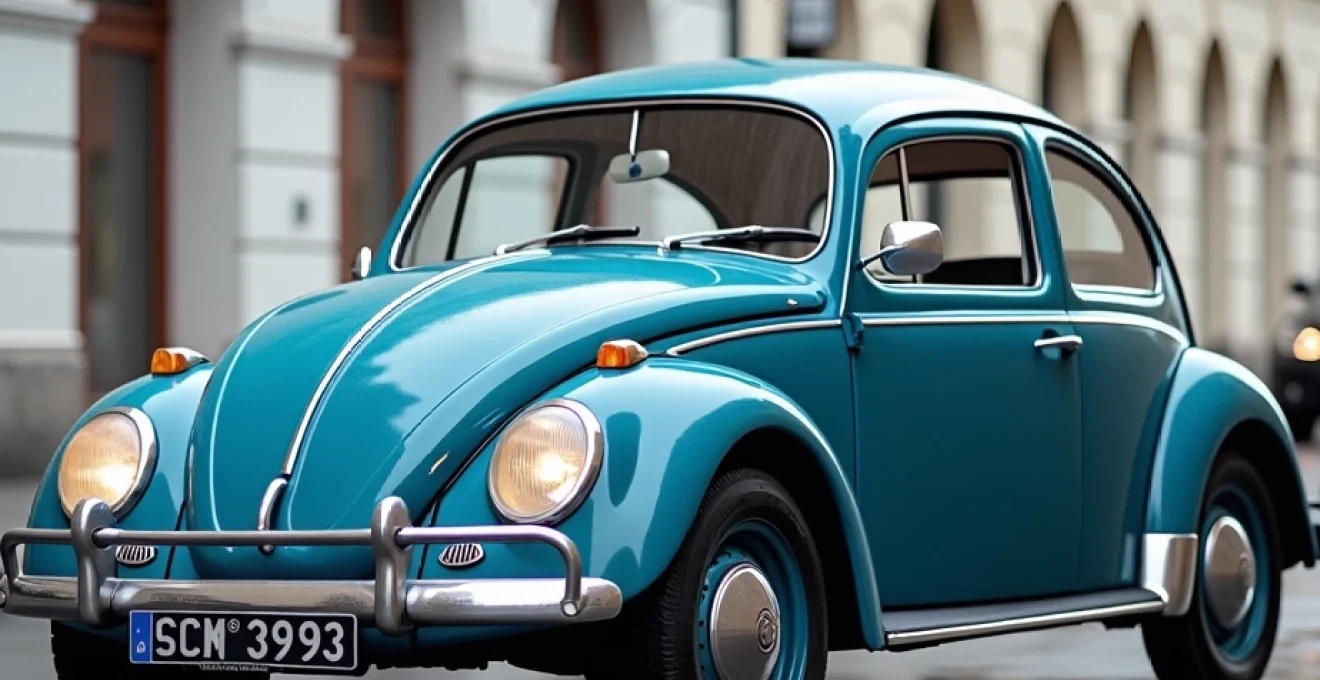
The Volkswagen Super Beetle represents a fascinating chapter in automotive history, marking the final evolutionary step of Ferdinand Porsche’s original Beetle design before the arrival of the Golf. Produced between 1971 and 1979 in Germany, this sophisticated variant attempted to modernise the beloved people’s car whilst maintaining its essential character. With its distinctive bulbous bonnet, extended wheelbase, and advanced MacPherson strut suspension, the Super Beetle challenged traditional notions of what a Beetle should be. Despite mixed reception from purists who considered it a departure from the original’s simplicity, the Super Beetle offered improved handling, increased luggage capacity, and enhanced comfort that made it the most technically advanced air-cooled Volkswagen ever produced for the European market.
Volkswagen super beetle evolution: 1971-1979 model years and platform transitions
The Super Beetle emerged from Volkswagen’s recognition that the standard Beetle’s design limitations were becoming increasingly apparent in the early 1970s. Consumer demands for improved safety, comfort, and performance necessitated significant engineering changes that would transform the car’s fundamental architecture. The development process began in the late 1960s when Volkswagen engineers realised that simply updating the existing platform would not suffice for future regulatory requirements and market expectations.
Production commenced with the 1302 model in August 1970 for the 1971 model year, introducing revolutionary changes to the front-end design. The most immediately visible alteration was the dramatically redesigned bonnet, which featured a more pronounced curve to accommodate the larger luggage compartment beneath. This modification increased front storage capacity from 140 litres in the standard Beetle to an impressive 260 litres, addressing one of the original design’s most criticised shortcomings.
The transition from the 1302 to the 1303 in 1973 brought further refinements, most notably the introduction of the curved windscreen that would become synonymous with the Super Beetle’s distinctive appearance. This panoramic windscreen, manufactured using advanced forming techniques, provided improved visibility whilst contributing to the car’s more modern aesthetic. The 1303 series also featured a completely redesigned dashboard with enhanced safety padding, moving the instrument cluster away from the driver in compliance with emerging safety regulations.
Macpherson strut front suspension implementation in 1302 and 1303 models
The adoption of MacPherson strut front suspension represented the most significant mechanical innovation in the Super Beetle’s development. This system replaced the traditional torsion bar setup that had characterised Beetle suspension since 1938, offering superior handling characteristics and improved ride quality. The MacPherson struts utilised a coil spring and shock absorber assembly mounted within the strut tower, providing more precise wheel control and reduced unsprung weight.
Engineering challenges arose from integrating this advanced suspension system into the existing platform architecture. The front suspension towers required substantial reinforcement and repositioning to accommodate the strut assemblies, necessitating modifications to the body structure that extended well into the passenger compartment. These alterations contributed to the Super Beetle’s distinctive interior layout, with revised pedal positioning and modified floor pan contours.
Wheelbase extension: 1520mm standard beetle vs 1584mm super beetle specifications
The 64mm wheelbase extension from 2400mm to 2500mm fundamentally altered the Super Beetle’s proportions and handling characteristics. This lengthening was achieved primarily through repositioning the front axle line, which necessitated comprehensive redesign of the front body structure. The extended wheelbase provided improved stability at higher speeds and reduced the pitching motion that characterised the standard Beetle’s ride quality.
Weight distribution also benefited from the wheelbase modification, with the longer front overhang helping to balance the rear-mounted engine’s influence. The front-to-rear weight distribution improved from the standard Beetle’s 42:58 ratio to a more balanced 45:55 configuration, enhancing handling predictability and reducing the tendency for lift-off oversteer that could catch inexperienced drivers off-guard.
Curved windscreen integration and aerodynamic coefficient improvements
The 1303’s curved windscreen represented a significant departure from the flat glass that had characterised Beetle design since inception. This panoramic screen, with its 70-degree rake angle compared to the standard Beetle’s 85-degree slope, improved aerodynamic efficiency whilst providing enhanced forward visibility. The drag coefficient improved from 0.48 to 0.44, contributing to marginally better fuel economy and reduced wind noise at cruising speeds.
Manufacturing this curved windscreen required sophisticated forming techniques that pushed contemporary glass-making technology to its limits. The complex curvature demanded precise temperature control during the forming process, with tolerances measured in fractions of millimetres to ensure proper fit within the body aperture. This technological achievement came at considerable cost, contributing to the Super Beetle’s premium pricing compared to the standard model.
Type 1 platform modifications: chassis reinforcement and structural engineering
The Type 1 platform underwent extensive modification to accommodate the Super Beetle’s advanced features whilst maintaining structural integrity. The central tunnel received additional reinforcement to handle the increased stresses generated by the MacPherson strut suspension, with strategic placement of strengthening ribs and cross-braces. These modifications increased the platform’s torsional rigidity by approximately 15% compared to the standard Beetle chassis.
Front-end structural changes were particularly comprehensive, with the traditional beam axle mounting points replaced by substantial strut towers that extended deep into the body structure. These towers required careful integration with the bodywork to maintain crash safety standards whilst providing adequate space for suspension travel. The engineering solution involved a complex arrangement of reinforcing plates and brackets that distributed loads effectively throughout the front structure.
Air-cooled boxer engine specifications: 1600cc type 1 powerplant analysis
The Super Beetle’s 1600cc air-cooled boxer engine represented the pinnacle of Volkswagen’s flat-four development, incorporating decades of refinement and engineering expertise. Designated as the Type 1 engine in its ultimate configuration, this powerplant produced 50 horsepower at 4000 rpm and 81 lb-ft of torque at 2800 rpm, delivering the most potent performance available in a production Beetle. The engine’s bore and stroke dimensions of 85.5mm x 69mm provided an optimal balance between power output and mechanical durability.
Internal engine modifications focused on improving breathing efficiency and combustion characteristics. The cylinder heads featured enlarged intake ports and revised combustion chamber geometry that enhanced volumetric efficiency by approximately 8% compared to earlier designs. Compression ratio increased to 7.5:1, striking a careful balance between performance gains and the requirement to operate reliably on the variable fuel quality available in different markets during the 1970s.
Cooling system refinements addressed the inherent challenges of air-cooled engine operation in increasingly demanding service conditions. The engine tin-work underwent comprehensive redesign to optimise airflow distribution, with particular attention paid to cylinder head cooling in high-temperature environments. These modifications ensured consistent performance across a wider range of operating conditions whilst maintaining the simplicity that made air-cooled engines attractive to operators worldwide.
Dual-port cylinder head configuration and valve train mechanics
The dual-port cylinder head configuration marked a significant advancement in Volkswagen’s air-cooled engine technology, replacing the earlier single-port design that had been used since 1961. Each cylinder now received its own dedicated intake port, eliminating the shared intake runners that had created uneven fuel distribution between cylinders. This modification improved combustion uniformity and allowed for more precise tuning of the air-fuel mixture across all four cylinders.
Valve train improvements included larger intake valves measuring 35.5mm diameter compared to the 32mm units used in single-port engines. The exhaust valves retained their 32mm diameter but featured improved metallurgy and heat treatment to withstand the increased thermal loads generated by enhanced performance. Valve guides received upgraded materials and improved oil sealing to extend service intervals and reduce maintenance requirements.
Solex 34 PICT-3 carburettor tuning and fuel delivery systems
The Solex 34 PICT-3 carburettor provided fuel delivery for most Super Beetle applications, featuring a progressive two-stage design that offered improved drivability compared to earlier single-stage units. The primary venturi measured 24mm diameter whilst the secondary opened progressively under increased throttle demand, providing smooth power delivery across the engine’s operating range. Accelerator pump operation was calibrated to provide adequate fuel enrichment during rapid throttle transitions without creating excessive emissions.
Fuel metering circuits incorporated multiple adjustment points to accommodate varying operating conditions and emission control requirements. The main jet typically measured 127.5 for standard applications, whilst the idle jet used a 55 specification to ensure stable idling characteristics. Air correction jets featured calibrated orifices that maintained proper air-fuel ratios across different altitudes and atmospheric conditions, ensuring consistent performance regardless of geographical location.
Bosch 009 centrifugal advance distributor operation and ignition timing
The Bosch 009 centrifugal advance distributor became standard equipment on later Super Beetle engines, providing simplified ignition timing control compared to earlier vacuum advance systems. This distributor used weighted advance mechanisms that responded purely to engine speed, eliminating the vacuum diaphragm that had proved problematic in emission-controlled applications. The centrifugal advance curve was calibrated to provide optimal timing advancement from idle through maximum engine speed.
Initial timing settings varied depending on engine specification and emission control requirements, typically ranging from 7.5 to 10 degrees before top dead centre at idle speed. Maximum advance reached 32 degrees at 3000 rpm, providing the aggressive timing required for optimal power output at higher engine speeds. Point gap maintenance remained critical for proper ignition performance, with specifications calling for 0.016-inch gap and regular replacement every 6000 miles.
Cooling fan shroud design: doghouse vs standard configurations
Cooling fan shroud design played a crucial role in maintaining optimal engine temperatures, with the “doghouse” configuration becoming synonymous with high-performance air-cooled Volkswagen engines. This design featured an enlarged cooling fan housing that accommodated a more efficient impeller design, increasing airflow capacity by approximately 20% compared to standard configurations. The doghouse shroud’s distinctive shape earned its nickname from the characteristic bulge that housed the larger cooling fan assembly.
Airflow distribution received careful attention in the shroud design, with strategically positioned deflectors directing cooling air to critical engine components. Cylinder head cooling received priority, with dedicated air channels ensuring adequate temperature control under high-load conditions. The oil cooler integration was optimised to provide maximum heat rejection whilst minimising pressure losses in the cooling airflow path.
Super beetle body variants: saloon, cabriolet, and limited edition models
The Super Beetle’s body variant range encompassed traditional saloon configurations alongside the prestigious Karmann Cabriolet models that represented the pinnacle of open-top Beetle motoring. Production numbers varied significantly between body styles, with saloons dominating overall output whilst cabriolets commanded premium pricing and exclusive appeal. Special edition models periodically appeared throughout the production run, often commemorating significant events or targeting specific market segments with unique colour schemes and equipment specifications.
Design differentiation between variants extended beyond simple roof configurations, with cabriolet models receiving structural reinforcements to compensate for reduced body rigidity. These modifications included strengthened sill sections, reinforced door frames, and additional cross-bracing beneath the rear seat area. The convertible mechanism itself represented sophisticated engineering, with a multi-layer fabric hood that provided excellent weather sealing whilst maintaining the elegant profile that characterised Karmann’s coachwork expertise.
Market reception varied considerably between different regions, with cabriolet models achieving particular success in warmer climates where open-top motoring could be enjoyed year-round. European buyers often preferred saloon variants for their practicality and weather protection, whilst American consumers gravitated towards cabriolets as lifestyle statements that embodied the freedom and individualism associated with Beetle ownership during the counterculture movement of the 1970s.
Karmann cabriolet production: osnabrück factory manufacturing process
The Karmann factory in Osnabrück represented the epicentre of convertible Beetle production, where skilled craftsmen transformed standard Super Beetle saloon bodies into elegant open-top variants. The conversion process required extensive structural modifications, beginning with precise cutting of the roof section and installation of reinforcing framework to maintain body rigidity. Each cabriolet body underwent individual inspection and hand-finishing to ensure the quality standards that made Karmann synonymous with premium coachwork.
Hood installation demanded particular expertise, with the complex folding mechanism requiring precise adjustment to ensure proper operation and weather sealing. The multi-bow framework used spring-loaded articulation points that allowed the hood to fold neatly behind the rear seats whilst maintaining sufficient tension for weather protection when erected. Karmann’s craftsmen spent considerable time perfecting the hood adjustment process, with each car receiving individual attention to achieve optimal fit and operation.
World cup edition 1974: rally yellow and marathon metallic paint options
The 1974 World Cup Edition commemorated Germany’s hosting of the FIFA World Cup, featuring distinctive paint schemes that captured the sporting excitement surrounding the tournament. Rally Yellow became the signature colour, complemented by contrasting black sports stripes that emphasised the car’s sporty character. Marathon Metallic offered a more sophisticated alternative, featuring a pearl-effect finish that demonstrated Volkswagen’s advancing paint technology capabilities.
Interior appointments received special attention in World Cup Edition models, with sport seats featuring distinctive upholstery patterns and commemorative badging that identified these limited production vehicles. Production numbers remained relatively modest, with approximately 2,500 units manufactured across both paint options, making these models particularly sought-after among collectors who appreciate their historical significance and distinctive appearance.
Jeans bug limited edition: denim upholstery and blue metallic livery
The Jeans Bug represented Volkswagen’s attempt to capture the youth market with a distinctive limited edition that embraced the casual fashion trends of the mid-1970s. Genuine denim upholstery extended throughout the interior, from seat facings to door panel inserts, creating an unprecedented automotive application of this textile material. The blue metallic exterior paint perfectly complemented the denim interior, establishing a cohesive design theme that resonated with contemporary fashion sensibilities.
Production challenges arose from the unconventional upholstery material, which required special treatments to ensure durability in automotive applications. The denim underwent extensive testing to verify resistance to fading, wear, and moisture damage, with protective coatings applied to enhance longevity whilst maintaining the authentic textile appearance. Approximately 3,000 Jeans Bug models were produced, making them among the rarest Super Beetle variants in existence today.
Restoration protocols: authentic parts sourcing and Period-Correct modifications
Super Beetle restoration presents unique challenges due to the model’s limited production run and the complexity of its advanced engineering compared to standard Beetles. Authentic parts sourcing requires extensive knowledge of production variations, as components frequently changed throughout the model’s brief manufacturing period. Many restoration specialists recommend focusing on major mechanical systems first, ensuring proper operation of the MacPherson strut suspension and dual-port engine systems before addressing cosmetic concerns.
Body restoration demands particular expertise, as Super Beetle panels differ significantly from standard Beetle components and cannot be interchanged. The curved windscreen represents a particularly challenging component to source, with original glass commanding premium prices due to manufacturing complexity and limited availability. Reproduction windscreens exist but often lack the optical quality of original equipment, making careful evaluation essential for concours-level restorations.
Interior restoration benefits from the availability of high-quality reproduction materials, though period-correct details require careful attention to maintain authenticity. Dashboard configurations varied between 1302 and 1303 models, with the later panoramic windscreen necessitating completely different interior proportions. Upholstery patterns and colours must match original specifications precisely, as subtle variations can significantly impact the restoration’s overall authenticity and value.
The key to successful Super Beetle restoration lies in understanding that these cars represent the culmination of air-cooled Volkswagen engineering, requiring respect for their sophisticated design whilst maintaining the simplicity that made Beetles universally beloved.
Period-correct modifications should enhance the car’s inherent characteristics rather than transforming its fundamental nature. Suspension upgrades can improve handling without compromising the car’s essential character, whilst engine modifications should focus on reliability improvements rather than dramatic power increases. Many enthusiasts prefer subtle enhancements that maintain the car’s original appearance whilst providing improved performance and durability for contemporary driving conditions.
Documentation becomes crucial for restoration projects, as Super Beetle production records help verify original specifications and equipment. Volkswagen’s detailed production databases allow restorers to confirm paint colours, interior combinations, and mechanical specifications for specific chassis numbers. This information proves invaluable when sourcing correct components and ensuring restoration authenticity that will satisfy both
discerning collectors and judges at concours events.
Market valuation trends: concours condition vs daily driver classification systems
Super Beetle market valuations follow distinct patterns that differ significantly from standard Beetle pricing structures, reflecting both the model’s technical sophistication and its controversial status among purists. Concours condition examples command premium prices due to their rarity and the extensive knowledge required for proper restoration, with 1303S models achieving values between £18,000-£25,000 depending on originality and documentation. The curved windscreen models consistently outperform their 1302 predecessors, despite being less popular when new, largely due to their distinctive appearance and improved driving dynamics.
Daily driver classification reveals the Super Beetle’s practical advantages, with well-maintained examples offering superior roadworthiness compared to earlier models. The MacPherson strut suspension provides better handling characteristics for modern traffic conditions, whilst the larger luggage compartment addresses one of the standard Beetle’s most significant practical limitations. Market trends indicate growing appreciation for these qualities, with solid daily drivers typically valued between £8,000-£14,000 depending on mechanical condition and originality.
Regional variations significantly impact valuations, with European markets showing stronger preference for original specification vehicles whilst American collectors often accept tasteful modifications more readily. The limited production numbers work in the Super Beetle’s favour, as approximately 1.2 million units were manufactured compared to over 15 million standard Beetles. This scarcity factor becomes increasingly important as the collector car market matures and enthusiasts seek distinctive alternatives to ubiquitous standard models.
Cabriolet variants command substantial premiums across all condition categories, with concours examples reaching £35,000-£45,000 for exceptional 1303S models. The Karmann coachwork quality and limited production numbers contribute to these elevated values, particularly for cars with documented provenance and matching numbers throughout. Even project-grade cabriolets maintain strong values due to the high restoration costs and the desirability of the final product.
Investment potential appears strongest for well-documented examples with original mechanical specifications, as the collector market increasingly values authenticity over modification, regardless of the quality of non-original components.
Super beetle vs standard beetle: handling dynamics and performance comparisons
The handling dynamics between Super Beetles and their standard counterparts reveal fundamental differences that extend well beyond simple mechanical upgrades. The MacPherson strut front suspension transforms the driving experience by providing precise wheel control and eliminating the traditional Beetle’s tendency for front-end wander on uneven surfaces. Steering response becomes more immediate and predictable, whilst the improved caster angles enhance straight-line stability at higher speeds. The trade-off comes in the form of increased complexity and higher maintenance requirements compared to the bulletproof simplicity of torsion bar suspension.
Weight distribution improvements significantly enhance the Super Beetle’s dynamic behaviour, with the extended wheelbase and repositioned front axle creating a more balanced platform. The reduced rear weight bias minimises the lift-off oversteer characteristics that could catch inexperienced drivers unaware in standard models, whilst improved weight transfer under braking provides more consistent stopping performance. However, the increased overall weight impacts acceleration, with Super Beetles typically requiring an additional second to reach 60mph compared to lighter standard models equipped with similar engines.
Ride quality represents perhaps the most noticeable improvement, with the MacPherson struts providing superior absorption of road irregularities whilst maintaining better wheel contact with the surface. The longer wheelbase reduces pitching motions over undulating roads, creating a more comfortable experience for passengers during extended journeys. Modern drivers particularly appreciate these refinements, as they make Super Beetles more suitable for contemporary traffic conditions and highway speeds.
Performance comparisons reveal the Super Beetle’s sophisticated approach to power delivery, with the dual-port 1600cc engine providing smoother acceleration despite the weight penalty. The improved breathing efficiency translates to better mid-range torque delivery, making overtaking manoeuvres more confident and reducing the need for frequent gear changes in traffic. Maximum speed increases marginally to approximately 78mph for 1303S models, whilst fuel economy typically averages 28-32mpg under mixed driving conditions.
Braking performance benefits from the improved weight distribution and more sophisticated suspension geometry, with disc front brakes becoming standard on later models. The enhanced pedal feel and reduced fade characteristics provide greater confidence during spirited driving, whilst the improved suspension prevents brake dive that characterised earlier models under heavy braking. These improvements make Super Beetles significantly more capable in demanding driving situations whilst maintaining the essential Beetle character that defines the ownership experience.
The ultimate question for potential buyers centres on personal priorities: do you value the pure, unadulterated experience of Ferdinand Porsche’s original concept, or do you prefer the refined sophistication that represents air-cooled Volkswagen engineering at its absolute pinnacle? Both approaches offer valid pathways to Beetle ownership, but understanding these fundamental differences ensures informed decision-making that aligns with individual expectations and intended usage patterns.